PRP Treatment for Hair Loss: Does It Actually Work?
PRP injects your own platelet-rich plasma into the scalp to stimulate follicles. Here's what the evidence says, what it costs in the UK, and how it compares to finasteride and minoxidil.
Written by:

Medically reviewed by Callum Armstrong, MPharm, Independent Prescriber (IP)
Key Takeaways
PRP uses growth factors from your own blood to stimulate hair follicles. Evidence supports it for early to moderate pattern hair loss, but it costs £900 to £1,800 for an initial course, is not available on the NHS, and requires maintenance sessions to sustain results.
PRP (platelet-rich plasma) treatment for hair loss is a procedure where a small amount of your own blood is processed to concentrate the platelets, then injected into your scalp. The idea is that growth factors in those platelets may stimulate weakened follicles and slow hair loss. The evidence is promising but not definitive, and it is not available on the NHS.
How PRP works#
A clinician draws blood from your arm, places it in a centrifuge, and spins it to separate the components. This produces a plasma fraction rich in platelets. Those platelets contain growth factors including platelet-derived growth factor (PDGF) and vascular endothelial growth factor (VEGF). When injected into the scalp at follicle level, these growth factors are thought to push dormant follicles back into an active growth phase, improve local blood supply, and reduce the inflammation that contributes to follicle shrinkage.
The precise mechanism is not fully established and probably varies between individuals. Because PRP comes from your own blood, the risk of allergic reaction is low.
One technical point worth knowing: the centrifuge method matters. A 2024 systematic review found that double-spin protocols, which produce higher platelet concentrations, tended to outperform single-spin methods in hair density outcomes. Not all clinics use the same equipment or achieve the same platelet concentration, which is a meaningful driver of outcome variation.
What the clinical trials show#
Multiple systematic reviews and meta-analyses have assessed PRP for androgenetic alopecia (male pattern hair loss). The consistent finding is that PRP significantly increases hair density and thickness compared with placebo or no treatment. A 2023 meta-analysis in a peer-reviewed dermatology journal found meaningful improvements in hair count per square centimetre after a standard course.
However, trial quality varies. Studies use different PRP preparation methods, different injection frequencies, and different outcome measures, making direct comparison difficult. There is currently no active NICE appraisal programme for PRP in alopecia, meaning it has not been formally assessed against NHS standards of evidence. That does not mean it does not work, but it does explain why the NHS does not fund it.
PRP versus finasteride and minoxidil#
For most men, licensed medicines remain the first-line option.
| Treatment | Evidence grade | How it works | Typical response |
|---|---|---|---|
| Finasteride 1mg | Strong (RCT data) | Reduces DHT, the hormone that shrinks follicles | Slows loss in about 9 in 10 men; regrowth in many |
| Minoxidil (topical) | Strong (RCT data) | Prolongs growth phase, widens blood vessels | Improves density in 6 in 10 men |
| PRP | Moderate (meta-analysis) | Growth factors stimulate follicle activity | Increases hair count; effect size varies by protocol |
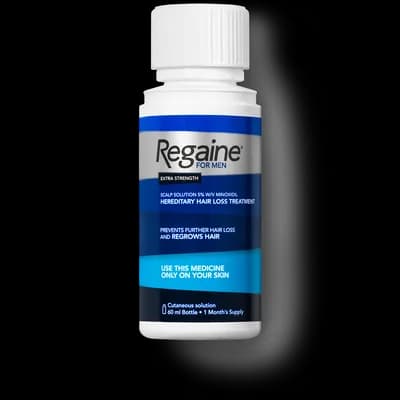
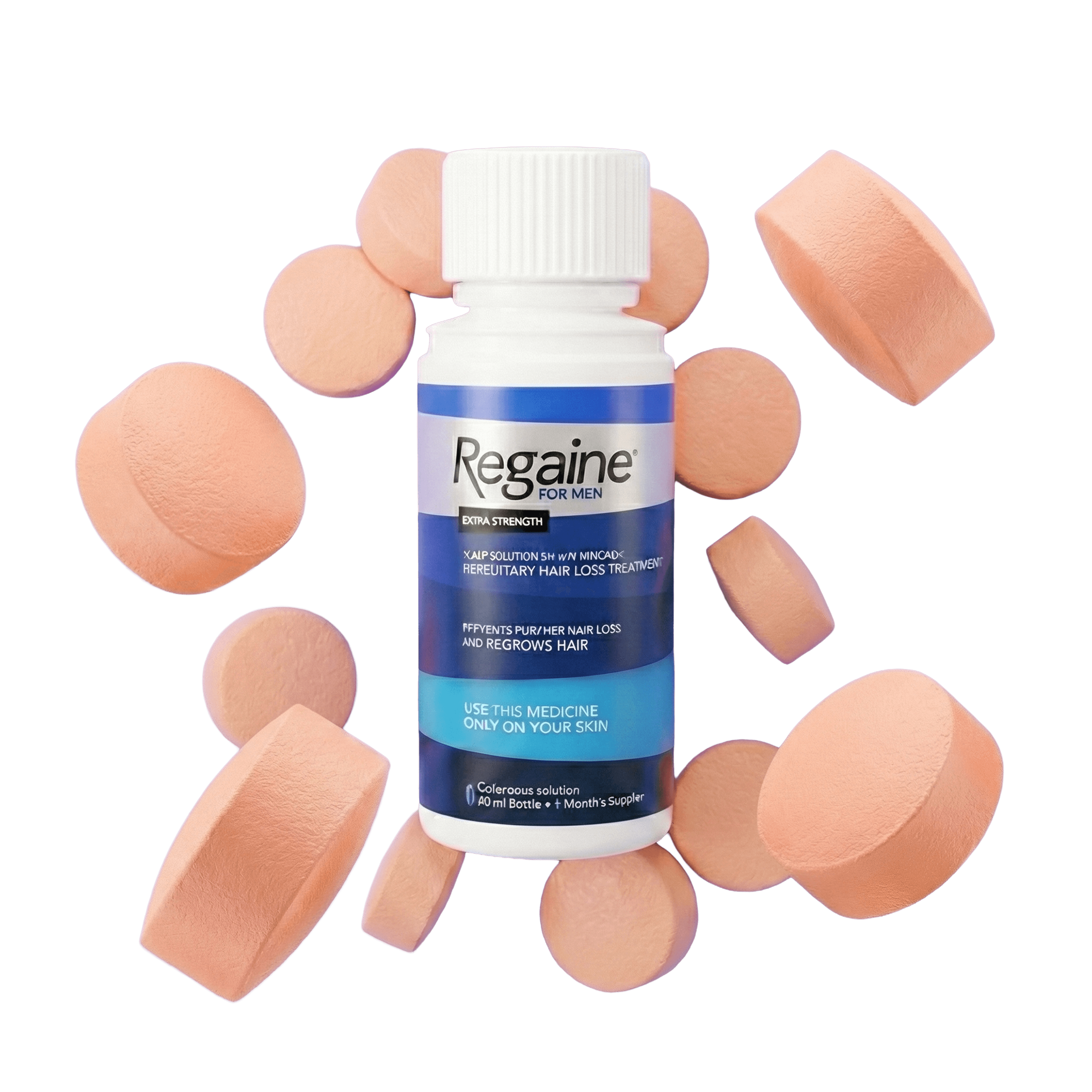
Finasteride is available from around £14.99 for 28 tablets at Totiva. Topical minoxidil (Regaine) starts at around £33.60 for 60ml at Totiva. PRP, by contrast, costs roughly £300 to £600 per session in the UK, and an initial course typically requires three sessions spaced four to six weeks apart, putting the entry cost at £900 to £1,800. Maintenance sessions every three to six months add to that over time.
PRP and licensed medicines are not mutually exclusive. Some evidence suggests that combining PRP with topical minoxidil or microneedling produces better results than either treatment alone, though this combination evidence base is still developing.
If you are a man looking to explore finasteride or minoxidil, Totiva's hair loss service offers a free online consultation with approval by a UK-registered clinician before any payment is taken. Totiva's hair loss service is currently available for men only.
Who is a good candidate#
PRP tends to work best in people with early to moderate hair loss. Suitable candidates generally have:
- Androgenetic alopecia at a mild to moderate stage (Norwood grades 1 to 4 in men)
- Active follicles that are thinning but not completely lost
- No active scalp infection or inflammatory skin condition
- Normal platelet function and no clotting disorder
PRP is less likely to help in advanced hair loss where follicles are no longer present. People who take blood-thinning medicines such as warfarin, apixaban, or rivaroxaban should speak to their prescriber before pursuing PRP, as these medicines affect coagulation pathways and can increase bleeding risk during and after the procedure.
The maintenance question#
Results are not permanent. Most people see improvement after an initial course of three sessions. That improvement may last six to twelve months before a maintenance session is needed. If you stop PRP entirely, the underlying hair loss process continues. This is the same principle as finasteride and minoxidil: treatment keeps working while you continue it.
If PRP stops producing results after repeated courses, the likely explanation is that follicles in that area are no longer viable. At that point, a hair transplant consultation would be the logical next step.
Got questions? Speak to a pharmacist on WhatsApp now
Prefer to browse first? View treatments
Choosing a clinic safely in the UK#
PRP is not licensed by the MHRA as a medicine. When prepared and administered in the same session using a patient's own blood, it is generally treated as a medical procedure rather than a regulated medicinal product, though the regulatory position can vary depending on how it is processed and used. There is no mandatory qualification required to administer PRP injections in the UK, which means patient protection depends heavily on where you go.
Under the Health and Care Act 2022, an incoming licensing scheme for non-surgical cosmetic procedures is being introduced in England. Until that is fully in force, verification falls to the patient.
Before booking, confirm that the clinic:
- Is registered with the Care Quality Commission (CQC) in England
- Has a named medical or nursing lead you can check on the GMC or NMC register
- Can tell you the platelet concentration their system achieves and which PRP kit they use
- Conducts a clinical assessment before treatment, not just a sales consultation
Any clinic that cannot answer those questions clearly is worth avoiding.
How long before you see results#
Most people notice reduced shedding within four to six weeks of the first session. Visible improvement in density usually takes two to three months. Full results from an initial three-session course are typically assessed at six months. Photography at baseline is useful for comparison, since hair loss changes are easy to underestimate or overestimate by eye alone.
For a broader look at how PRP compares with established options, the Totiva guide on finasteride vs minoxidil covers the licensed treatment evidence in detail.
Medical Information: This article is for informational purposes only and does not constitute medical advice. Always consult a qualified healthcare professional before starting, stopping, or changing any treatment.