Does Microneedling Work for Hair Loss?
Microneedling shows real promise for hair loss, especially with minoxidil. Here's what the evidence says, who it suits, and how to access it safely in the UK.
Written and medically reviewed by:

Key Takeaways
Microneedling shows real promise for androgenetic alopecia, especially combined with minoxidil. It is not an NHS treatment and works best alongside proven medications like finasteride or minoxidil rather than alone.
Microneedling does appear to work for hair loss, particularly androgenetic alopecia (male pattern baldness), and the evidence is more solid than you might expect. It is not a miracle cure, and it works best alongside proven treatments rather than on its own. But if you are looking at options beyond finasteride and minoxidil, it is worth understanding what the research actually shows.
What Is Microneedling and How Is It Used for the Scalp?#
Microneedling (sometimes called collagen induction therapy or percutaneous collagen induction) uses a device covered in fine needles to create tiny, controlled punctures in the skin. Originally developed for facial rejuvenation and scar treatment, it has been adapted for scalp use as a potential way to stimulate sluggish or dormant hair follicles.
The idea behind it is straightforward enough. When the needles create micro-injuries in the scalp, the body triggers a wound-healing response. This releases growth factors, including platelet-derived growth factor (PDGF) and vascular endothelial growth factor (VEGF), which are thought to promote follicle activity. The process may encourage hair follicles sitting in the resting (telogen) phase to transition back into the active growth (anagen) phase.
There are two main types of devices used:
- Dermarollers - handheld, roller-shaped tools with a drum of fine needles. Available for home use, though quality varies considerably.
- Dermapens - motorised, pen-shaped devices that allow more precise needle depth control. Typically used by trained practitioners in clinic.
Needle depths used in clinical studies generally range from 0.5 mm to 1.5 mm, with sessions spaced weekly to every four weeks. Getting the depth and frequency right matters, which is one reason professional treatment tends to produce better outcomes than DIY approaches at home.
What the Evidence Actually Shows#
The evidence base is genuinely promising, though it is not yet at the level where dermatologists would call microneedling a first-line treatment.
A frequently cited pilot study by Dhurat and colleagues found that men with androgenetic alopecia who received microneedling alongside minoxidil had significantly greater hair count improvements than those using minoxidil alone. After 12 weeks, the microneedling group showed a mean increase of 91.4 hairs per square centimetre, compared with 22.2 in the minoxidil-only group. The sample was small (just 100 participants), but the signal was strong enough to spark a wave of follow-up research.
A 2024 systematic review and meta-analysis published in the Journal of the American Academy of Dermatology pooled data from randomised controlled trials on microneedling for hair loss and concluded that microneedling, particularly when combined with topical treatments, produced statistically significant improvements in hair density and thickness compared to controls. The reviewers were careful to note that most trials were small and short-term, and that longer, larger studies are still needed before firm clinical recommendations can be made.
For alopecia areata (where hair loss is driven by an autoimmune process rather than hormones), the evidence is thinner. Some smaller studies report benefit, but it is far less consistent than the androgenetic alopecia data.
Combining Microneedling with Other Treatments#
The strongest case for microneedling is as an add-on to an existing regimen, not a standalone treatment. The Dhurat study is the clearest example of this, but the logic makes physiological sense too. Microneedling may enhance the absorption of topical treatments by temporarily increasing skin permeability, meaning more minoxidil actually reaches the follicle.
Some practitioners combine microneedling with:
- Minoxidil (topical) - the most common pairing, with the best evidence
- Platelet-rich plasma (PRP) - plasma drawn from the patient's own blood and applied to the scalp after needling
- Ketoconazole shampoos (such as Nizoral) - used separately as a supportive measure, given ketoconazole's possible mild DHT-blocking properties
For men already using finasteride or minoxidil through a service like Totiva's hair loss treatment, microneedling could theoretically complement that regimen, though you would want to discuss it with a clinician before adding it in.
Who Is a Good Candidate?#
Microneedling for hair loss is most likely to be appropriate for:
- Men with early to moderate androgenetic alopecia who want to try an additional approach alongside medical treatment
- People who have not responded as well as hoped to minoxidil alone
- Those looking for a procedure-based option short of a hair transplant
It is less likely to help, or may not be suitable, for people with:
- Active scalp infections, psoriasis, or severe seborrheic dermatitis
- A history of keloid scarring
- Blood clotting disorders or those taking anticoagulants
- Active acne or open wounds on the scalp
- Certain skin conditions affecting the treatment area
People with darker skin tones should be aware that microneedling carries a small risk of post-inflammatory hyperpigmentation, though the risk on the scalp is generally considered lower than on facial skin. Choosing an experienced practitioner who understands skin of colour is sensible.
Risks and Side Effects#
When performed correctly by a trained professional, microneedling is generally well-tolerated. The most common side effects are temporary redness, mild swelling, and scalp sensitivity in the 24 to 48 hours after treatment.
More serious risks are rare but real, particularly with at-home devices:
- Infection - any break in the skin creates a potential entry point for bacteria or viruses
- Scarring - using needles that are too long or applying too much pressure
- Inconsistent results - at-home dermarollers are harder to use at the correct angle and depth
The MHRA issued a medical device alert in 2019 regarding the Dermapen 3, specifically highlighting risks of injury and infection. This is a reminder that device quality matters and that not all microneedling tools are equal.
At-home dermarollers are not classified as medical devices in the UK in the same way as clinic-grade equipment. The MHRA's guidance on medical device classification is useful reading if you are considering purchasing one, but the honest advice is that clinic treatment from a qualified practitioner substantially reduces risk.
Got questions? Speak to a pharmacist on WhatsApp now
Prefer to browse first? View treatments
How to Access Microneedling for Hair Loss in the UK#
Microneedling for hair loss is not available on the NHS. It is considered a cosmetic or aesthetic procedure and must be accessed privately.
In England, a new licensing regime for non-surgical cosmetic procedures is being introduced, which will require practitioners offering treatments like microneedling to hold a licence from their local authority. This is a positive development for patient safety, though implementation is still ongoing. When choosing a provider, look for:
- A practitioner with specific training in scalp microneedling
- A clinic that uses single-use, sterile needle cartridges (not reusable rollers)
- CQC registration if the provider also offers medical treatments alongside the procedure
- Clear information about aftercare and what to do if you experience side effects
Typical costs in the UK range from around £100 to £300 per session, with most protocols requiring multiple sessions over several months. That adds up, which is why many men find it worth starting with the more cost-effective evidence-based options first.
The Treatments That Have the Strongest Evidence#
To put microneedling in context, it is worth knowing where it sits relative to the options with the longest track records.
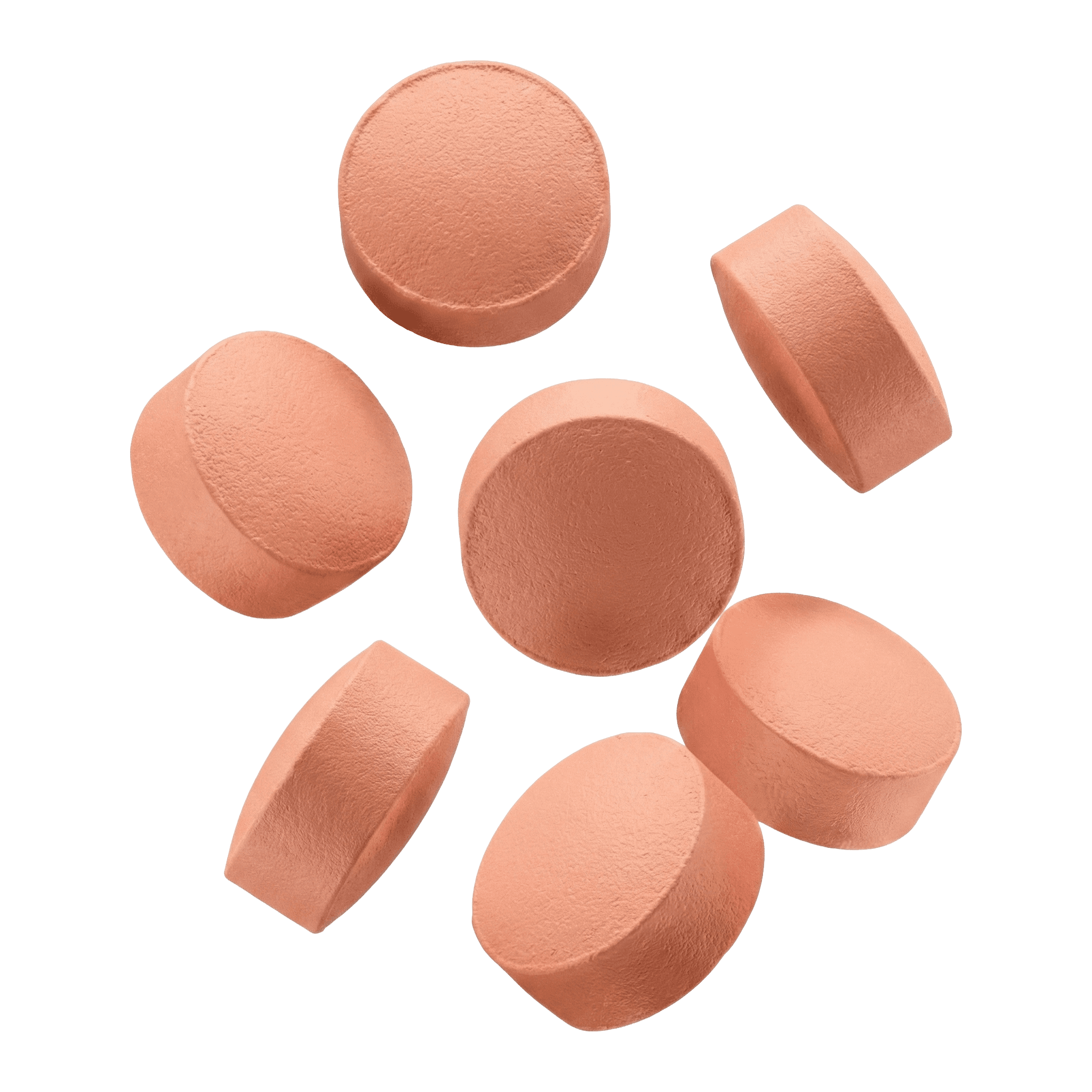
Finasteride is an oral prescription tablet taken once daily. It works by reducing dihydrotestosterone (DHT), the hormone primarily responsible for follicle miniaturisation in androgenetic alopecia. Clinical trials show it halts hair loss in the vast majority of men who take it, and a meaningful proportion see some regrowth. At Totiva, finasteride is available from £14.99 for 28 tablets after a free online consultation.
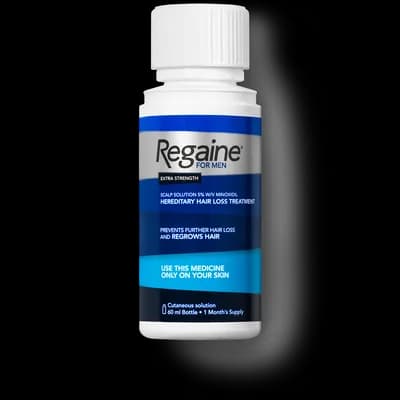
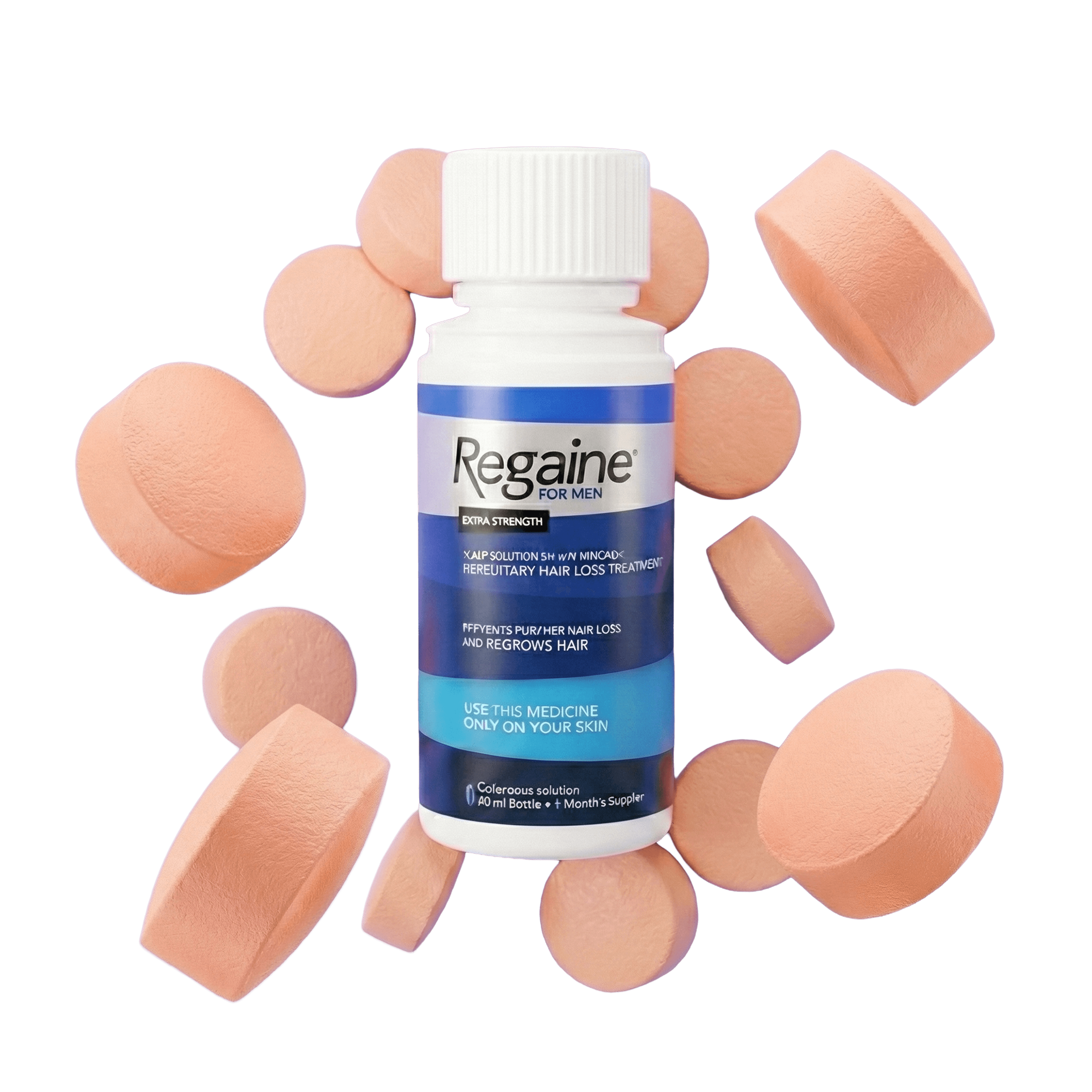
Minoxidil (available as Regaine liquid solution) is applied directly to the scalp and works by prolonging the anagen phase and increasing blood flow to follicles. It tends to work best for early hair loss or mild to moderate thinning. Regaine liquid solution is available at Totiva from £33.60 for 60ml.
Many men benefit from using both together. A combined finasteride and minoxidil approach addresses hair loss through two complementary mechanisms, which is why it is often recommended for men with more advanced thinning.
If you are unsure which treatment fits your situation, Totiva's pharmacist-led consultation is a practical starting point. It is free to complete, and you only pay if a treatment is approved and prescribed for you.
A Note on Hair Loss Caused by GLP-1 Medications#
If you have recently started a GLP-1 medication such as Wegovy or Mounjaro and noticed increased shedding, microneedling is probably not the right first step. What you are likely experiencing is telogen effluvium, a form of temporary hair loss triggered by the physiological stress of rapid weight change.
Telogen effluvium occurs when hair follicles prematurely shift from the growth phase into the shedding phase. It typically begins two to three months after the triggering event. The reassuring thing about telogen effluvium is that it usually reverses on its own once the body stabilises, provided nutritional intake is adequate. Ensuring you are eating enough protein and micronutrients while on a GLP-1 medication is important, and worth discussing with your prescribing clinician.
This kind of hair loss is different from androgenetic alopecia and responds differently to treatment. Microneedling, finasteride, and minoxidil are not primarily indicated for telogen effluvium.
Realistic Expectations#
Microneedling is not a quick fix. Even in the most positive clinical trials, meaningful hair count improvements took 12 weeks or more to materialise. Most clinical protocols involve six to ten sessions over several months.
For the best chance of results:
- Use microneedling as part of a broader treatment plan, not in isolation
- Continue any medical treatment you are already on (stopping minoxidil or finasteride mid-course can accelerate shedding)
- Be consistent. Sporadic sessions are unlikely to produce the outcomes seen in trials
- Have realistic goals. Microneedling can improve hair density, but it is unlikely to fully reverse significant hair loss on its own
If you are in the early stages of hair loss, starting with established medical treatments and adding microneedling later is a sensible approach. If you want to explore what is clinically appropriate for your situation, starting with a free consultation at Totiva is a low-effort way to get pharmacist-level guidance without a GP appointment.
Medical Information: This article is for informational purposes only and does not constitute medical advice. Always consult a qualified healthcare professional before starting, stopping, or changing any treatment.