How Long Does Finasteride Take to Work?
Most men start seeing results from finasteride between 3 and 6 months. Here's what to expect month by month, and when to know it's working.
Written by:

Medically reviewed by Chris Armstrong, MPharm
Key Takeaways
Finasteride typically starts showing visible results between 3 and 6 months, with peak results around 12 months. It needs to be taken daily long-term to maintain those results. The earlier you start, the more hair you can protect.
Most men start noticing visible changes from finasteride somewhere between 3 and 6 months. Full results take longer, usually around a year. If you've just started, or you're thinking about starting, here's a realistic picture of the timeline, what the research actually shows, and what to do if things aren't progressing as expected.
The Finasteride Timeline#
Finasteride begins working almost immediately at a biochemical level. Within 24 hours of your first dose, DHT (dihydrotestosterone) levels in the scalp drop significantly. Studies have measured reductions of around 65% within the first day. DHT is the androgen responsible for shrinking hair follicles in men with male pattern baldness, so reducing it is the whole point.
The reason results take months to become visible isn't because the medicine is slow. It's because hair growth is slow. Each follicle operates on its own cycle, and new hairs need time to grow long enough to actually see. Here's how that typically unfolds.
Months 1 to 3#
Don't expect visible change in the first few weeks. Some men notice increased shedding during this period, which can be alarming if you're not expecting it. This is actually a sign the treatment is doing something. The increased shedding happens as follicles shift from a resting phase into a growth phase, pushing out older hairs to make way for new ones. It settles on its own, usually within 6 to 8 weeks.
If you're not shedding, that's fine too. Everyone's hair cycle is different. What matters is that finasteride is consistently lowering DHT levels in the background, regardless of whether you're noticing anything outwardly.
Months 3 to 6#
This is the window most people start to notice something. Hair count tends to improve, and some men notice they're losing less in the shower. Clinical trial data backs this up: a review of multiple studies found significantly increased hair count after 24 weeks (roughly 5.5 months) on 1mg daily oral finasteride. A separate trial showed measurable improvements appearing from as early as 12 weeks.
Results at this stage are often subtle. You might notice it more in photos than in the mirror. The crown and temples tend to respond before the hairline.
After 1 Year#
Most men reach peak results around the 12-month mark, though some continue to see gradual improvement beyond that. The hair that does grow tends to be thicker and stronger, not just more numerous. A five-year study found that over 80% of men who consistently took finasteride maintained their existing hair. Around 21% saw continued improvement in hair count even beyond the five-year mark, suggesting benefits can compound over time for some people.
Hair quality also continues to improve with sustained treatment. Research comparing outcomes at one and two years found noticeably better hair quality at the two-year point, which makes a strong case for sticking with it even after your initial results plateau.
What Are the Early Signs It's Working?#
The first signal is often what you don't see, rather than what you do. Less hair in the shower drain, fewer strands on your pillow, or less fallout when you run your hands through your hair. These changes often come before any visible regrowth.
After a few months, you might notice fine new hairs, particularly around the crown. These early hairs can be soft and light-coloured at first, which is normal. They typically thicken and darken over several more months.
Some men track progress by taking monthly photos in the same lighting. It's genuinely useful because gradual change is hard to perceive day-to-day.
Oral vs Topical Finasteride: Is There a Difference in Timeline?#
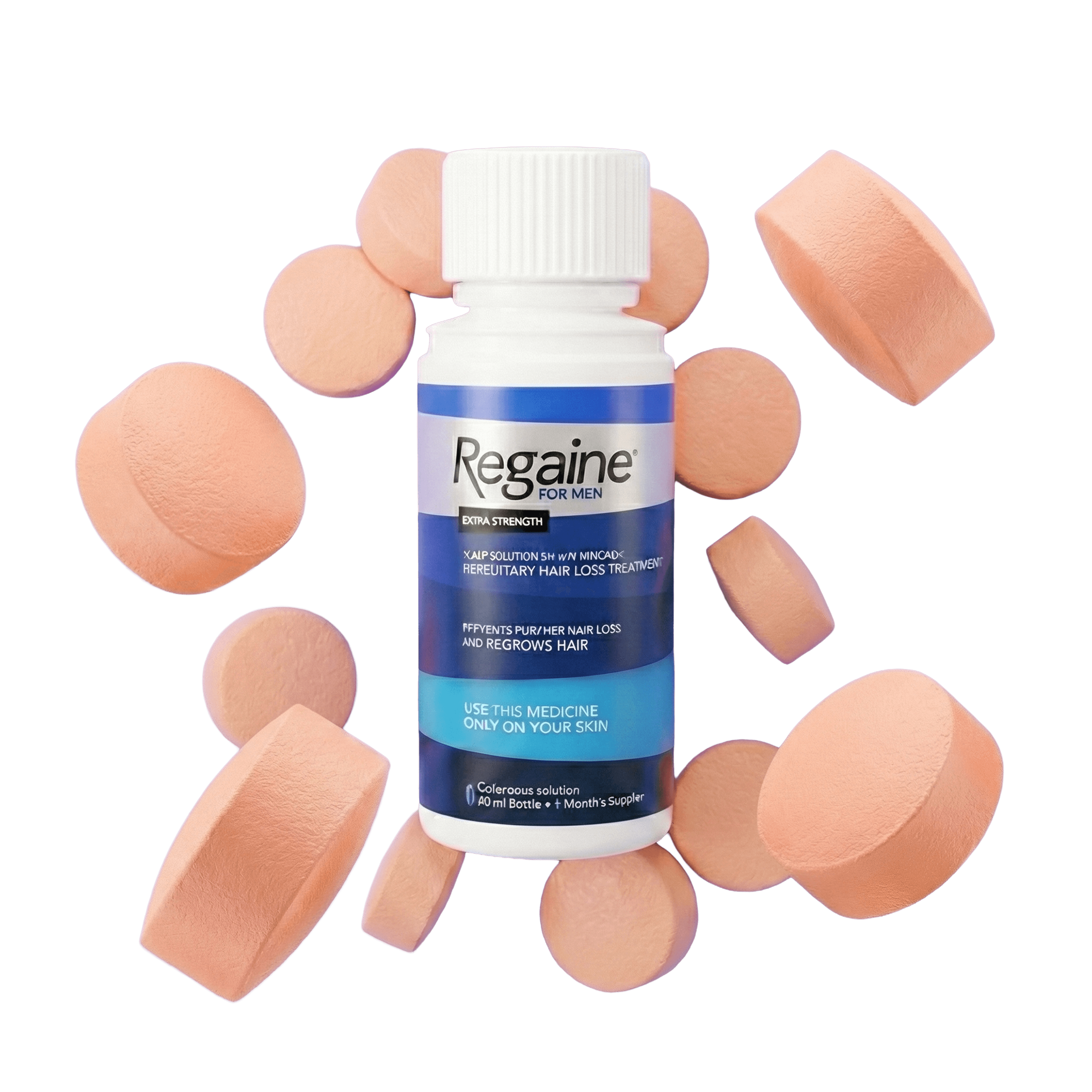
Topical finasteride, applied directly to the scalp, is a growing alternative to the standard oral tablet. It delivers the active ingredient locally, which means lower systemic absorption and potentially fewer side effects.
In terms of timeline, the two forms appear broadly comparable. Both work by reducing DHT at the follicle level, so the hair growth cycle response is similar. Some research suggests topical finasteride may produce slightly lower DHT suppression systemically, but scalp DHT reduction appears effective enough to produce meaningful results. The 3 to 6 month window for initial visible results seems to apply to both.
The choice between oral and topical often comes down to tolerability and personal preference rather than a significant difference in how quickly they work. If you're weighing up options, Totiva's hair loss service covers both, and a pharmacist can help you decide which is better suited to your situation.
Do You Have to Take It Forever?#
Yes, finasteride needs to be taken continuously to maintain results. It works by blocking the enzyme that converts testosterone to DHT. Stop taking it, and DHT levels return to their previous state within a few months. When that happens, the hair loss process resumes where it left off.
This isn't unique to finasteride. Most treatments for male pattern baldness, including minoxidil, require ongoing use. The good news is that finasteride is well-tolerated long-term for the majority of men, and the clinical evidence for sustained use over five-plus years is reassuring.
Side Effects and the Timeline#
Sexual side effects, including reduced libido and erectile changes, are the most discussed concern with finasteride. They affect a minority of users, and when they do occur, they tend to appear in the first few months of treatment rather than later on.
For most men who experience these effects, they resolve after the body adjusts, typically within the first few weeks. Stopping the medication reverses them in the vast majority of cases. Persistent side effects after stopping (sometimes called post-finasteride syndrome) are rare and remain an area of ongoing research.
If you're concerned about side effects, it's worth having an honest conversation with a pharmacist or prescriber before you start, not after. At Totiva, prescribers discuss this as part of the consultation rather than leaving it as a footnote.
Got questions? Speak to a pharmacist on WhatsApp now
Prefer to browse first? View treatments
What to Do If It Doesn't Seem to Be Working#
First, check your timeline honestly. If you're at the 3-month point with no change at all, that's not unusual. True non-response is harder to confirm before 12 months.
If you're approaching or past 12 months with no meaningful change, it's worth contacting your prescriber to review. A few things to consider:
- Consistency matters a lot. Finasteride needs to be taken daily without gaps. Missing doses interrupts DHT suppression and can slow or stall progress.
- The cause of your hair loss. Finasteride works specifically for androgenetic alopecia (male pattern baldness). It won't help with alopecia areata, telogen effluvium, or other non-hormonal causes of hair loss.
- Combination treatment. Many men get better results from combining finasteride with minoxidil. If you're on finasteride alone and progress is slow, adding minoxidil (topical or oral) is a reasonable next step to discuss with a clinician.
- Dose. The standard oral dose is 1mg daily. This is the dose used in the clinical trials referenced in the research. Deviating from this, or taking it inconsistently, affects outcomes.
If you're currently taking finasteride and wondering whether your progress is on track, Totiva's pharmacists are available for follow-up reviews as part of the consultation service.
Maximising Your Results#
There's no secret to getting the most from finasteride. Consistent daily use is the single biggest factor. Starting earlier in the hair loss process also matters: finasteride preserves existing follicles more effectively than it revives dormant ones, so the sooner you start, the more you have to protect.
A few other things that support hair health:
- Avoiding crash diets or severe calorie restriction, which can trigger telogen effluvium (a temporary but significant shedding phase)
- Ensuring adequate protein intake, since hair is largely keratin
- Managing stress where possible, as chronic stress elevates cortisol and can contribute to hair thinning
- If you smoke, quitting improves scalp circulation, which supports follicle health
Minoxidil remains the most evidence-supported add-on treatment. Clinical data consistently shows that the combination of finasteride and minoxidil outperforms either medication alone. If you're not already using both, it's worth raising with your prescriber.
When to Contact Your Prescriber#
Get in touch sooner rather than later if you experience:
- Persistent sexual side effects that aren't resolving after 4 to 6 weeks
- Any breast tissue changes or tenderness (rare but should be assessed)
- Significant unexplained shedding that doesn't settle within 8 weeks
- Any mood changes, particularly low mood or depression
Finasteride is generally very safe, but as with any prescription medication, it should be monitored rather than just dispensed and forgotten. A good prescriber will check in with you, not just at the start but throughout your treatment.
Getting Started#
Finasteride is a prescription-only medicine in the UK, meaning you'll need a consultation before you can access it. NHS GPs can prescribe it, though many refer patients to dermatology or suggest going private, given that male pattern baldness is generally classified as a cosmetic condition.
Online pharmacies like Totiva offer a straightforward route. The consultation is conducted by UK-registered pharmacists, the prescriptions are issued in line with MHRA licensing, and the medication is dispensed from a GPhC-registered pharmacy. If you're thinking about starting, or you want a second opinion on whether finasteride is right for your type of hair loss, starting a consultation takes about 10 minutes.
Results take time, but the evidence for finasteride is among the strongest in hair loss medicine. Consistent use, realistic expectations, and early action give you the best chance of keeping the hair you have and getting back some of what you've lost.
Medical Information: This article is for informational purposes only and does not constitute medical advice. Always consult a qualified healthcare professional before starting, stopping, or changing any treatment.