Is sauna good for weight loss? What the science actually says
Saunas feel productive, but do they actually help you lose weight? A pharmacist breaks down the evidence on calories, fat loss, and safe use.
Written and medically reviewed by:

Key Takeaways
Saunas cause water weight loss, not fat loss. The weight returns once you rehydrate. Regular sauna use can support cardiovascular health, sleep, and recovery, but it isn't a meaningful weight loss tool on its own.
Saunas feel good. That much is undeniable. But whether they actually help you lose weight is a different question, and the honest answer is: a little, but probably not in the way you're hoping.
The short version is that most of the weight you lose in a sauna is water weight from sweating. It comes back as soon as you drink fluids. That said, saunas aren't completely useless for people trying to manage their weight, and there are some genuine health benefits worth knowing about, particularly if you're already doing the hard work of eating well and exercising regularly.
What actually happens to your body in a sauna?#
A traditional Finnish sauna sits at around 80-100°C. When you step in, your core body temperature rises, your blood vessels dilate, and you start to sweat. A lot. Your heart rate increases, sometimes significantly, as your cardiovascular system works to cool you down by pushing blood towards the skin.
This physiological response is why people assume saunas must be burning serious calories. Your heart is working harder, you're sweating, you feel like you've done something. But the calorie expenditure is more modest than it feels.
Research suggests that a 20-minute sauna session might burn somewhere in the region of 50-150 extra calories depending on your body size, the temperature, and how your body responds. For context, a 20-minute brisk walk burns around 100-150 calories too, and comes with far greater metabolic and cardiovascular benefits over time. The sauna isn't a replacement for movement.
The water weight question#
After a sauna session, you might step on the scales and see you're 0.5-1kg lighter. This is almost entirely water loss through sweat, not fat. Once you rehydrate, which you absolutely should, that weight returns.
This distinction matters because water weight and fat loss are very different things. Losing fat requires a sustained calorie deficit over time. Sweating out fluid doesn't touch your fat stores at all. So while the number on the scales might look encouraging immediately after a sauna, it isn't telling you anything meaningful about your progress.
That said, if you're using a sauna as part of a broader healthy lifestyle, you can absolutely count it as a positive habit. Just don't count it as exercise.
Can saunas help burn fat?#
This is where it gets a bit more nuanced. Saunas don't directly burn body fat. The elevated heart rate you experience is largely driven by the body's need to thermoregulate, not by metabolic processes that tap into fat stores in any meaningful way.
However, there are some indirect pathways worth mentioning. Regular sauna use has been associated with improved cardiovascular function, which can make actual exercise feel easier and support recovery afterwards. Some studies have found that people who use saunas regularly after training experience less muscle soreness and recover faster, which means they can exercise more consistently over time.
There's also some evidence that sauna use may influence growth hormone levels temporarily, which could theoretically support muscle preservation during weight loss. But the effect sizes here are small, and it would be misleading to present this as a significant fat-loss mechanism.
The honest conclusion: saunas can support your weight loss efforts indirectly, but they won't do the heavy lifting for you.
How long should you spend in a sauna?#
For most people, 15-20 minutes per session is the standard recommendation. If you're new to saunas, start with 10 minutes and see how your body responds.
Some people do multiple shorter rounds, stepping out to cool down in between. This is common in traditional Finnish sauna culture and is generally considered safe for healthy adults.
The key things to watch out for:
- Dizziness or lightheadedness (leave immediately)
- Feeling unusually hot or faint
- A headache coming on
- Heart palpitations
If any of these happen, get out, sit down somewhere cool, and drink water. Don't push through discomfort in a sauna.
Dry sauna vs steam room vs infrared: does the type matter?#
Most of the research on sauna health benefits focuses on traditional dry saunas (Finnish-style). Steam rooms operate at lower temperatures but higher humidity, which can feel just as intense but carries different risks, particularly for people with respiratory conditions.
Infrared saunas are a growing trend in the UK. They operate at lower temperatures (around 50-60°C) and claim to penetrate the body more deeply, supposedly offering superior detox and fat-burning benefits. The reality is that the evidence base for infrared saunas is significantly thinner than for traditional saunas. That doesn't mean they're useless, but the dramatic fat-burning claims you'll see marketed should be taken with some scepticism.
All sauna types will produce sweating and a modest increase in heart rate. For the cardiovascular and recovery benefits that research supports, a traditional dry sauna appears to be the best-studied option.
Got questions? Speak to a pharmacist on WhatsApp now
Prefer to browse first? View treatments
The health benefits that are genuinely supported#
Setting aside the weight loss question, there's actually reasonably good evidence that regular sauna use has real health benefits, particularly for cardiovascular health.
A study published in Mayo Clinic Proceedings found that frequent sauna bathing (4-7 times per week) was associated with significantly reduced risk of cardiovascular disease and all-cause mortality compared to less frequent use. These findings came from a large Finnish cohort study tracking over 2,000 middle-aged men for more than 20 years.
Other well-supported benefits include:
- Reduced blood pressure: repeated sauna sessions appear to have a modest but consistent effect on lowering blood pressure, which is relevant given that many people trying to lose weight also have hypertension.
- Improved sleep quality: heat exposure in the evening followed by the body's subsequent cooling process can support deeper sleep. Given that poor sleep disrupts hunger hormones and contributes to weight gain, this is genuinely relevant to weight management.
- Muscle recovery: post-exercise sauna sessions can reduce delayed-onset muscle soreness, helping you train more consistently.
- Stress reduction: sauna use triggers relaxation responses and lowers cortisol in many people. Elevated cortisol is associated with increased appetite and fat storage, particularly around the abdomen, so anything that meaningfully reduces chronic stress can be a legitimate part of a weight management strategy.
Saunas and GLP-1 medications: what to consider#
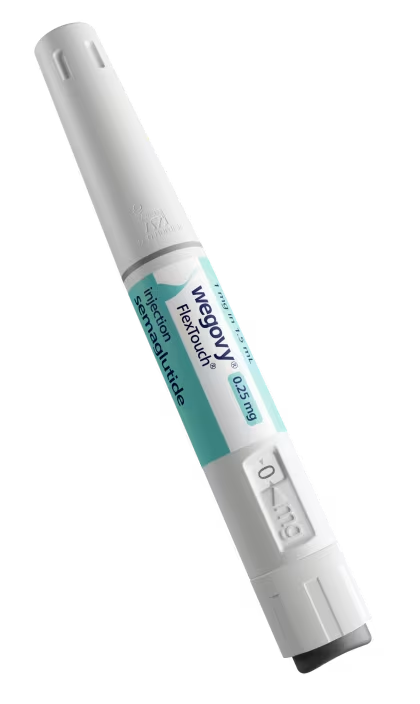
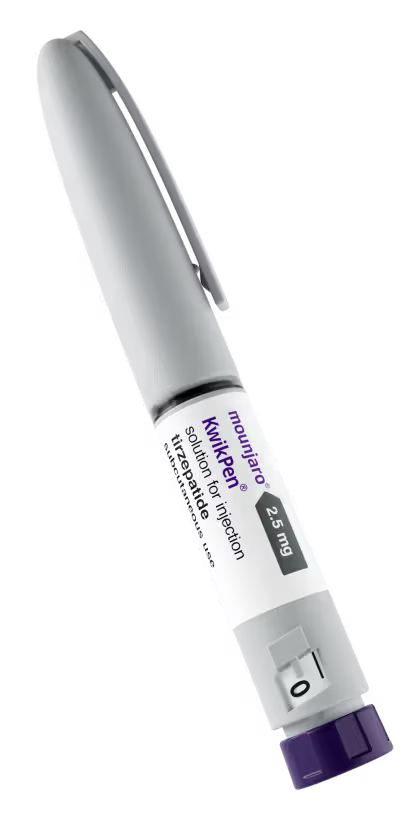
This is a gap you won't find covered in most articles on this topic, but it's worth addressing because a growing number of people in the UK are now taking GLP-1 medications like Mounjaro (tirzepatide) or Wegovy (semaglutide) as part of a medically supervised weight loss programme.
If you're on one of these medications and you enjoy sauna sessions, there are a few things to bear in mind. GLP-1 medications slow gastric emptying and can affect your sense of thirst. Combined with the fluid loss from sweating in a sauna, there's a slightly elevated risk of dehydration if you're not being careful. Make sure you're drinking sufficient water before and after each session.
Some people on GLP-1 medications also experience lower blood pressure as a side effect of weight loss itself. Saunas cause vasodilation and can temporarily lower blood pressure further, so if you feel dizzy or lightheaded when standing up after a sauna session, take it slowly.
None of this means you can't use a sauna while taking weight loss medication. It just means being a bit more attentive to hydration and how you feel. If you're unsure whether sauna use is appropriate given your specific health situation, it's worth raising with whoever is managing your treatment.
If you're exploring whether GLP-1 treatments like Mounjaro or Wegovy might be right for you, Totiva's weight loss service offers pharmacist-led online consultations with a free assessment before you pay anything.
Is there any risk to using a sauna?#
For most healthy adults, occasional sauna use is safe. The risks are worth knowing about, though.
Dehydration is the most common issue. You can lose a litre or more of fluid in a single session. Drink water before you go in, and rehydrate properly afterwards. Avoid alcohol before a sauna session.
Cardiovascular strain is a concern for people with certain heart conditions. If you have unstable angina, recent myocardial infarction, or severe aortic stenosis, saunas are generally not recommended. Check with your GP first if you have any existing heart condition.
Pregnancy: sauna use is not recommended during pregnancy due to the risk of overheating, which can affect fetal development.
Medications: some medications affect how your body regulates temperature or blood pressure. If you're on antihypertensives, diuretics, or other medications that affect fluid balance, check whether sauna use is appropriate for you.
Low blood sugar: people with diabetes who use insulin or certain oral medications should be aware that exercise and heat can both affect blood glucose levels. Monitor accordingly.
Ready to see if treatment could work for you?
How to use a sauna sensibly if you're trying to lose weight#
Think of the sauna as a recovery and wellness tool, not a fat-loss intervention. Here's how to get the most out of it without overstating what it can do:
- Use it after exercise, not instead of it
- Keep sessions to 15-20 minutes
- Stay well hydrated before and after
- Don't step on the scales immediately after (the number won't reflect actual fat loss)
- Aim for 3-4 sessions per week if you have access and enjoy it
- Listen to your body and leave if you feel unwell
If you're actively trying to lose weight, the fundamentals remain the same: a sustainable calorie deficit, regular physical activity, good sleep, and managing stress. Saunas can support several of those things, but they can't replace any of them.
The bottom line#
Saunas are not a weight loss tool in any direct sense. The weight you lose during a session is water, and it comes back when you rehydrate. But regular sauna use is genuinely good for your cardiovascular health, recovery, sleep quality, and stress levels, all of which matter when you're trying to manage your weight over the long term.
If you enjoy the sauna, keep using it. Just don't skip your workout because of it.
For people who are looking at evidence-based options for meaningful, sustained weight loss, GLP-1 medications have the strongest clinical evidence behind them. Totiva offers free online consultations with UK clinicians who can assess whether treatments like Mounjaro or Wegovy are appropriate for you. You only pay if a prescription is approved. You can start a weight loss consultation here.
Medical Information: This article is for informational purposes only and does not constitute medical advice. Always consult a qualified healthcare professional before starting, stopping, or changing any treatment.