Does Constipation Cause Weight Gain?
Constipation can nudge the scales upward, but is it real weight gain? A UK pharmacist explains the link, the causes, and what to do about it.
Written and medically reviewed by:

Key Takeaways
Constipation can cause a temporary, small increase on the scales due to backed-up waste, but it does not cause genuine fat gain. The real connection is shared root causes: poor diet, inactivity, and stress drive both conditions simultaneously.
Constipation can make the number on the scales creep up, but it is almost never the cause of genuine, lasting weight gain. The extra weight you might notice is typically the undigested waste your body is holding onto temporarily. Once things get moving again, that number usually returns to where it was.
That said, the relationship between constipation and weight is worth understanding properly, because the underlying causes of both conditions often overlap in ways that are genuinely useful to know.
What constipation actually is#
Most people have a rough sense of what constipation means, but clinically it is defined as having fewer than three bowel movements per week, often accompanied by hard or lumpy stools, straining, or a feeling that you have not fully emptied your bowels.
Bowel habits vary considerably from person to person. Some people go twice a day without issue, others every two or three days. So constipation is partly about frequency and partly about how it feels. If your usual pattern shifts noticeably, or if passing stools becomes uncomfortable, that is when it becomes a concern.
What causes constipation#
Constipation has both lifestyle and medical causes, and it is worth knowing the difference because treatment depends heavily on which is driving the problem.
Lifestyle causes#
The most common culprit is diet. A low-fibre diet is one of the leading drivers of constipation. UK dietary guidelines recommend 30g of fibre per day for adults, but the average person in the UK consumes closer to 18g. Fibre adds bulk to stools and helps food move through the digestive tract at a healthy pace.
Poor hydration makes things worse. Without enough fluid, the colon absorbs more water from stool, leaving it dry and difficult to pass.
Physical inactivity is another factor. Exercise stimulates the muscles of the digestive tract, and a sedentary lifestyle can slow gut motility significantly. Stress, too, can disrupt normal gut function through the gut-brain axis, sometimes triggering constipation or making it worse.
Medical causes#
Several medications are well-known causes of constipation that often get overlooked. Codeine and other opioid painkillers are among the most common culprits. Iron supplements, commonly prescribed in pregnancy or for anaemia, frequently cause constipation as a side effect. Amitriptyline and other tricyclic antidepressants can slow gut motility, and some calcium channel blockers used for blood pressure have the same effect.
Conditions including irritable bowel syndrome (IBS), hypothyroidism, and diabetes can all affect bowel function. Pregnancy is another common cause, partly due to hormonal changes and partly due to the pressure of a growing uterus on the bowel.
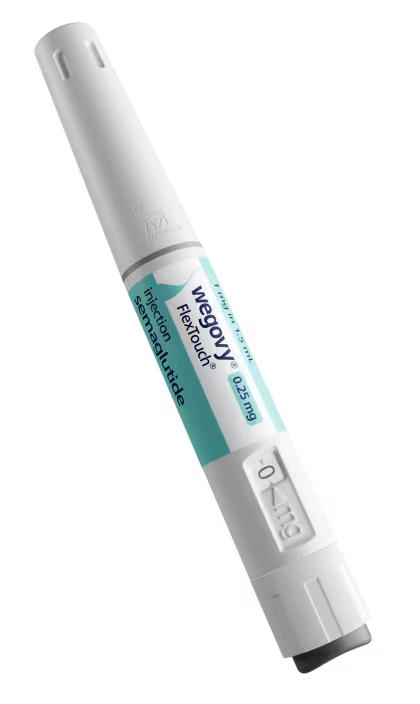
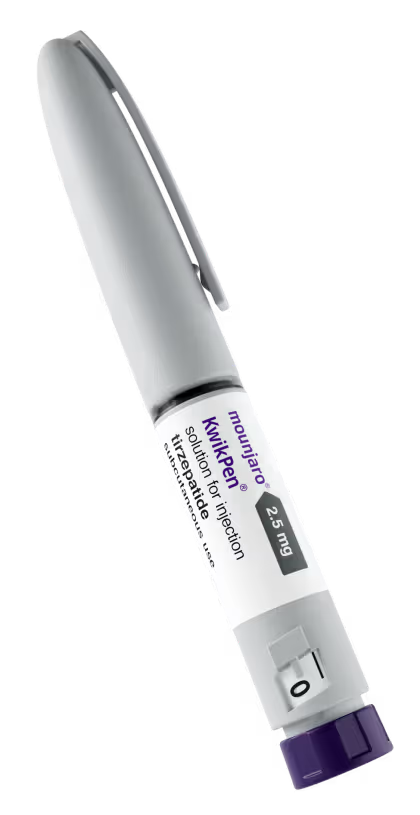
It is also worth noting that GLP-1 medications like Wegovy and Mounjaro, which slow gastric emptying as part of their mechanism, can cause or worsen constipation, particularly in the early weeks of treatment. If you are using these medications and struggling with this side effect, it is worth raising with your prescribing clinician.
Does constipation cause weight gain?#
Not in any meaningful, lasting sense. The temporary weight increase some people notice during a bout of constipation reflects the physical weight of backed-up stool and gas in the digestive tract. In most cases, this amounts to a pound or two at most, and it resolves when normal bowel movements resume.
True weight gain, the kind that reflects an actual increase in body fat or tissue, is driven by taking in more energy than you burn over time. Constipation on its own does not cause your body to store more fat.
Where things get more complicated is the overlap in causes. A diet low in fibre and high in processed, calorie-dense foods drives both constipation and weight gain. A sedentary lifestyle does the same. Poor hydration affects metabolism and gut motility simultaneously. So while constipation itself is not making you heavier, the lifestyle factors behind it very often are.
This is an important distinction. Treating the constipation will help you feel more comfortable and may drop a pound or two on the scales, but addressing the underlying diet and activity patterns is what makes a meaningful difference to body weight over time.
Can constipation cause water retention?#
Water retention and constipation can occur together, but they are distinct processes with their own causes.
Water retention (oedema) happens when excess fluid builds up in body tissues rather than being excreted normally. It shows up as puffiness, swollen ankles, or a bloated feeling. Constipation causes a similar feeling of bloating, which makes it easy to confuse the two.
Both can share root causes. Hormonal fluctuations, particularly in the lead-up to a menstrual period or during perimenopause, can cause both constipation and fluid retention simultaneously. A high-salt diet promotes water retention and tends to accompany the low-fibre, processed food patterns that drive constipation. Pregnancy, hypothyroidism, and some medications can also produce both effects at once.
So if you are feeling puffy and bloated alongside constipation, it is worth looking at the bigger picture of diet, hydration, hormones, and any medications you are taking rather than assuming one is causing the other.
How constipation and weight interact through stress and hormones#
Stress is an underappreciated driver of both constipation and weight changes, and understanding this connection is useful.
When the body is under prolonged stress, cortisol levels rise. Elevated cortisol encourages fat storage, particularly around the abdomen, and can alter appetite in ways that lead to overeating. It also affects gut motility through the gut-brain axis, contributing to constipation or irregular bowel habits.
Stress also tends to change behaviour in ways that compound the problem. People under pressure often eat more processed food, exercise less, sleep poorly, and drink more alcohol, all of which can drive both constipation and weight gain independently.
For women going through perimenopause or menopause, the hormonal shifts involved can cause constipation, water retention, and changes in body composition all at once. Falling oestrogen levels affect gut motility, and the redistribution of fat that accompanies menopause can make weight changes feel more pronounced and confusing. If this sounds familiar, it is worth speaking to a GP or pharmacist about the full picture rather than treating each symptom separately.
Got questions? Speak to a pharmacist on WhatsApp now
Prefer to browse first? View treatments
How to manage and prevent constipation#
Increase your fibre intake gradually#
Aim for the recommended 30g of fibre per day, but increase intake gradually to avoid bloating. There are two types of dietary fibre, and both help in different ways. Soluble fibre (found in oats, lentils, apples, and bananas) absorbs water and softens stools. Insoluble fibre (found in wholegrain bread, brown rice, and most vegetables) adds bulk and speeds gut transit.
A diet built around vegetables, legumes, whole grains, and fruit naturally provides adequate fibre. If you are using GLP-1 medications, which reduce appetite and therefore food volume, making what you do eat fibre-rich becomes even more important.
Drink enough water#
Hydration is essential for fibre to work properly. Without adequate fluid, soluble fibre cannot soften stool effectively. Aim for around 6-8 glasses of water per day, more in hot weather or when exercising. Drinks like coffee can have a mild laxative effect for some people, but they do not replace plain water for general hydration.
Move more#
Even moderate physical activity, such as a 30-minute walk most days, supports healthy gut motility. The NHS Physical Activity Guidelines recommend at least 150 minutes of moderate intensity activity per week for adults, and this has clear digestive as well as weight management benefits.
Do not ignore the urge#
Repeatedly delaying bowel movements trains the rectum to suppress the urge, making constipation worse over time. When you feel the need to go, try not to put it off. This sounds simple, but for many people, particularly those with busy work schedules or limited bathroom access, it is a genuine contributing factor.
Reduce stress where possible#
This is easier said than done, but managing stress has real digestive benefits. Regular exercise helps, as does good sleep hygiene. Some people find that mindfulness or relaxation techniques reduce gut symptoms alongside their psychological effects.
When to consider laxatives#
For short-term constipation, osmotic laxatives such as macrogol (available over the counter as Movicol or Laxido) are generally first-line in UK clinical practice. Bulk-forming laxatives like ispaghula husk (Fybogel) are another option, though they require good fluid intake to work. Stimulant laxatives such as senna are useful for short-term relief but are not suitable for regular use.
A pharmacist can advise on which type is appropriate for your situation without a GP appointment.
When to see a GP#
Most cases of constipation resolve with dietary and lifestyle changes. But there are situations where you should speak to a doctor promptly.
See your GP if constipation has lasted more than three weeks without a clear cause, if you notice blood in your stool, if you have unexplained weight loss alongside constipation, if there is a significant change in your usual bowel habits without explanation, or if you have symptoms suggesting a blocked bowel such as severe abdominal pain or vomiting.
In UK clinical practice, the Bristol Stool Scale is commonly used to describe stool consistency and help guide treatment decisions. Types 1 and 2 (hard, lumpy stools) indicate constipation, while types 3 and 4 are considered ideal. Knowing where you typically fall can be useful when describing symptoms to a clinician.
The weight loss picture#
If you are dealing with constipation as part of a broader effort to manage your weight, it is worth thinking about this holistically. The lifestyle changes that help with constipation, eating more fibre, drinking more water, moving regularly, managing stress, are also the foundations of sustainable weight management.
For people who need additional support with weight, particularly those with a BMI over 30 or over 27 with a weight-related health condition, clinically proven options are now available through services like Totiva. GLP-1 medications including Mounjaro and Wegovy work by regulating appetite hormones and slowing gastric emptying. They are effective, but they do require thoughtful management of digestive side effects including constipation, which is why ongoing clinical support matters.
Totiva's weight loss service offers pharmacist-led online consultations for adults aged 18-74 who are considering these treatments. The consultation is free, and you only pay if a treatment is approved and you choose to proceed.
If you have been struggling with unexplained weight changes alongside digestive issues and want to explore what options might suit you, a free consultation with Totiva is a straightforward first step.
Medical Information: This article is for informational purposes only and does not constitute medical advice. Always consult a qualified healthcare professional before starting, stopping, or changing any treatment.