Can Running Reduce Belly Fat?
Running can reduce belly fat, but only as part of a calorie deficit. Here's what the evidence says about timelines, intensity and what to do if fat isn't shifting.
Written and medically reviewed by:

Key Takeaways
Running reduces belly fat by creating a calorie deficit. Visceral fat typically responds within 8 to 12 weeks of consistent training (3 to 4 runs per week). Diet, sleep and stress all affect whether it shifts.
Yes, running can reduce belly fat. It does this by raising your energy expenditure, which helps create the calorie deficit your body needs to draw on fat stores. Belly fat will not disappear from running alone if the rest of your diet and lifestyle are working against you, but consistent running is one of the most effective tools available for reducing it.
Why belly fat responds to running#
Belly fat is not one thing. Subcutaneous fat sits just under the skin, the kind you can pinch. Visceral fat lies deeper, packed around your organs. Visceral fat is the type that raises your risk of type 2 diabetes and cardiovascular disease, and it is also the type that tends to respond well to regular aerobic exercise. Visceral fat is more metabolically active than subcutaneous fat, though the picture varies between individuals depending on genetics, hormones and body composition.
The NHS uses waist circumference to assess health risk from abdominal fat. Increased risk starts at 94 cm for men and 80 cm for women. High risk starts at 102 cm for men and 88 cm for women. These thresholds give you a clinical reference point that the scales alone cannot provide.
How long before you see results#
Most people want a realistic number, and the research offers one. Studies on regular aerobic exercise generally show measurable reductions in visceral fat within 8 to 12 weeks, provided training is consistent and diet is not undoing the deficit.
For a rough sense of scale: a 75 kg person running at a moderate pace burns roughly 250 to 350 kcal in 30 minutes. The actual number depends on your weight, speed and fitness level, so treat any figure as illustrative rather than precise.
Running 3 to 4 times a week for 30 to 45 minutes is a reasonable starting point. The NHS recommends at least 150 minutes of moderate aerobic activity per week, and running at a pace where you can hold a conversation counts. If you are just starting out, the NHS Couch to 5K programme is free, well structured and widely used across the UK.
Does intensity matter?#
Both steady-state running and high-intensity interval training (HIIT) help reduce fat. HIIT produces an afterburn effect (excess post-exercise oxygen consumption) that keeps your metabolism slightly elevated after the session. This is real but modest: for most recreational exercisers the extra calorie burn is typically under 100 kcal. Steady-state runs burn more calories during the session itself and are easier to sustain. A combination of both tends to give better results than either alone.
High running volumes can raise cortisol, the stress hormone, which at chronically elevated levels may increase abdominal fat storage. More is not always better. Three to four sessions a week with adequate recovery is more useful than daily high-intensity training that leaves you depleted.
Got questions? Speak to a pharmacist on WhatsApp now
Prefer to browse first? View treatments
Why your belly fat might not be shifting#
If you have been running consistently for 8 weeks and waist measurements have not changed, it is worth checking a few things.
Diet is the most common reason. Running does not cancel out a significant calorie surplus. Alcohol is particularly relevant here: it is calorie-dense and research links regular alcohol consumption specifically to visceral fat accumulation.
Sleep and chronic stress independently drive visceral fat. Even a well-structured running programme will be less effective if you are sleeping under 6 hours a night or carrying sustained psychological stress.
For women aged 45 to 55, hormonal changes during perimenopause and menopause shift fat distribution towards the abdomen. NICE guideline NG23 on menopause addresses how hormone changes affect body composition, and HRT may be relevant for some women in this group.
Adding two sessions of resistance training per week helps preserve and build muscle mass, which supports a healthier resting metabolic rate alongside running.
If running alone is not enough#
For people whose belly fat is a clinical concern and who have not responded to lifestyle changes alone, prescription weight loss treatments may be an option. These are available to adults aged 18 to 74, with suitability assessed by a clinician.
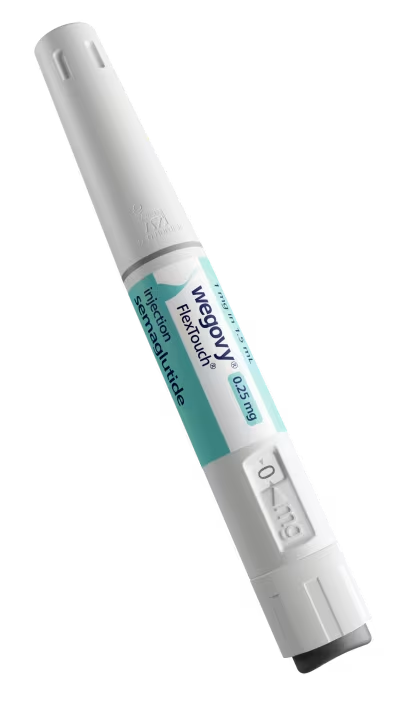
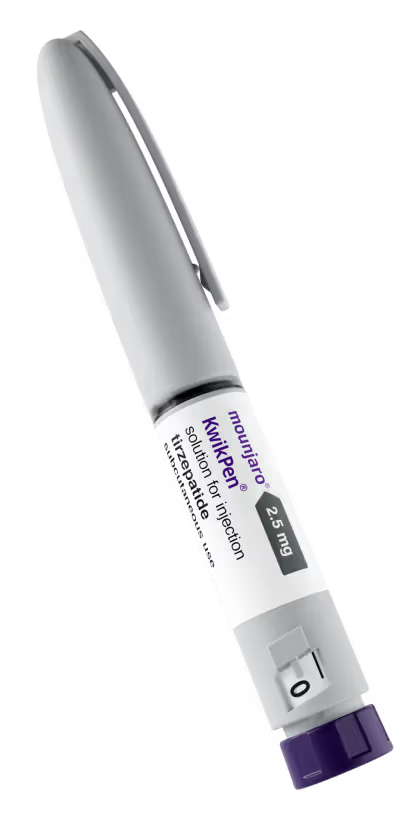
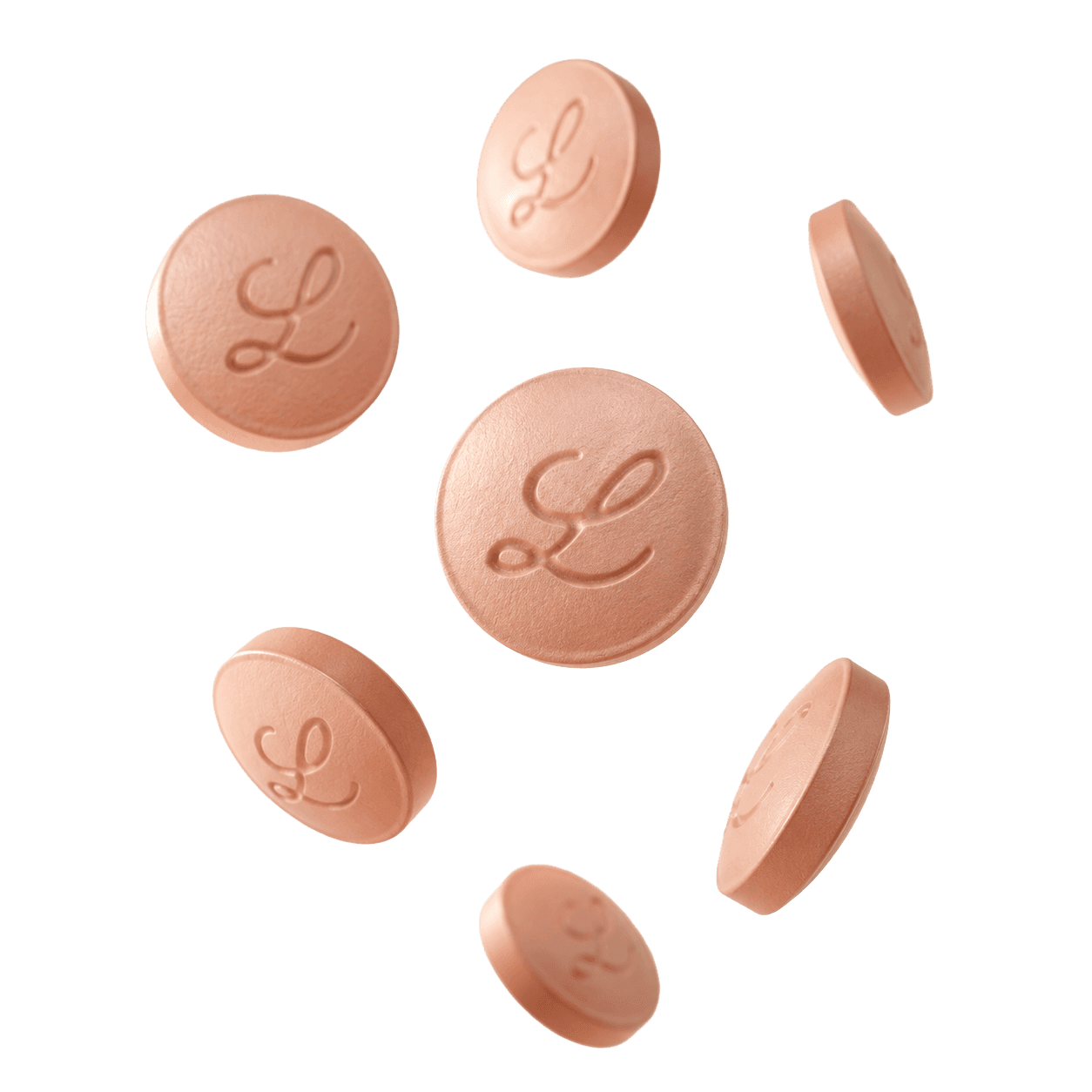
Wegovy (semaglutide) is available as a once-weekly subcutaneous injection. A separate oral semaglutide tablet is also available, though it is a distinct formulation with a different dose range and bioavailability profile to the injection. Mounjaro (tirzepatide) is a dual GIP and GLP-1 receptor agonist, a different mechanism to standard GLP-1 medications. Foundayo is another licensed treatment option available through our service. These treatments work best alongside an active lifestyle rather than replacing it. Results vary, and suitability is assessed by a clinician.
Totiva's weight loss service page has details on eligibility and the treatments currently available.
For more on training combinations that address abdominal fat, the Totiva guide on best exercises to burn belly fat for women covers the evidence behind different approaches.
Medical Information: This article is for informational purposes only and does not constitute medical advice. Always consult a qualified healthcare professional before starting, stopping, or changing any treatment.