










Headaches on Mounjaro: Why They Happen and What Eases Them
Headaches on Mounjaro are often linked to eating and drinking less. Here is what the UK label says, what helps, and which symptoms need urgent help.


Key Takeaways
Headaches are reported on Mounjaro, mostly in the first weeks or after a dose rise, and usually ease within days. Eating and drinking too little is a likely trigger. Sudden, severe or unusual headaches need urgent checking.
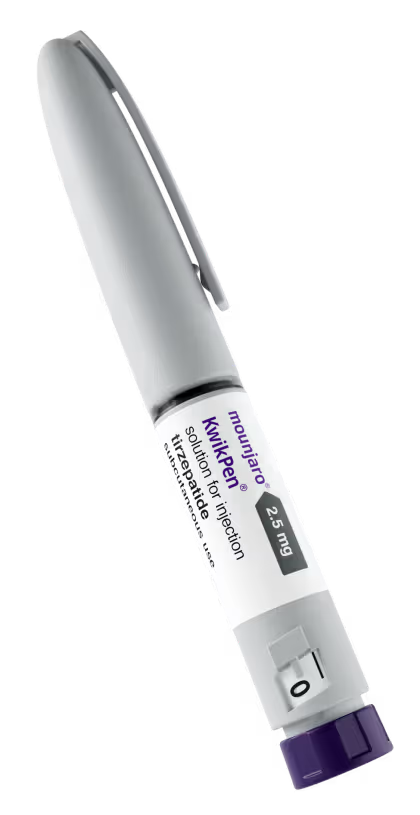
Yes, some people get headaches on Mounjaro, usually in the first weeks or after a dose increase. It is not clear whether the drug causes them directly. They often seem linked to eating and drinking less, and most ease within a few days of each injection. A sudden, severe or unusual headache is different and needs checking (see the red flags below).
What the UK label and trials show#
The UK patient leaflet and product information (SmPC) focus on digestive effects: nausea, diarrhoea, vomiting and constipation. We have not confirmed here whether headache appears as a listed adverse reaction, so check the current SmPC for the full list of reported effects. The SURMOUNT-1 trial also centred on digestive side effects. We have not quoted its headache figures, because we can't state them reliably, so we can't say how often headache was reported.
Patients do report headaches. But I can't give you a reliable percentage. Figures online range from 5% to 1 in 10, and they don't trace back to one agreed source. Treat any exact number with caution.
The label does list dizziness and low blood pressure. Both can come with a headache, so some "Mounjaro headaches" may be part of that picture. Our guide to Mounjaro dizziness covers it.
Why it might happen#
The mechanism is not proven. These are plausible, mostly indirect causes:
- Eating and drinking less. Mounjaro reduces appetite, and some people drink less without noticing.
- Peak drug levels. Blood levels peak 8 to 72 hours after the injection. That fits a day-after headache, but the link is unproven.
- Fluid loss. Vomiting or diarrhoea can leave you dehydrated.
- Changed habits. Skipping your usual tea or coffee, drinking alcohol, or eating very little can all trigger headaches.
- Low blood sugar. This is a real risk only if you also take insulin or a sulfonylurea. See the diabetes section below.
Check your BMI
Not sure where you stand? Work out your BMI in seconds and see whether weight loss treatment could be an option.
Work out your likely cause#
Use this table to match your pattern to the most likely trigger and a sensible first step.
| What you notice | Possible link | What to try |
|---|---|---|
| Headache 1 to 2 days after injecting, gone by day 3 | Peak drug levels, lower intake | Drink regularly. Eat something small before and after injecting. |
| Headache after moving up a dose | Stronger effect on appetite and stomach | Tell your prescriber before the next step. The label allows a rise only after at least 4 weeks, and you can ask to stay on a dose longer. |
| Dark urine, dry mouth, dizzy when standing | Not drinking enough | Sip water through the day. Aim for pale, straw-coloured urine. |
| Vomiting or diarrhoea | Fluid and salt loss | Take small sips often. Use oral rehydration sachets (such as Dioralyte). Don't wait it out: dehydration can affect your kidneys. Contact your prescriber if it lasts over 24 hours. |
| Fewer cups of tea or coffee than before | Caffeine withdrawal, often 12 to 24 hours later | Keep your usual amount. Don't add extra on an empty stomach. |
| Alcohol the night before | Alcohol hits harder when you eat less | Cut back, and eat before you drink. |
Our Mounjaro dosage guide explains the 2.5mg to 15mg steps.
Which painkiller to use#
Paracetamol is the usual first choice. Follow the packet dose and never take more than the maximum in 24 hours.
Avoid ibuprofen if you are dehydrated, being sick, have diarrhoea or have kidney problems. The reason is in the Mounjaro SmPC, which warns that dehydration from digestive side effects such as vomiting and diarrhoea can lead to acute kidney injury, a sudden worsening of kidney function. Anti-inflammatory painkillers such as ibuprofen can add further strain on the kidneys when you are short of fluid. This is also why vomiting or diarrhoea should be dealt with promptly, with fluids and advice from your prescriber or pharmacist if it continues. If you do use ibuprofen when you are well hydrated, take it with food. Ask a pharmacist first if you take other medicines.
Don't take painkillers on 10 or more days a month. Frequent use can cause medication-overuse headache, which keeps the cycle going.
Weight loss treatments we prescribe
If you have migraine, diabetes or are over 50#
Migraine. We have not found evidence in the label or trials we reviewed that Mounjaro directly triggers migraine, but we can't rule it out. Skipped meals, less fluid and rapid weight loss are common migraine triggers. Keep small regular meals and fluids, and tell your prescriber if your pattern changes. The Migraine Trust and Headache UK both offer practical advice.
Type 2 diabetes on insulin or a sulfonylurea (such as gliclazide). Low blood sugar is very common on the label when Mounjaro is combined with these. Shakiness, sweating, hunger or confusion alongside a headache needs a glucose check and treatment. Your diabetes team may lower the other medicine. If you drive, follow DVLA rules and Diabetes UK advice.
Over 50. A new headache with jaw pain when chewing, a tender scalp or vision changes could be giant cell arteritis. Get same-day help, whatever medicine you take.
Red flags#
Call 999 for:
- A sudden, worst-ever headache that peaks within a minute
- Fever with a stiff neck, or a rash that does not fade under a pressed glass
- A drooping face, weak arm or slurred speech
- Confusion, a seizure or sudden loss of vision
Call NHS 111 or get same-day help for:
- Headache after a head injury
- A stiff neck or pain from bright light, without a rash
- Vomiting that stops you keeping fluids down
- Severe pain in the upper tummy that spreads to your back (possible pancreatitis or gallbladder problems)
- Jaw pain, scalp tenderness or vision changes if you are over 50
Speak to your prescriber, GP or pharmacist if:
- Headaches last beyond a week or two after a dose
- They are getting worse
- You need painkillers often
- Your migraines have changed
Who to contact#
If the NHS prescribes your Mounjaro, start with your GP practice. If you buy it privately, your prescriber's clinical team is the first contact. You may not have regular reviews, so reach out early.
If you are thinking of starting, Totiva's weight loss service has a free online consultation. A UK clinician assesses whether treatment suits you, you pay only after approval, and there is no subscription.
A simple diary helps. Note your injection day, dose, fluids, meals, caffeine and when each headache started and stopped. Bring it to your next review or message it to your prescriber before any dose increase.
Is Mounjaro right for you?
From£136.88a month
Answer a few questions and a pharmacist will review whether treatment is suitable. You only pay if you're approved.
- GPhC-registered pharmacists
- Free online consultation
- Discreet, tracked delivery
Frequently asked questions
- 1
NHS (2025). Tirzepatide: a medicine to manage type 2 diabetes and treat obesity. NHS Medicines A to Z
View source - 2
Jastreboff AM et al. (2022). Tirzepatide Once Weekly for the Treatment of Obesity (SURMOUNT-1). New England Journal of Medicine
- 3
NICE (2024). Overview | Tirzepatide for managing overweight and obesity | Guidance. NICE Technology Appraisal Guidance
View source - 4
NHS (2023). Headaches. NHS Website
View source - 5
NHS (2023). Migraine. NHS Website
View source - 6
NHS (2023). Temporal arteritis. NHS Website
View source
Medical Information: This article is for informational purposes only and does not constitute medical advice. Always consult a qualified healthcare professional before starting, stopping, or changing any treatment.


