The Elephant Root Trick for Erectile Dysfunction: Is Butea Superba Worth Trying?
The 'elephant root trick' is a social media term for Butea superba supplements. Here's what the clinical evidence actually shows and why UK men should be cautious.
Written by:

Medically reviewed by Callum Armstrong, MPharm, Independent Prescriber (IP)
Key Takeaways
The 'elephant root trick' is a social media term for Butea superba supplements, sold as a natural ED fix. Clinical evidence is very limited, safety risks are real, and licensed treatments like sildenafil are cheaper and proven to work.
What exactly is the elephant root trick?#
The 'elephant root trick' is a marketing label, not a medical term. It refers to Butea superba, a climbing vine native to Thailand also called red kwao krua. Videos and posts on TikTok and YouTube frame it as a secret herbal fix for erectile dysfunction (ED), using the word 'trick' to imply something doctors don't want you to know. That framing is itself a red flag. Butea superba has no marketing authorisation from the MHRA, is not listed in the BNF, and is sold in the UK only as an unregulated food supplement.
Where the 'trick' label comes from#
The 'trick' framing is a social media content format designed to drive curiosity clicks. Creators position the herb as forbidden knowledge or a shortcut that pharmaceutical companies suppress. This formula works because ED carries stigma and many men prefer to self-treat rather than speak to a doctor. The reality is that Butea superba is not new, not secret, and not proven to work reliably. Thai traditional medicine has used it for centuries, but centuries of use is not the same as clinical proof.
What Butea superba is claimed to do#
Proponents claim the root works through three mechanisms: theoretically weak PDE5 inhibition (the same pathway sildenafil blocks — though this has only been demonstrated in laboratory and animal studies, not in humans), increased testosterone, and boosted nitric oxide production, which helps relax blood vessels in the penis. In theory, any of these effects could support an erection. In practice, the evidence is thin.
The most cited human study, published in the Asian Journal of Andrology in 2003, involved 45 men with ED over 3 months. Roughly 82% of men taking Butea superba reported some improvement in erectile function compared with 36% on placebo. It is worth noting that the trial used a non-validated questionnaire to measure outcomes, and the placebo response rate is unusually low, which may inflate the apparent difference between groups. The trial was also small and has not been independently replicated at scale. No large, well-designed randomised controlled trial has confirmed these results.
For comparison, sildenafil (the active ingredient in Viagra) has been tested in thousands of patients across multiple trials and consistently produces improvement in around 70–80% of men with ED, with rigorous measurement tools and safety data going back to the late 1990s.
Not sure which treatment is right for you?
The evidence gap in numbers#
| Treatment | Participants in key trials | Reported improvement | MHRA licensed | Available on NHS |
|---|---|---|---|---|
| Sildenafil | Thousands across multiple RCTs | ~70–80% | Yes | Yes (prescription required; free in specific clinical circumstances) |
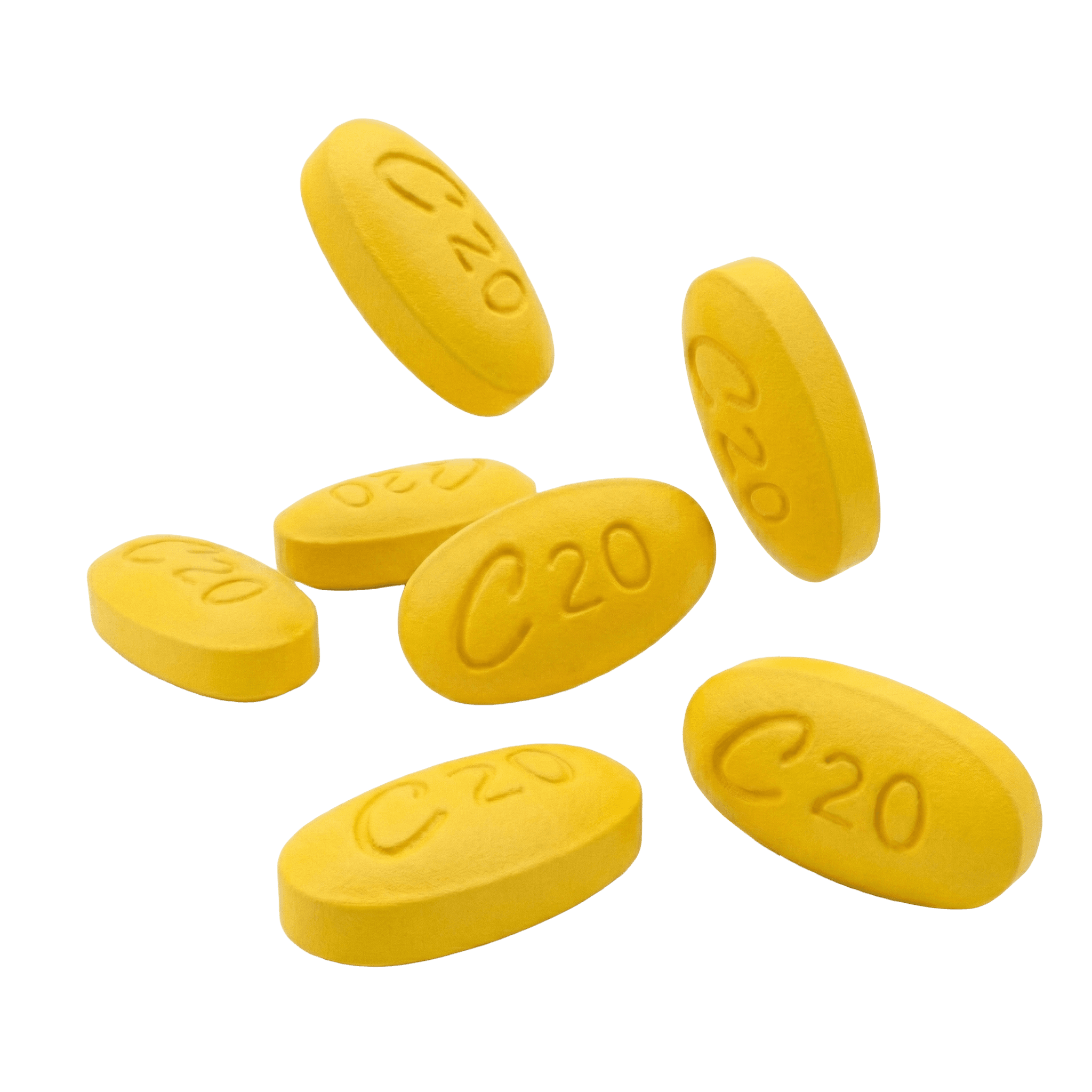
| Tadalafil | Thousands across multiple RCTs | ~75–80% | Yes | Yes |
| Butea superba | 45 (one small trial) | ~82% (self-reported, non-validated questionnaire) | No | No |
The single Butea superba figure looks competitive on paper, but self-reported outcomes in a 45-person trial carry very little statistical weight.
Safety concerns you need to know about#
Butea superba is not a neutral supplement. Thai case reports have documented hormonal disruption in men taking high doses, including gynaecomastia (breast tissue growth) and suppressed natural testosterone production. The herb appears to have both androgenic (testosterone-like) and oestrogenic (oestrogen-like) activity, and the balance depends on dose, preparation, and individual response. None of that is predictable from a capsule bought online.
Nitrates and blood pressure: an important warning#
If you take nitrates — medicines prescribed for chest pain such as glyceryl trinitrate or isosorbide mononitrate — you must not take unlicensed ED supplements that may contain hidden PDE5 inhibitors. The combination of a PDE5 inhibitor and nitrates can cause a sudden, severe and potentially life-threatening drop in blood pressure. This applies whether the PDE5 inhibitor is a licensed medicine or an undeclared ingredient in a supplement.
The MHRA has issued multiple alerts about unlicensed ED supplements sold online that were found to contain hidden sildenafil or tadalafil, added by manufacturers to make the product appear to work. Taking an unknown dose of sildenafil in a supplement is dangerous, and there is no way to tell from the label whether a Butea superba product contains undeclared pharmaceutical ingredients.
No Butea superba product currently holds a Traditional Herbal Registration (THR) from the MHRA, which is the minimum quality standard for herbal medicines sold in the UK. A THR does not confirm that a remedy works, but it does confirm that what is on the label is what is in the capsule, and that it has been manufactured safely.
What licensed treatments offer instead#
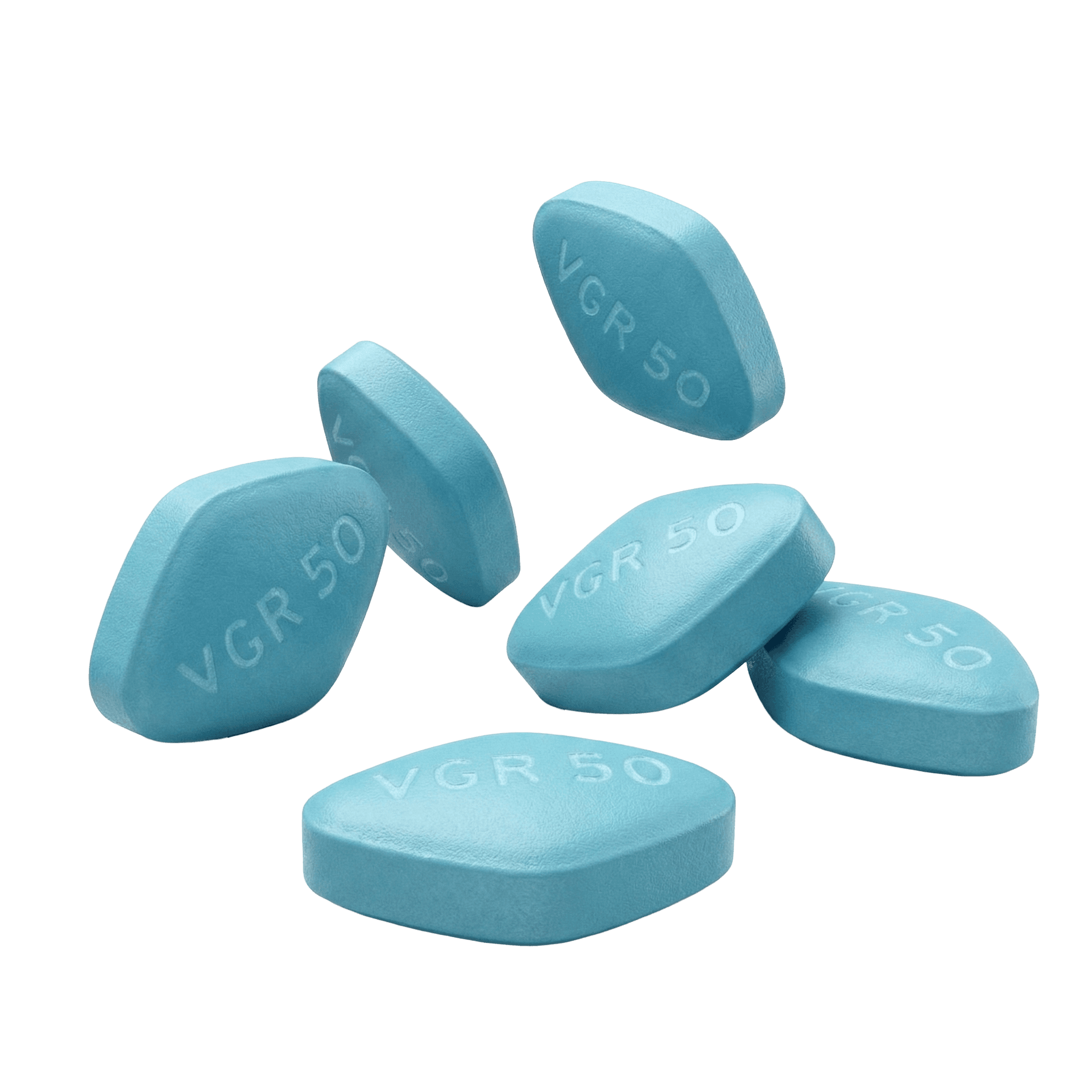
If you have ED, two drug classes have strong, replicated evidence behind them: PDE5 inhibitors (sildenafil and tadalafil) and, in some cases, hormone therapy where low testosterone is confirmed. NICE guidelines recommend PDE5 inhibitors as first-line treatment for most men with ED. Sildenafil is available on NHS prescription; it is provided free of charge for men who meet specific clinical criteria (such as ED associated with diabetes, multiple sclerosis, Parkinson's disease, renal failure, or prostate cancer treatment, among other conditions), while other men pay the standard prescription charge. Generic sildenafil is also available through regulated online pharmacies at low cost. An eight-tablet pack of generic sildenafil 50mg, for example, starts from around £12.99 through regulated UK online pharmacies — approximately £1.62 per tablet.
Compare that with Butea superba capsules, which typically cost £20–40 for a month's supply online, from sellers who are often based outside the UK and unverifiable.
You can explore licensed options at Totiva's erectile dysfunction service, where a free consultation is followed by prescription only if it's appropriate for you.
Got questions? Speak to a pharmacist on WhatsApp now
Prefer to browse first? View treatments
Why some men reach for supplements first#
Stigma is real. Many men find it easier to buy a supplement quietly than to raise ED with a GP. Psychological ED, which is ED driven by performance anxiety rather than a physical cause, is also common, particularly in younger men. If anxiety is the main driver, no pill (herbal or pharmaceutical) addresses the root cause. Cognitive behavioural therapy or psychosexual counselling is more appropriate. A GP or pharmacist can help you work out which type of ED you are dealing with.
If you want to read about other natural remedies that have been through similar scrutiny, the Totiva guide on maca root for men goes through the evidence in a similar way.
Reporting unsafe products#
If you buy a supplement in the UK that causes unexpected side effects or you suspect contains undeclared drugs, report it to the MHRA via the Yellow Card scheme at yellowcard.mhra.gov.uk. You can also report misleading health claims to the Advertising Standards Authority. UK Trading Standards can act on products sold in breach of the Consumer Rights Act 2015 if they are misdescribed.
If you are buying any ED product online, check that the pharmacy displays a GPhC registration number and the EU common logo for internet pharmacies. If neither is visible, do not buy from that site.
Not sure which treatment is right for you?
Medical Information: This article is for informational purposes only and does not constitute medical advice. Always consult a qualified healthcare professional before starting, stopping, or changing any treatment.