Chia Seeds in Water for Weight Loss: Does It Actually Work?
Chia seed water is all over TikTok, but does it actually help you lose weight? A UK pharmacist looks at the evidence and what it means in practice.
Written and medically reviewed by:

Key Takeaways
Chia seed water will not cause weight loss by itself. It can help reduce appetite through fibre and protein, which may support a calorie deficit. The clinical evidence for chia seeds specifically causing fat loss is weak.
Chia seed water can support weight loss efforts, but only as part of a calorie deficit. There is no evidence that drinking it alone causes fat loss. What chia seeds do well is help you feel fuller for longer, which may make sticking to a reduced-calorie diet a little easier.
Why chia seeds affect appetite#
When you soak chia seeds in water, they absorb liquid and swell into a thick gel. Some studies show they can expand to around 12 times their dry size. This same process continues in your stomach: the gel slows how quickly food leaves your digestive system, which stretches the stomach wall and triggers satiety signals.
The key nutrient behind this is soluble fibre. Two tablespoons (roughly 28g) of chia seeds contain about 10g of fibre, which is a third of the NHS recommended daily intake of 30g. Most adults in the UK get only around 18g per day, so chia seeds are genuinely useful for closing that gap.
Chia seeds also provide around 4.7g of protein per two tablespoons. Protein is the most satiating macronutrient, meaning it keeps hunger at bay more effectively than carbohydrates or fat. The combination of fibre and protein is why chia seeds have a reasonable claim to reducing appetite, even if the effect varies from person to person.
What the clinical research actually found#
A 12-week randomised controlled trial looked at whether adding chia seeds to the diet of overweight adults changed their body composition. The trial tested the effect of the seeds' fibre and ALA (alpha-linolenic acid, a plant-based omega-3) content. At the end of 12 weeks, the researchers found no significant difference in body weight or fat mass between the chia seed group and the control group.
No clinical studies have looked specifically at chia seed water as a format. The water format is not nutritionally different from eating soaked chia seeds in porridge or yoghurt. The gel formation happens either way. So the TikTok presentation (seeds in a glass of water with lemon and salt) does not have special properties that plain chia seeds in food lack.
That said, the absence of strong trial evidence for chia seeds causing weight loss is not the same as evidence that they do not help. Their fibre and protein content has a plausible and well-understood mechanism for reducing appetite. They are simply not a substitute for the broader dietary changes that drive a calorie deficit.
How many calories are in a glass of chia seed water?#
This is a practical detail most articles skip. A typical serving is one to two tablespoons of chia seeds (14-28g) in a 300-500ml glass of water.
| Serving | Calories | Fibre | Protein |
|---|---|---|---|
| 1 tbsp (14g) chia seeds | ~68 kcal | 5g | 2.4g |
| 2 tbsp (28g) chia seeds | ~136 kcal | 10g | 4.7g |
The water itself adds no calories. So a two-tablespoon serving sits at around 136 calories, which is not trivial if you are tracking intake closely. Treat it as a snack that counts, not a free addition to your day.
A practical guide to making and timing it#
To make chia seed water: stir one to two tablespoons of chia seeds into a glass of water. Leave them to soak for at least 20-30 minutes, or overnight in the fridge. The seeds should form a gel throughout the liquid rather than clumping.
Timing matters if your goal is appetite control. Drinking it 20-30 minutes before a meal may reduce how much you eat at that meal. Alternatively, a mid-morning or mid-afternoon serving can head off the urge to snack before lunch or dinner.
You can find chia seeds in most UK supermarkets including Tesco, Sainsbury's, and Waitrose, as well as Holland and Barrett. A 500g bag typically costs between £3 and £6, making this one of the more affordable high-fibre additions to a diet.
Safety, side effects, and who should be careful#
For most healthy adults, chia seed water is safe to drink daily. However, a few groups need to be cautious.
Digestive conditions: Because chia seeds are high in fibre and form a bulky gel, people with IBS, diverticulitis, or inflammatory bowel disease may find they worsen symptoms. Introduce them gradually and stop if bloating or cramping increases.
Dysphagia: Never swallow dry chia seeds if you have any difficulty swallowing. Case reports have documented oesophageal obstruction in individuals with pre-existing oesophageal dysmotility who consumed dry seeds with insufficient water; always soak them fully before consuming.
Blood sugar medication: The fibre content may slightly affect how quickly blood sugar rises after eating, so people on insulin or diabetes medication should monitor their blood sugar if they make significant dietary changes.
Pregnancy and breastfeeding: Chia seeds are generally considered safe in food quantities during pregnancy, but there is limited specific research. Stick to standard serving sizes rather than large amounts, and mention it to your midwife if you are unsure.
Start with one tablespoon per day and increase slowly if you are not used to a high-fibre diet. Drink plenty of water alongside them, roughly 6-8 glasses a day, otherwise the fibre can cause constipation rather than relieve it. You can read more about hydration and weight loss at Does Water Help With Weight Loss?.
Got questions? Speak to a pharmacist on WhatsApp now
Prefer to browse first? View treatments
Where chia seeds sit in a weight loss plan#
NHS weight management services and NICE guidance on obesity both emphasise dietary pattern change over single-food fixes. Chia seeds can be a useful tool within a balanced diet, particularly for people who struggle with hunger between meals, but they work because they contribute to a calorie deficit, not independently of one.
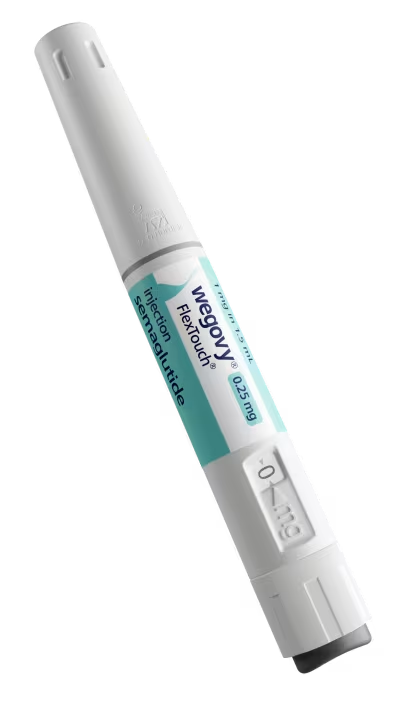
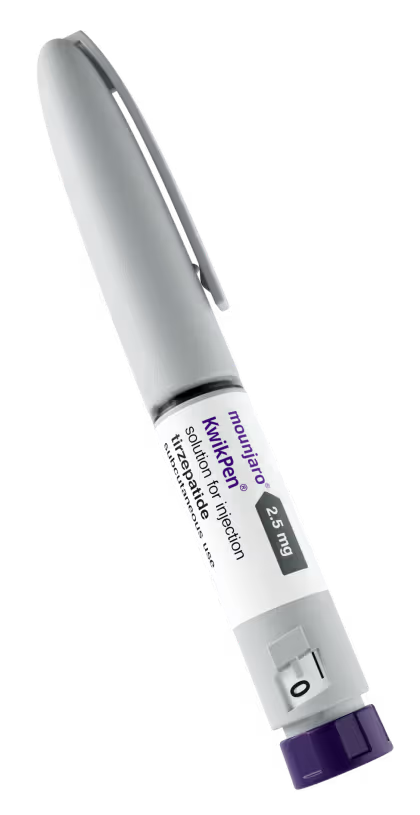
If you have tried dietary approaches and are not getting the results you need, prescription treatments are worth knowing about. Medicines like semaglutide (Wegovy), tirzepatide (Mounjaro), and Foundayo work on appetite hormones directly and have robust clinical trial evidence behind them. Totiva data shows average weight losses of 20.7% with Wegovy injection, 16.6% with Wegovy tablets, and 22.5% with Mounjaro. These are in a different category of evidence to food supplements. Totiva's weight loss service offers a free online consultation to assess whether a prescription treatment might be appropriate for you.
Chia seeds are a genuinely nutritious food with a real mechanism for supporting satiety. Add them to your diet if you enjoy them and they help you eat less overall. Just do not expect the glass of water to do the heavy lifting on its own.
Medical Information: This article is for informational purposes only and does not constitute medical advice. Always consult a qualified healthcare professional before starting, stopping, or changing any treatment.