Is Fish and Chips Fattening? Calories, Nutrition and Healthier Choices
Fish and chips can be surprisingly nutritious, but the calories add up fast. Here's what the numbers actually say, plus how cooking method changes everything.
Written and medically reviewed by:

Key Takeaways
A chip shop fish and chips meal typically contains 900–1,200 calories. The fish itself is nutritious, but batter and frying add significant fat and calories. Grilling or baking fish cuts calories roughly in half.
Fish and chips is the UK's most iconic takeaway, and the question of whether it's fattening comes up constantly, especially for anyone trying to manage their weight. The honest answer is: it depends on how it's prepared. A portion of battered cod from a chip shop typically contains 800–1,200 calories, which is a significant chunk of most people's daily intake. But the fish itself isn't the problem. It's the batter, the frying oil, and the mountain of chips that shift the nutritional balance.
Let's look at what's actually going on, from the calories in a typical portion to the ways cooking method changes everything.
What's Actually in a Chip Shop Meal#
A standard chip shop cod in batter (around 200g of fish) contains roughly 450–550 calories on its own. Add a large portion of chips (300–400g) and you're looking at a combined meal of 900–1,200 calories, before any mushy peas, curry sauce, or salt.
For context, the NHS recommends an average daily intake of around 2,000 calories for women and 2,500 for men. A fish and chips meal from a chip shop can therefore represent 40–60% of your daily calorie needs in a single sitting.
Here's a rough calorie breakdown by component:
- Battered cod (200g): 450–550 kcal
- Chip shop chips (regular portion, 300g): 450–500 kcal
- Mushy peas (100g): around 80 kcal
- Curry sauce (portion): around 150–200 kcal
- Bread and butter on the side: 150–200 kcal
The chips themselves aren't inherently the villain either. A medium potato is genuinely nutritious, providing fibre, potassium, and vitamin C. It's the deep-frying in oil and any added salt that transforms them nutritionally.
How Frying Changes the Nutritional Profile#
Fish is, by nature, an excellent source of protein, B vitamins, iodine, selenium, and, in oily species like mackerel, salmon, and sardines, omega-3 fatty acids. The NHS recommends eating at least two portions of fish per week, including one oily fish, because of the established cardiovascular and cognitive benefits.
But deep-frying changes things substantially. When fish is coated in batter and submerged in hot oil, several things happen at once. The coating absorbs a significant quantity of oil, dramatically increasing the fat content. High frying temperatures can degrade heat-sensitive nutrients, including some omega-3 fatty acids and B vitamins. And repeatedly heated oils can produce oxidation compounds that have been linked to cardiovascular concerns in observational research.
The batter itself adds refined carbohydrates with little fibre or nutritional value, and commercial preparations tend to be high in sodium. Action on Salt has highlighted that a typical chip shop meal can contain 3–5g of salt, compared to the NHS's recommended daily maximum of 6g. That's a significant contribution from a single meal.
Beyond salt, there's the question of acrylamide. The Food Standards Agency has flagged this compound, which forms naturally in starchy foods cooked at high temperatures (including chips), as a potential health concern based on animal studies. The FSA recommends cooking chips to a golden yellow colour rather than deep brown to reduce acrylamide formation.
Comparing Cooking Methods#
The biggest single lever for making fish healthier is the cooking method. The calorie difference between a battered fried fillet and the same piece of fish grilled or baked is substantial:
- Battered fried cod (200g): approximately 450–550 kcal, 20–30g fat
- Grilled cod without batter (200g): approximately 180–200 kcal, 2–4g fat
- Baked cod with a light breadcrumb (200g): approximately 250–300 kcal, 6–10g fat
- Steamed cod (200g): approximately 160–180 kcal, 1–2g fat
That's a difference of 250–350 calories between battered frying and grilling, which over weeks and months can make a meaningful difference to body weight.
If you are cooking at home, grilling, baking, or steaming fish preserves more of the omega-3 content and keeps the calorie count low without sacrificing flavour. Using rapeseed oil rather than generic vegetable blends when you do fry is also worth considering, as it has a better fatty acid profile and is more stable at high temperatures.
For chip shop visits, there are some practical adjustments that make a real difference:
- Ask for a smaller portion of chips rather than a large
- Swap battered fish for grilled fish if the option is available
- Avoid salt being added automatically (many chip shops will skip it if you ask)
- Choose mushy peas over curry sauce for a lower-calorie side
- Skip the bread and butter
Is Fish and Chips Unhealthy, Then?#
Not necessarily. Frequency and context matter more than a single meal. The research linking fried food to cardiovascular risk is largely based on populations eating fried food multiple times per week over years. A weekly chip shop visit as part of an otherwise balanced diet is a very different picture from daily fried meals.
The British Heart Foundation notes that fish and chips can fit into a heart-healthy diet when eaten in moderation. The key factors are portion size, frequency, and what the rest of your diet looks like the majority of the time.
White fish like cod and haddock, which are the backbone of UK chip shops, are genuinely low in saturated fat and high in lean protein even after frying. The protein content of a battered cod fillet (around 30–40g per portion) is actually one of its strengths, helping with satiety and muscle maintenance.
Where chip shop meals become a consistent problem for weight management is when they replace more nutritionally varied meals regularly, or when portion sizes spiral. A large battered sausage, chips, curry sauce, and a fizzy drink can tip over 1,500 calories in a single order.
Fish and Chips and Weight Management#
For people actively trying to lose weight, the calorie density of a chip shop meal means it needs to fit within an overall daily calorie target rather than sit on top of it. This isn't impossible, but it does require being mindful of what you eat earlier in the day.
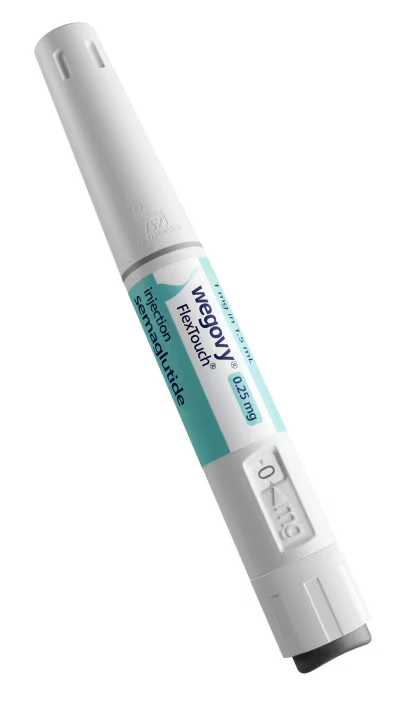
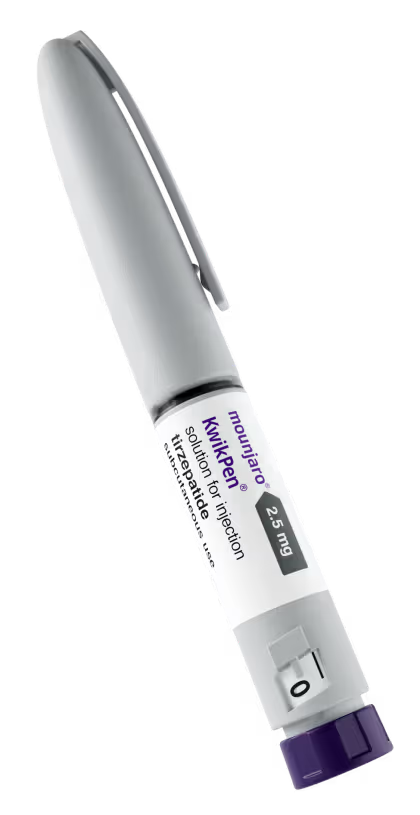
For those using GLP-1 weight loss medications like Wegovy (semaglutide) or Mounjaro (tirzepatide), the reduced appetite these medications cause often naturally leads people to eat smaller portions. A half portion of chips and a battered fillet becomes genuinely manageable within a calorie target when your appetite is physiologically suppressed. That said, the quality of calories still matters, and frequent reliance on high-salt, high-saturated-fat meals can work against the metabolic improvements these treatments support.
If you're exploring weight management options, Totiva's weight loss service offers pharmacist-led consultations for treatments including Mounjaro and Wegovy, with no upfront cost until a clinician has assessed your suitability.
Got questions? Speak to a pharmacist on WhatsApp now
Prefer to browse first? View treatments
Smarter Ways to Enjoy Fish at Home#
If you enjoy fish regularly, cooking it at home gives you much more control. Here are some practical approaches that keep the nutrition high and the calories reasonable:
Oven-baked with panko breadcrumbs: Brush a haddock fillet with a little rapeseed oil, coat in panko, and bake at 200°C for 18–20 minutes. You get a satisfying crunch with around half the calories of a battered fillet.
Pan-fried in minimal oil: A non-stick pan with a teaspoon of oil is enough to cook a cod fillet beautifully in 4–5 minutes per side. Season with lemon, capers, and herbs rather than salt.
Grilled mackerel or salmon: Oily fish grilled under a high heat takes around 8 minutes and provides the omega-3 fatty acids that white fish and chip shop meals largely lack.
Air fryer chips: Cutting potatoes into chips, coating lightly with rapeseed oil, and air-frying at 190°C for 25 minutes produces chips with around 150–200 calories per portion rather than 450–500. The texture is genuinely good.
For the chips specifically, leaving the skin on increases the fibre content and slows the blood sugar response compared to peeled, processed chip shop chips.
What About Sustainable Fish Choices?#
Beyond the nutritional angle, it's worth mentioning that the species of fish you choose matters environmentally as well as nutritionally. The Marine Stewardship Council (MSC) certifies sustainable fisheries, and their blue tick label is a useful guide when buying fish in supermarkets or looking for a chip shop that takes sourcing seriously.
Cod from the North Sea is currently rated as a sustainable choice following stock recovery, though some other Atlantic cod populations remain under pressure. Haddock from Scottish and Icelandic waters is generally a sustainable option. Pollock is a nutritionally comparable and more affordable white fish with a lower environmental footprint than cod.
For home cooking, the Marine Conservation Society's Good Fish Guide is the most practical UK resource for checking which species are currently the better choices.
The Bottom Line#
A chip shop meal is calorie-dense, there's no getting around that. But fish itself is one of the most nutritious proteins available, and even a battered fillet provides meaningful protein, iodine, and selenium alongside the added fat and calories from frying.
The question to ask isn't really 'is this fattening?' but rather 'how often, how much, and what else am I eating?'. Once a week, in a sensible portion, fish and chips is not the dietary catastrophe it's sometimes made out to be. Every day, in large portions, it's a different story.
For everyday cooking, grilling, baking, or steaming fish is clearly superior nutritionally, and the difference in calories over time is significant for anyone managing their weight.
If weight management is something you're actively working on and you'd like clinical support, Totiva offers free online consultations with UK pharmacists who can assess whether a treatment like Mounjaro or Wegovy might be appropriate for you. You only pay if a clinician approves a treatment. Find out more at Totiva's weight loss consultation page.
Medical Information: This article is for informational purposes only and does not constitute medical advice. Always consult a qualified healthcare professional before starting, stopping, or changing any treatment.