Is Coconut Water Good for Weight Loss?
Coconut water is everywhere right now, but does it actually help with weight loss? Here's what the evidence says about this popular drink.
Written by:

Medically reviewed by Callum Armstrong, MPharm, Independent Prescriber (IP)
Key Takeaways
Coconut water is a hydrating, low-calorie drink that's a smart swap for sugary juices, but it won't cause weight loss on its own. It supports healthy habits rather than replacing them.
Coconut water has become one of those drinks that everyone seems to have an opinion on. It's in every supermarket, gym bag, and wellness influencer's post. But is it genuinely useful for weight loss, or is it just a well-marketed trend?
The honest answer: coconut water can support a healthy lifestyle, but it won't cause weight loss on its own. That said, it does have some real nutritional value that makes it a smarter choice than many other drinks when you're trying to manage your weight.
What Is Coconut Water?#
Coconut water is the clear liquid found inside young, green coconuts. Unlike coconut milk (which is made from the flesh and is much higher in fat and calories), coconut water is naturally low in calories and has a light, slightly sweet flavour.
It's been consumed for centuries in tropical regions, largely because it's genuinely hydrating. The reason it became popular in Western gyms and health food shops is its natural electrolyte content: potassium, magnesium, and sodium, all present without the artificial colours and sweeteners you'd find in most sports drinks.
What's Actually in It?#
A typical 240ml serving of unsweetened coconut water contains roughly:
- 60 calories
- 15g carbohydrates
- 8g natural sugar
- 600mg potassium
- 60mg magnesium
- 252mg sodium
- Small amounts of vitamin C, zinc, iron, and manganese
Those numbers matter when you're thinking about weight loss. Sixty calories per serving is relatively low for a flavoured drink with genuine nutritional content. A typical fizzy drink or fruit juice will set you back 100-150 calories for a similar volume, often with no meaningful micronutrients.
The Actual Health Benefits#
Before getting into the weight loss question specifically, it's worth understanding what coconut water genuinely does well.
Hydration. This is the most evidence-backed benefit. The electrolyte profile (particularly potassium) makes coconut water genuinely effective for rehydration after exercise or on hot days. Some small studies suggest it performs comparably to commercial sports drinks for mild dehydration, though for intense endurance exercise, the sodium content may not be high enough to fully replace losses.
Blood pressure support. The high potassium content is worth noting. Potassium helps counteract the blood-pressure-raising effects of sodium, and most people in the UK don't get nearly enough of it. If you regularly drink sugary, high-sodium drinks and swap them for coconut water, that's a meaningful change for cardiovascular health.
Digestive comfort. Coconut water is gentle on the stomach and has traditionally been used to ease nausea and digestive discomfort. It won't cure gut issues, but it's a reasonable choice if you struggle with bloating or acid reflux and want something other than plain water.
Antioxidants. It contains cytokinins and other antioxidant compounds that may help reduce oxidative stress, though the research here is mostly preliminary and based on laboratory rather than human studies.
Is Coconut Water Good for Weight Loss?#
This is where we need to be clear-eyed. Coconut water doesn't contain any ingredient that directly triggers fat loss. There's no compound in it that meaningfully boosts metabolism or signals your body to burn more fat.
What it does do is tick several boxes that indirectly support weight management:
It keeps you hydrated. This matters more than people realise. Even mild dehydration can trigger hunger signals and reduce the energy you feel during exercise. Staying well hydrated supports physical performance and helps your body distinguish between thirst and hunger, two signals that are surprisingly easy to confuse.
It replaces higher-calorie drinks. If you're currently drinking a 330ml can of cola (around 140 calories) or a shop-bought smoothie (often 200+ calories) as your daily drink, switching to coconut water at around 60 calories is a genuine calorie saving that adds up over time.
It provides electrolytes without added sugar. Most commercially available sports drinks and flavoured waters contain significant added sugar. If you're exercising regularly as part of a weight loss plan, coconut water gives you the electrolyte replenishment without undermining the calorie deficit you're working to create.
The key phrase there is "calorie deficit." Weight loss, fundamentally, comes down to consistently eating and drinking fewer calories than your body uses. Coconut water can support this, but it doesn't replace the need for dietary changes.
Does Coconut Water Reduce Belly Fat?#
Short answer: no, not directly. No single food or drink specifically targets belly fat. Fat loss is a whole-body process driven by your overall calorie intake, hormones, sleep, stress levels, and physical activity.
That said, coconut water can help with bloating, which is sometimes confused with fat. If you regularly feel uncomfortable or puffy after meals, swapping fizzy drinks (which introduce gas into your digestive system) for coconut water may reduce that bloated feeling and give you a flatter appearance. But that's about comfort and digestive health, not actual fat loss.
If reducing belly fat is your goal, the most effective strategies involve a sustained calorie deficit, strength training to preserve muscle mass, adequate sleep, and stress management. Coconut water fits into that picture as a sensible hydration choice, nothing more.
When to Drink It#
Timing doesn't dramatically change the effect of coconut water, but some windows are particularly useful:
- After exercise: This is when the electrolyte content is most valuable. It helps replace what you've lost through sweat and supports recovery.
- In the morning: Starting your day with coconut water instead of a sugary juice or flavoured coffee drink is an easy calorie swap.
- When you feel peckish between meals: The combination of hydration and a small amount of natural sugar can take the edge off hunger without the calorie hit of a snack.
Avoid drinking it in large quantities (over 500ml at a time) if you're watching your carbohydrate intake, as the natural sugars do add up. Most people find one serving a day is plenty.
Got questions? Speak to a pharmacist on WhatsApp now
Prefer to browse first? View treatments
Can You Have Too Much?#
Yes. Because of its potassium content, drinking very large amounts of coconut water can actually cause problems, particularly for people with kidney disease or those on medications that affect potassium levels (such as ACE inhibitors or potassium-sparing diuretics). If you take any regular medication, it's worth checking with a pharmacist before making coconut water a major part of your daily routine.
For most healthy adults, one to two servings a day is completely fine. Just make sure you're choosing unsweetened varieties, as some branded coconut water drinks have added sugar or flavourings that push the calorie and sugar count considerably higher.
Coconut Water vs Other UK Drinks for Weight Loss#
It's useful to put coconut water in context against drinks most people in the UK actually consume:
| Drink | Approx. calories per 330ml |
|---|---|
| Cola | 140 kcal |
| Orange juice | 150 kcal |
| Flavoured sports drink | 100 kcal |
| Coconut water (unsweetened) | 80 kcal |
| Squash (no added sugar) | 5-10 kcal |
| Tap water | 0 kcal |
Coconut water is one of the better options if you want something flavourful with nutritional value. But it's worth noting that no-added-sugar squash and plain water are both lower in calories if pure calorie reduction is your priority.
Easy Ways to Include Coconut Water in Your Diet#
If you'd like to add it to your routine without going overboard:
- Drink it chilled after a workout instead of a sports drink
- Use it as the liquid base for a smoothie (replacing fruit juice saves calories while maintaining hydration)
- Add it to herbal iced tea for a lightly flavoured, refreshing drink in summer
- Use it to cook grains like quinoa or rice for a subtle flavour without adding significant calories
- Freeze it into ice cubes to add to water if you find plain water difficult to drink enough of
Ready to see if treatment could work for you?
When Diet Alone Isn't Enough#
Coconut water, porridge, more vegetables, fewer biscuits: all of this matters, and it all adds up. But for some people, dietary changes alone don't produce the results they're hoping for, even when they're genuinely trying.
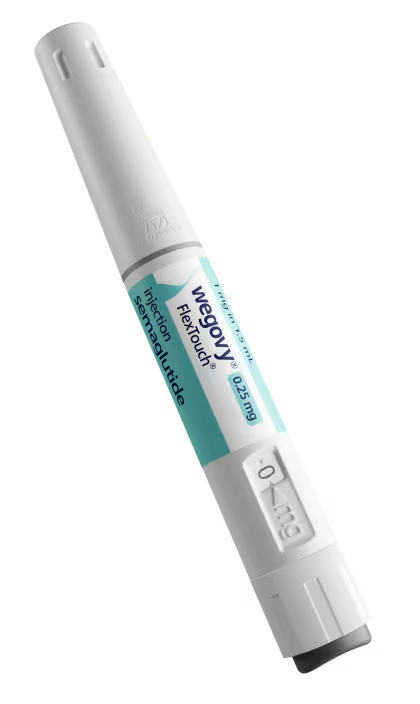
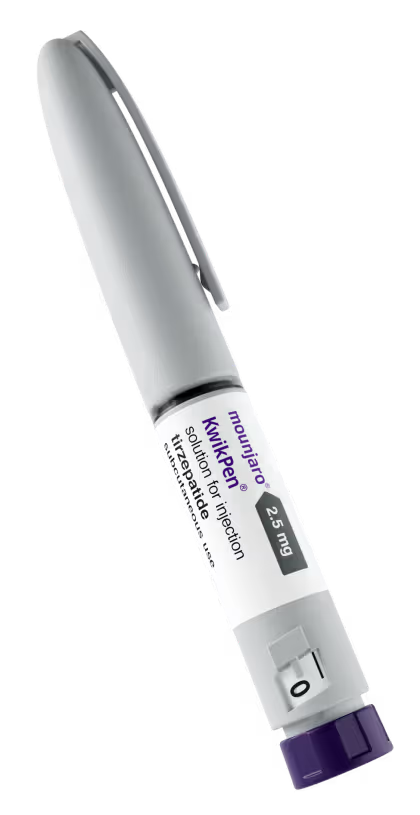
If you've made consistent changes to your eating habits and exercise routine and still aren't seeing progress, it's worth having an honest conversation about whether medical support might help. GLP-1 medications like Mounjaro (tirzepatide) and Wegovy (semaglutide) work by reducing appetite and improving how your body responds to food. They aren't a shortcut, but they can make the underlying process of eating less significantly easier for people who struggle with persistent hunger or cravings.
Totiva offers pharmacist-led online consultations for weight loss, with access to treatments including Mounjaro (starting from £136.88) and Wegovy (from £92.88), as well as the newer oral semaglutide option (Wegovy tablets from £99.00 for 30 tablets). You can find out more about what's available and whether it might be appropriate for you on the Totiva weight loss service page.
Eligibility depends on your individual health profile, and a clinician will assess this properly during the consultation. For GLP-1 medications, this includes a short video call, which is a regulatory requirement in the UK.
What to Look for When Buying Coconut Water in the UK#
Not all coconut water is equal. Here's what to check on the label:
- No added sugar: Some brands add sugar or fruit juice concentrate. The ingredient list should say just "coconut water."
- No artificial sweeteners or flavourings: These are sometimes added to flavoured varieties.
- Packaging date: Freshness matters for flavour. Opt for brands with a longer shelf life or refrigerated options.
You'll find coconut water in most major UK supermarkets (Tesco, Sainsbury's, Waitrose, and Asda all stock it), as well as health food shops like Holland & Barrett. Brands like Vita Coco, Rebel Kitchen, and Innocent all offer unsweetened versions.
The Bottom Line#
Coconut water is a genuinely good choice as part of a healthy diet. It's hydrating, provides useful electrolytes, and is lower in calories and sugar than most alternatives. If you're currently reaching for juice or fizzy drinks regularly, swapping those out for coconut water is a straightforward improvement.
But it's not a weight loss solution in its own right. No single food or drink is. Sustained weight loss comes from consistent dietary habits, physical activity, adequate sleep, and sometimes medical support when those foundations aren't enough on their own.
If you're looking for that next step and want to explore whether clinical weight loss support is right for you, starting a free consultation with Totiva takes about 10 minutes and puts you in touch with UK pharmacists who can give you a proper, personalised assessment.
Medical Information: This article is for informational purposes only and does not constitute medical advice. Always consult a qualified healthcare professional before starting, stopping, or changing any treatment.