Are Bananas Good for Weight Loss? Plus Coffee and Porridge Explained
Bananas, coffee, and porridge are staples of the UK diet. But are they helping or hindering your weight loss? A pharmacist breaks it down.
Written and medically reviewed by:

Key Takeaways
Bananas, coffee, and porridge are all useful for weight loss when eaten sensibly. None are magic, but all support appetite control and calorie management as part of a balanced diet.
Bananas are good for weight loss. There, the short answer. But like most things in nutrition, the full picture is worth understanding, because how you eat them, what you pair them with, and where they sit within your overall diet matters a great deal more than whether you eat them at all.
The same is true of coffee and porridge, two other foods that get pulled into the weight loss debate constantly. All three are everyday UK staples, and all three are more useful than people often give them credit for.
Bananas and Weight Loss#
Bananas have picked up an unfair reputation for being too sugary or too high in calories for anyone trying to lose weight. In reality, a medium banana contains around 90-100 calories, about 3g of fibre, and meaningful amounts of potassium (roughly 422mg), vitamin B6, and vitamin C. That is a solid nutritional profile for a portable snack that costs less than 20p.
The fibre content is particularly relevant here. Soluble fibre slows digestion, which means glucose enters the bloodstream more gradually. That translates to steadier energy levels and reduced hunger between meals, both of which support a calorie deficit without requiring willpower you may not have at 11am.
What About the Sugar?#
Yes, bananas contain natural sugars. A medium banana has around 14g of them. But natural sugars in whole fruit come packaged with fibre, water, and micronutrients, which changes how your body processes them compared to the refined sugar in a biscuit or a can of fizzy drink.
The glycaemic index (GI) of a banana is actually lower than most people assume, particularly if it is slightly underripe. Unripe bananas are higher in resistant starch, a type of starch that resists digestion in the small intestine and behaves more like fibre. As bananas ripen, that resistant starch converts to simpler sugars and the GI rises. So if blood sugar management is a concern for you, slightly greener bananas are worth considering.
Can Bananas Target Belly Fat?#
No food can target fat loss in a specific area of the body. That is not how human physiology works. But bananas can absolutely support the conditions that lead to overall fat loss, including reduced appetite, better digestion, and fewer high-calorie snack choices throughout the day.
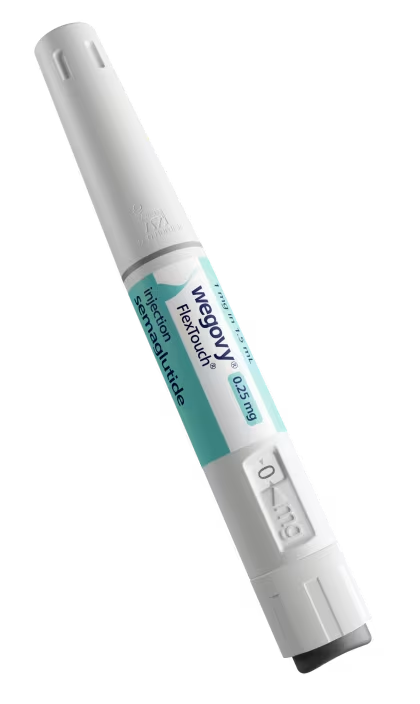
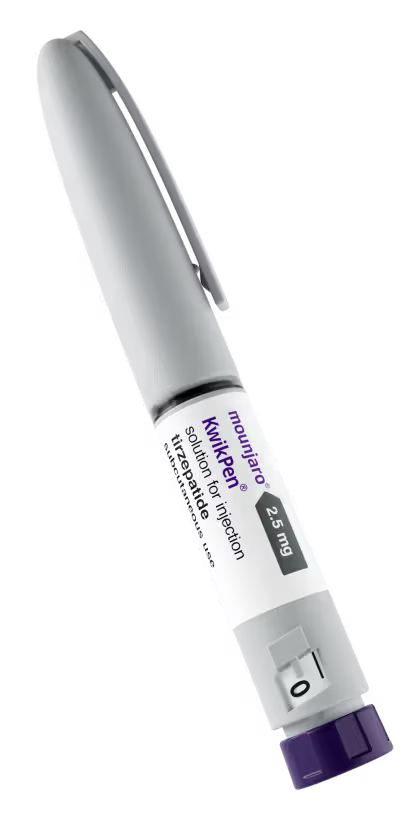
For people managing weight with GLP-1 medications like Wegovy or Mounjaro, bananas are a sensible choice. They are easy to eat when appetite is reduced, provide quick energy, and are gentle on the digestive system. If you are on or considering one of these treatments, Totiva's weight loss service includes pharmacist-led consultations to help you manage your diet alongside your medication.
How Many Bananas Per Day?#
One to two bananas a day is a reasonable amount for most people. The NHS recommends eating five portions of fruit and vegetables daily, and a medium banana counts as one portion. Eating three or four bananas daily is unlikely to cause harm, but at that point you are taking up a lot of your fruit quota with one food when variety has real benefits.
Pair a banana with protein, such as Greek yoghurt, a handful of almonds, or a boiled egg, and you will significantly improve its staying power as a snack.
What Fruit is Best for Fat Loss?#
Berries consistently come out on top in the research. Blueberries, raspberries, and strawberries are low in calories, high in fibre, and rich in antioxidants. Grapefruit has some evidence behind it for appetite regulation, though the effect is modest. Apples are filling, portable, and well-studied.
Bananas sit comfortably in this group. They are not the lowest-calorie fruit, but they are nutritious, affordable, and genuinely filling, which makes them a practical choice for most people.
Is Coffee Good for Weight Loss?#
Coffee is one of the most scrutinised drinks in the weight loss world, and for understandable reasons. It contains caffeine, which has measurable effects on metabolism, appetite, and exercise performance.
What Caffeine Actually Does#
Caffeine works by blocking adenosine, a neurotransmitter that makes you feel drowsy. When adenosine is blocked, you feel more alert. This is the core mechanism, and it is well-established.
In terms of metabolism, caffeine does increase your resting metabolic rate, the number of calories your body burns at rest. Some research suggests this effect can be meaningful, particularly in the short term. Reviews of randomised controlled trials have found associations between caffeine intake and lower body weight and BMI, though the effect sizes are modest and caffeine is not a substitute for dietary changes.
One important caveat: if you drink coffee every day, your body develops tolerance to many of caffeine's effects. The metabolic boost you get from your first-ever cup of coffee is not the same as the one you get from your fourth cup on a Thursday in the office.
Coffee and Appetite#
Caffeine has some evidence behind it for short-term appetite suppression. It may reduce feelings of hunger in the hours after consumption, which could theoretically help you eat less. But this effect is variable and tends to diminish with regular use.
More practically, black coffee or Americano is almost zero calories. Problems arise when coffee becomes a vehicle for sugar and full-fat milk. A flat white from a coffee shop contains roughly 100-150 calories. A large oat milk latte with a syrup shot can push past 300. If you are drinking two or three of those per day, the calorie contribution adds up in a way that most people do not account for.
Coffee and Sleep#
This is the aspect of coffee that matters most for weight loss and gets discussed the least. Poor sleep is strongly associated with increased appetite, particularly for high-calorie foods, and with higher levels of ghrelin (the hunger hormone) and lower levels of leptin (the satiety hormone).
If caffeine is disrupting your sleep, it may be undoing any metabolic or appetite-related benefits it offers during the day. The NHS and the Food Standards Agency both advise no more than 400mg of caffeine per day for most healthy adults. That is roughly four standard cups of coffee. Pregnant women should stay under 200mg.
If you are having coffee after 2pm and struggling to sleep, cutting that habit is probably more useful for weight loss than any direct effect the coffee itself might have.
Coffee and Exercise#
One area where caffeine has solid evidence is exercise performance. Caffeine taken before training can improve endurance, strength output, and perceived effort. If a pre-workout coffee helps you train harder or for longer, and you burn more calories as a result, that is a real and meaningful benefit.
A cup of black coffee 30-60 minutes before exercise is a practical, low-cost way to use this effect.
The Bottom Line on Coffee#
Coffee is not a weight loss treatment, but it is not working against you either, provided you drink it without large amounts of sugar and milk, and it is not disrupting your sleep. Black coffee, or coffee with a splash of semi-skimmed milk, is a reasonable daily habit.
Is Porridge Good for Weight Loss?#
Yes, genuinely. Porridge is one of the better breakfast choices available if you are trying to manage your weight, and the science behind it is more interesting than most people realise.
Beta-Glucan: The Reason Oats Work#
Oats contain a type of soluble fibre called beta-glucan. When it reaches your gut, beta-glucan forms a thick gel that slows the movement of food through your digestive system. This has two direct effects on weight management: it prolongs the feeling of fullness after eating, and it slows glucose absorption, which reduces blood sugar spikes and the subsequent crash that drives mid-morning cravings.
Clinical studies have consistently shown that beta-glucan reduces post-meal hunger and can lead to lower calorie intake later in the day. For anyone who tends to feel hungry again an hour after breakfast, oats are worth trying.
Oats also have a low glycaemic index compared to most breakfast cereals, toast made from white bread, or pastries. They release energy slowly, which supports steadier appetite across the morning.
Where People Go Wrong With Porridge#
Portions are the main issue. A weight-loss-friendly serving of porridge is typically 40-50g of dry oats. Most people, using a large bowl, serve themselves considerably more without realising. Measured portions matter more than most people expect.
Milk choice also has a significant impact. Making porridge with full-fat milk adds calories quickly compared to using water, semi-skimmed milk, or unsweetened plant-based alternatives. A mix of water and a small amount of milk is a practical middle ground.
Toppings are where porridge can quietly become a high-calorie meal. A tablespoon of honey adds around 60 calories with no meaningful effect on satiety. Maple syrup is similar. Flavoured syrup, brown sugar, and sugary granola all add calories while contributing little fibre or protein.
How to Build Porridge for Weight Loss#
The most effective porridge for weight management is built around protein. Adding a scoop of unflavoured protein powder, a tablespoon of nut butter, or serving it alongside eggs or Greek yoghurt significantly increases satiety and reduces the likelihood of eating more later in the morning.
For toppings, choose foods that add volume, fibre, or nutrients without many extra calories. Fresh or frozen berries are ideal. A small handful of mixed seeds adds omega-3s and protein. A sprinkle of cinnamon adds flavour with no calorie cost and some evidence suggests it may support blood sugar regulation.
Overnight Oats#
Overnight oats are worth a mention because they are a genuinely useful option for busy mornings. Soaking oats in liquid overnight partially breaks down the oats and increases the amount of resistant starch, which has similar properties to beta-glucan. Prepare them the night before with unsweetened almond milk, a handful of berries, and a spoon of Greek yoghurt, and you have a high-fibre, high-protein breakfast ready in the morning with no cooking required.
Got questions? Speak to a pharmacist on WhatsApp now
Prefer to browse first? View treatments
Putting It Together#
These three foods, bananas, coffee, and porridge, are not miracle weight loss tools. But they are also not the enemies they are sometimes made out to be. A breakfast of porridge with berries, followed by a banana as a mid-morning snack and a black coffee before lunch, is a nutritionally solid morning that supports appetite control, stable energy, and an easier path to a calorie deficit.
For many people, dietary changes like these form the foundation of sustainable weight loss. For others, particularly those with a BMI over 30 or weight-related health conditions, prescription treatment alongside a healthy diet can make a meaningful difference.
If you are finding it difficult to lose weight through diet alone, it may be worth exploring whether a GLP-1 medication like Mounjaro or Wegovy could be appropriate for you. Totiva offers free online consultations with UK pharmacists, and you only pay if treatment is approved and you choose to proceed. You can start a weight loss consultation here.
Medical Information: This article is for informational purposes only and does not constitute medical advice. Always consult a qualified healthcare professional before starting, stopping, or changing any treatment.