Is Alli a Good Weight Loss Pill? Honest UK Evidence
Alli (orlistat 60mg) is the UK's only OTC weight loss pill. Here's what the evidence actually says about how well it works, who it suits, and how it compares to newer options.
Written by:

Medically reviewed by Chris Armstrong, MPharm
Key Takeaways
Alli (orlistat 60mg) is a legitimate OTC weight loss pill that blocks about a third of dietary fat. It produces modest results but is far less effective than prescription GLP-1 treatments like Wegovy or Mounjaro. It works best alongside a genuinely low-fat diet.
Alli is one of the most recognisable weight loss pills on UK pharmacy shelves, but whether it's the right choice for you depends on more than just availability. The short answer: yes, it works, but modestly, and only when paired with genuine dietary changes. If you're expecting dramatic results from a pill alone, it will disappoint. If you understand what it can realistically do, it can be a useful tool.
What Alli Is and How It Works#
Alli is the brand name for orlistat 60mg, available over the counter in UK pharmacies without a prescription. It's classified as a Pharmacy (P) medicine, meaning a pharmacist must briefly assess your suitability before you can buy it. The higher-dose version, orlistat 120mg, is sold as Xenical and requires a prescription from a GP or online pharmacy.
Orlistat works by blocking pancreatic and gastric lipase enzymes, the proteins your digestive system uses to break down dietary fat. When these enzymes are inhibited, roughly a third of the fat you eat passes through your gut undigested and is excreted rather than absorbed. That reduction in absorbed calories is what drives weight loss.
This is completely different from how newer prescription medicines work. Alli doesn't touch your appetite, your hunger hormones, or your brain's reward system. It simply prevents some of the fat in your food from getting into your bloodstream. That distinction matters when you're comparing options.
Who Can Buy Alli in the UK?#
To purchase Alli from a UK pharmacy, you need to:
- Be 18 or over
- Have a BMI of 28 or above
- Be willing to follow a reduced-calorie, lower-fat diet alongside treatment
- Not be pregnant or breastfeeding
The pharmacist will also ask about your current medications, as orlistat has some clinically important interactions (more on those shortly). If you have certain conditions, such as chronic malabsorption syndrome or cholestasis, you won't be eligible.
For Xenical (120mg orlistat) on prescription, eligibility typically requires a BMI of 30 or above, or 28 with a weight-related health condition such as type 2 diabetes or high blood pressure. NICE guidelines (CG189) recommend orlistat as part of a broader weight management plan, not as a standalone treatment.
NHS prescriptions for Xenical are available, though access varies by area and is subject to local commissioning decisions. For many people, the over-the-counter route via Alli is the more accessible starting point.
What the Clinical Evidence Shows#
Orlistat has a reasonably solid evidence base by the standards of weight loss medicines. The large XENDOS trial, which followed over 3,000 obese adults for four years, found that those taking orlistat 120mg alongside lifestyle changes lost significantly more weight than those on placebo alone, and had a substantially lower rate of progression to type 2 diabetes.
In shorter trials, people taking orlistat typically lose around 3 to 5kg more than those on diet and exercise alone after one year. That may not sound dramatic, but it's a consistent finding across multiple randomised controlled trials.
Alli (60mg) has somewhat less clinical data than Xenical (120mg), since the higher dose was studied first. However, the mechanism is the same, the difference is simply in the proportion of fat blocked. Real-world results with Alli tend to be modest, reflecting both the lower dose and the fact that adherence to a low-fat diet (which reduces side effects) also limits fat absorption anyway.
The key takeaway: Alli can meaningfully support weight loss, but it works best as part of a structured approach, not instead of one.
Side Effects Worth Knowing About#
The most talked-about aspect of orlistat is its digestive side effects, and they're worth being honest about.
Because undigested fat passes through your gut, eating a high-fat meal while taking Alli can result in:
- Oily or loose stools
- Urgent or more frequent bowel movements
- Oily spotting on underwear
- Flatulence with discharge
These effects are directly related to how much fat you eat. If you stick to meals where fat makes up no more than about 30% of calories (roughly 15g of fat per meal for most people), the digestive side effects are usually manageable. If you eat a greasy takeaway while taking Alli, you'll know about it.
For most people, these effects improve as they adapt their diet. But they're a real consideration, especially if you have an unpredictable schedule or are in situations where bathroom access isn't reliable.
Orlistat can also reduce absorption of fat-soluble vitamins (A, D, E, and K), so taking a multivitamin at bedtime (separate from your Alli dose) is recommended by the Summary of Product Characteristics.
Drug Interactions to Know About#
Orlistat has several clinically significant interactions that are worth flagging, particularly because they're not always covered thoroughly in pharmacy consultations:
Warfarin and anticoagulants: Orlistat can alter the absorption of vitamin K, which may affect INR levels in people on warfarin. More frequent monitoring is recommended if you're on blood thinners.
Levothyroxine: The BNF flags a potential interaction between orlistat and levothyroxine (used for an underactive thyroid), with a possible reduction in thyroid hormone absorption. If you take levothyroxine, it's worth taking it and orlistat at least four hours apart and discussing with your GP or pharmacist.
Ciclosporin: Orlistat significantly reduces ciclosporin exposure and is generally contraindicated in people taking this immunosuppressant.
Antiretrovirals: Some HIV medications may be affected by changes in fat absorption.
Contraceptive pill: Despite widespread concern, clinical studies have not found a meaningful interaction between orlistat and combined oral contraceptives. The absorption of oestrogen and progestogen does not appear to be significantly affected. However, if you experience severe diarrhoea while taking orlistat, the guidance is the same as with any GI illness: use additional contraception for that period.
Always mention all current medications when buying Alli from a pharmacist or via an online consultation.
Got questions? Speak to a pharmacist on WhatsApp now
Prefer to browse first? View treatments
How Alli Compares to Prescription Alternatives#
This is where the picture gets more complex. Alli sits at one end of a spectrum. At the other end are GLP-1 receptor agonist injections, and increasingly, oral GLP-1 options.
Here's an honest comparison:
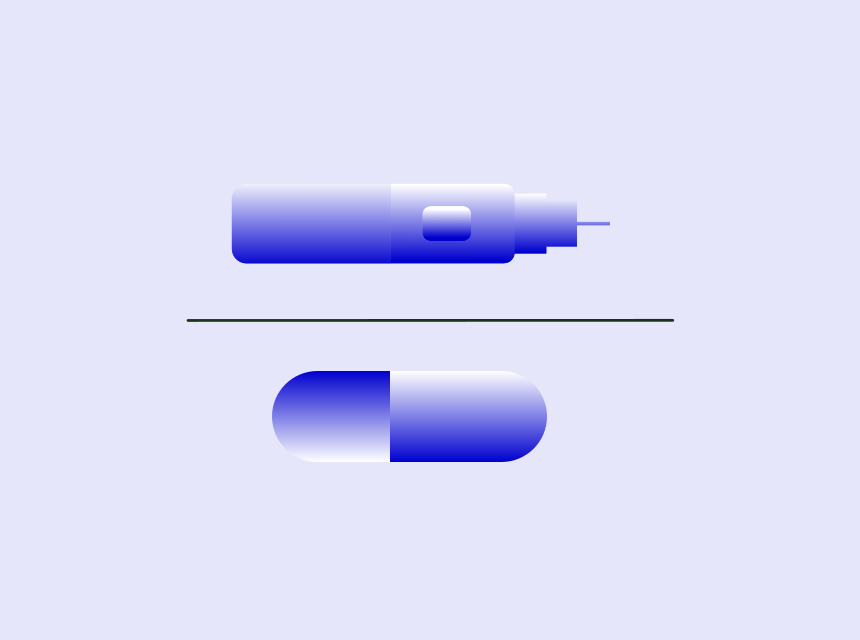
Alli (orlistat 60mg): Over the counter, BMI 28+, average additional weight loss of roughly 2.5kg versus placebo, works by blocking fat absorption, no appetite effect, digestive side effects are common.
Xenical (orlistat 120mg): Prescription only, higher dose, slightly better efficacy than Alli, same mechanism and side effect profile, can be prescribed on the NHS for eligible patients at no cost.
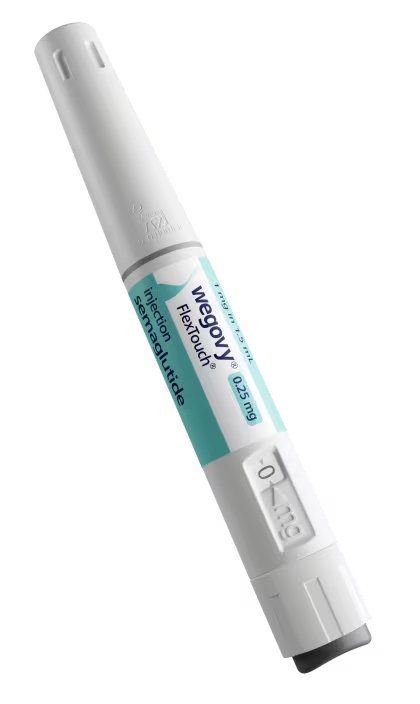
Wegovy (semaglutide injection): Prescription only, BMI 30+ (or 27+ with a weight-related condition), average weight loss of around 15% of body weight in clinical trials, works by mimicking GLP-1 to reduce appetite and slow gastric emptying. Available privately from pharmacies including Totiva's weight loss service, starting from £92.88 per injection.
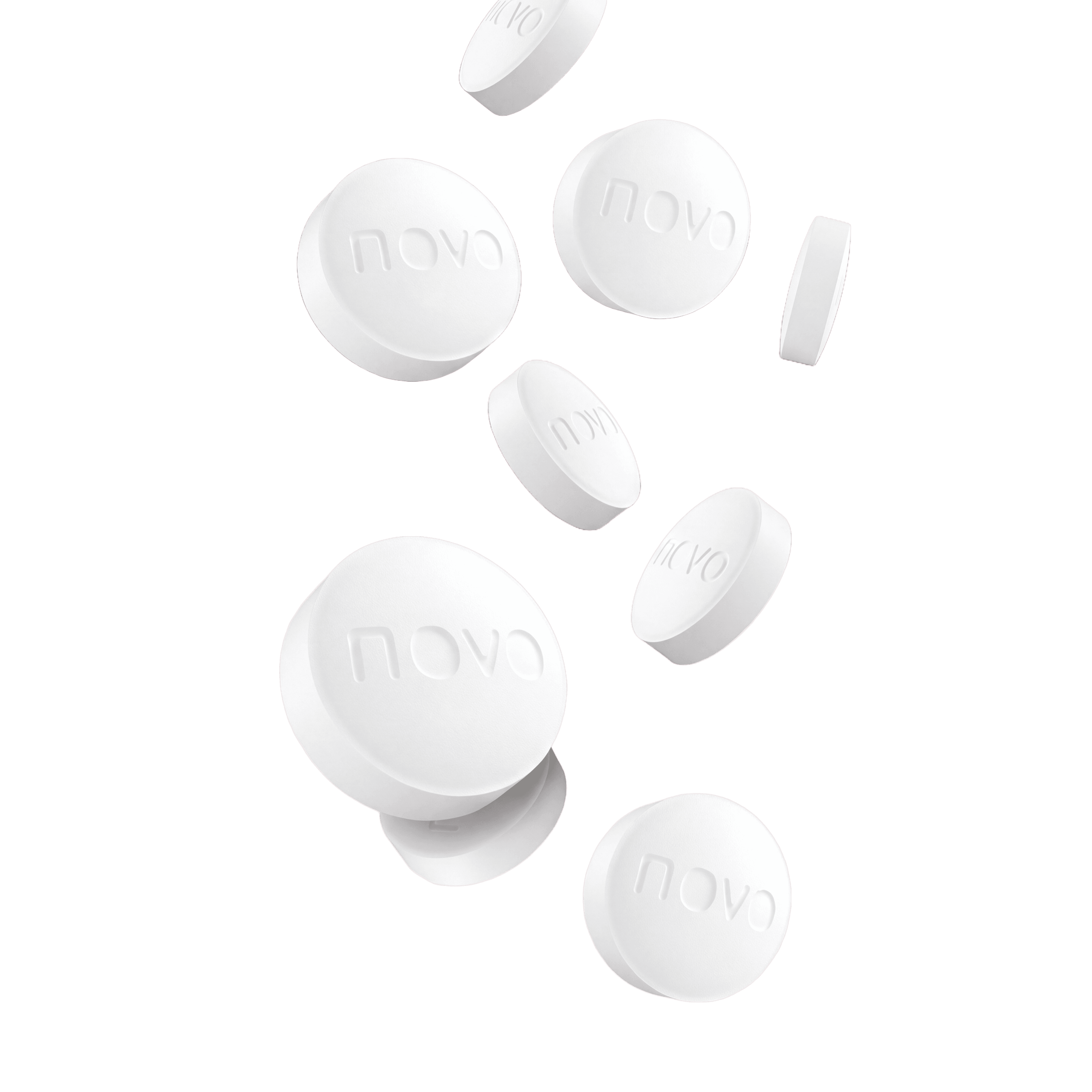
Wegovy tablets (oral semaglutide): The MHRA approved the first oral GLP-1 tablet for weight loss in the UK in 2025. Totiva offers Wegovy tablets as part of its weight loss programme, with results of around 17% body weight loss seen in trials. Prices start from £99.00 for a 30-tablet pack.
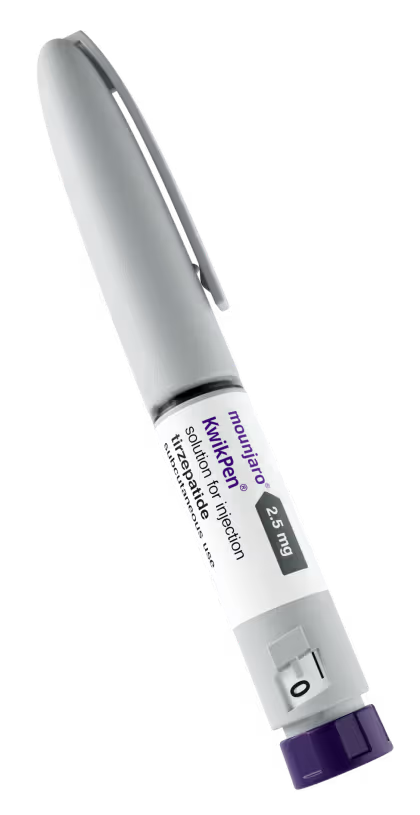
Mounjaro (tirzepatide): Prescription only, dual GIP/GLP-1 agonist, the highest average weight loss of currently available medicines (up to 22.5% of body weight in trials). Available via Totiva's weight loss service from £136.88 per injection.
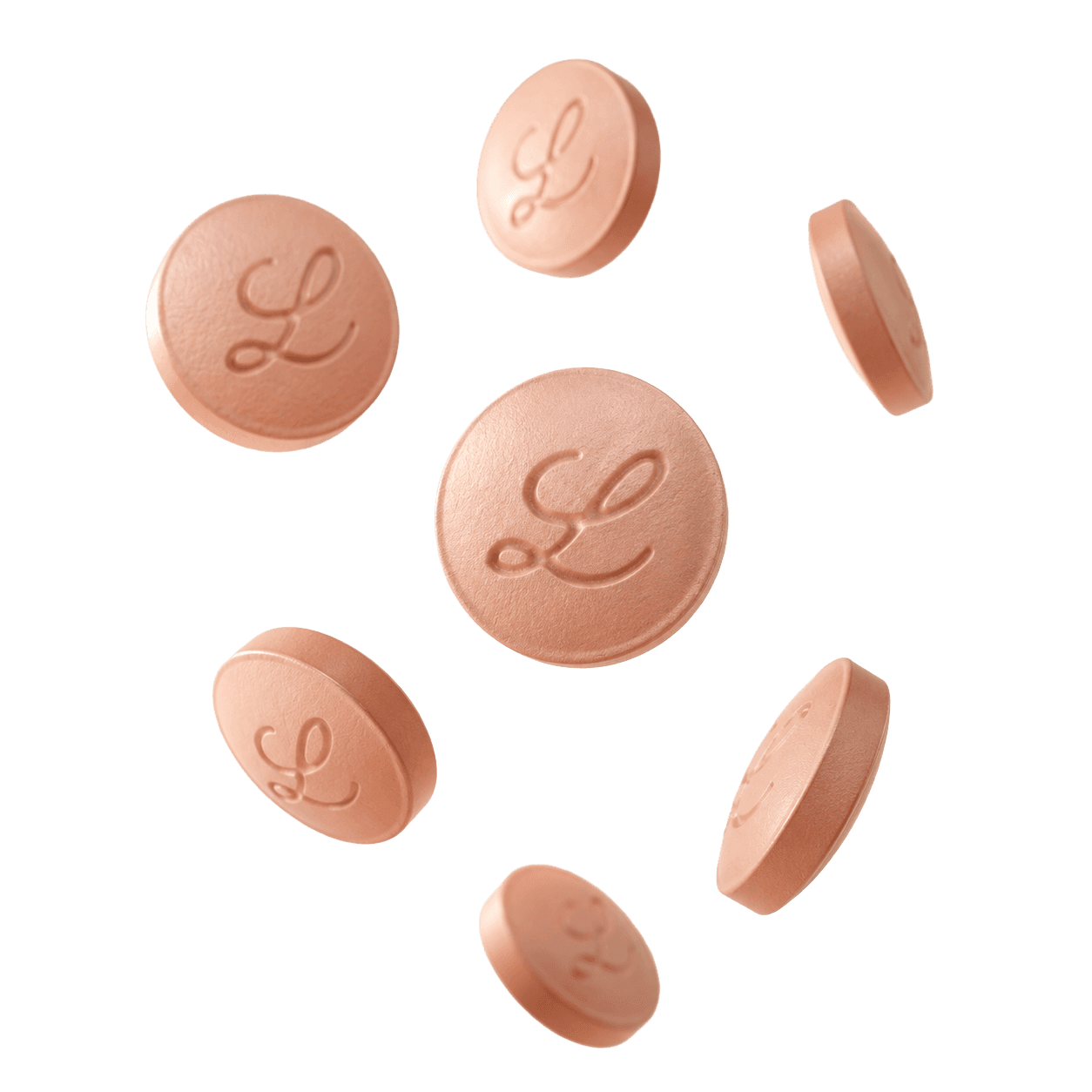
Foundayo: A newer oral option soon to be able available through Totiva, with average weight loss of around 11% of body weight. No injections, taken once daily.
The gap in efficacy between Alli and the newer prescription medicines is significant. That said, Alli is accessible without a GP appointment, costs less upfront, and carries no injection-related concerns. For some people, particularly those who are just above the BMI threshold or who want to try something while awaiting an NHS referral, it's a reasonable starting point.
What If Alli Stops Working?#
A plateau on any weight loss medicine is common. With orlistat specifically, this often happens because weight loss itself reduces calorie needs, and the amount of fat blocked stays roughly the same even as your overall intake may have drifted upward.
If you've been taking Alli for three months and haven't lost at least 5% of your starting weight, the clinical guidance is clear: it's not working well enough, and you should speak to a healthcare professional about alternatives. Continuing indefinitely on a medicine that isn't producing meaningful results isn't a good use of time or money.
At that point, stepping up to a prescription option is worth discussing. GLP-1 treatments like Wegovy or Mounjaro work via a completely different mechanism and consistently produce much greater weight loss. If you'd like to explore whether you're eligible, Totiva offers online pharmacist-led consultations with no upfront cost. You only pay if treatment is approved.
NHS Support and the Wider Picture#
It's worth knowing that weight management isn't just about pills. NICE guidelines (CG189 and the updated NG246) emphasise that any medication should sit alongside behavioural support, dietary changes, and increased physical activity.
NHS weight management services offer structured support, and for those who meet the criteria, Wegovy on the NHS is being rolled out through specialist weight management services in England. However, waiting lists are long in most areas, and not everyone meets the NHS thresholds for referral.
For people who don't qualify for NHS treatment or who don't want to wait, private routes offer faster access. If you want to understand your options properly, whether that's Alli from a local pharmacy, Xenical on prescription, or a GLP-1 medicine, starting a free consultation is a straightforward way to get a clear picture. Totiva's weight loss consultation is free, and a clinician reviews your answers, usually within 24 hours. You're not obligated to proceed if you're approved, and there's no video call required until you're ready to start a GLP-1 medicine.
Ready to see if treatment could work for you?
The Bottom Line#
Alli is a legitimate, licensed weight loss medicine with a real but modest evidence base. It works by blocking fat absorption, not by reducing appetite, and its effectiveness is closely tied to how consistently you follow a reduced-fat diet. For people who are prepared to make genuine dietary changes, who have a BMI of 28 or above, and who want an accessible starting point without a prescription, it's a reasonable option.
For those who have already tried orlistat, or whose BMI and health profile make them eligible for prescription treatment, the newer GLP-1 medicines offer substantially greater results. The choice between them isn't really about which pill is "best" in the abstract. It's about which option is appropriate for where you are right now.
Medical Information: This article is for informational purposes only and does not constitute medical advice. Always consult a qualified healthcare professional before starting, stopping, or changing any treatment.