Is Avocado Good For Weight Loss? A Pharmacist's Take
Avocados are high in fat, so should you avoid them when losing weight? We look at the evidence and what the research actually says.
Written and medically reviewed by:

Key Takeaways
Avocados are high in healthy fats and fibre, which support satiety and weight management rather than causing weight gain. Half an avocado daily is a reasonable amount for most people. Coffee has small metabolic benefits but is not a meaningful weight loss tool on its own.
Yes, avocado can be a genuinely useful food when you're trying to lose weight. That might sound odd given that avocados are one of the fattiest fruits you can eat, but the type of fat matters enormously. The evidence points in a consistent direction: the unsaturated fats in avocado support weight management rather than working against it.
This article covers why that is, how many calories are actually in an avocado, and how to fit them into a practical British diet without overthinking it.
Why Fat Doesn't Automatically Mean Weight Gain#
There's a persistent idea that eating fat makes you fat. It's understandable, but it's an oversimplification. The NHS Eatwell Guide recommends including unsaturated fats as part of a balanced diet, and avocados are one of the best sources of these going.
Dietary fat broadly falls into two camps. Saturated fats, found in butter, full-fat dairy, and processed meat, can raise LDL cholesterol and contribute to weight gain when eaten in excess. Unsaturated fats, which include monounsaturated and polyunsaturated types, have a very different profile. They support heart function, help absorb fat-soluble vitamins like A, D, and E, and play a role in keeping you full after eating.
Avocados are rich in oleic acid, a monounsaturated fatty acid also found in olive oil. Oleic acid has been linked to reduced inflammation, lower LDL cholesterol, and better appetite regulation. It's the same fat that makes the Mediterranean diet so consistently well-regarded in the research literature.
So when people say avocado is high in fat, they're technically right. But it's the kind of fat your body uses well.
What the Research Actually Shows#
The evidence on avocados and weight loss is more robust than you might expect. Several well-designed studies have looked at this specifically.
One randomised controlled trial found that adults who ate a whole avocado at breakfast reported feeling full for 18% longer than those who had a lower-fat, lower-fibre breakfast of equal calories. That satiety effect matters in practice, because feeling satisfied after meals tends to reduce snacking and overall calorie intake across the day.
Another study published in the Journal of Nutrition found that regular avocado consumption was associated with lower BMI, smaller waist circumference, and reduced body weight compared to people who didn't eat avocados. The researchers noted that avocado eaters also tended to have better diet quality overall, which is worth bearing in mind when interpreting results.
Avocados also contain roughly 6-7g of fibre per half fruit. Fibre slows digestion, blunts blood sugar spikes after meals, and contributes to feelings of fullness. For the large number of UK adults who are pre-diabetic or living with type 2 diabetes, this glycaemic benefit is particularly relevant. Foods with a lower glycaemic impact reduce the sharp insulin rises that can encourage fat storage over time.
How Many Calories Are in an Avocado?#
A whole medium avocado contains around 230-250 calories, depending on size. Half an avocado comes in at roughly 120 calories. Here's how that compares to some common British breakfast options:
| Food | Approximate Calories |
|---|---|
| Half an avocado | 120 kcal |
| Two slices of white toast with butter | 200-230 kcal |
| Bowl of cornflakes with semi-skimmed milk | 180-200 kcal |
| Full English breakfast (café portion) | 800-1,000 kcal |
| Avocado on two slices of wholegrain toast | 300-340 kcal |
Avocado on wholegrain toast, a meal that's become practically a staple in British cafés, is actually a nutritionally solid choice. The wholegrain bread adds more fibre, the avocado provides healthy fats and potassium, and the combination keeps blood sugar steadier than a bowl of cereal would.
Calories matter, but they don't tell the whole story. Two foods can have the same calorie count with completely different effects on hunger, blood sugar, and energy levels. Avocado's calorie density is higher than, say, cucumber, but the nutritional return per calorie is considerable.
Other Health Benefits Worth Knowing#
Potassium#
Avocados contain more potassium than bananas, which surprises most people. Potassium supports healthy blood pressure, helps kidneys function properly, and counteracts some of the effects of excess sodium in the diet. For anyone trying to reduce blood pressure alongside losing weight, this is a useful bonus.
Heart Health#
The research on avocados and cholesterol goes back a long way. Studies have consistently shown that avocado consumption lowers LDL (the "bad" cholesterol) and raises HDL (the "good" cholesterol). One study found that a diet high in avocado fat was actually better for cholesterol levels than a low-fat, high-carb alternative.
Antioxidants#
Avocados contain lutein and zeaxanthin, two antioxidants primarily associated with eye health. They also help your body absorb antioxidants from other foods eaten at the same meal. Adding avocado to a salad, for example, increases the absorption of fat-soluble vitamins and carotenoids from the vegetables.
Can You Eat Avocado Every Day?#
For most people, yes. There's no clinical reason to avoid daily avocado consumption if it fits within your overall calorie intake. The NHS recommends five portions of fruit and vegetables a day, and half an avocado counts as one of those portions.
The practical question is portion size. Half an avocado at a sitting is a reasonable amount that delivers the nutritional benefits without pushing your calorie intake too high. Eating a whole avocado daily alongside a calorie surplus in the rest of your diet won't produce weight loss, but that's true of any food.
If you're using avocado to replace less nutritious options, such as swapping butter or cream cheese for avocado on toast, you're likely to see a net benefit.
Got questions? Speak to a pharmacist on WhatsApp now
Prefer to browse first? View treatments
How to Eat More Avocado in a British Context#
Avocados are more affordable than they used to be. In some UK supermarkets you can find them for 50-90p each (Aldi and Lidl often have them at the lower end), which makes them accessible even on a tighter budget.
Here are a few practical ways to include them:
- Avocado on wholegrain toast - The British staple. Use Warburtons or a seeded loaf for extra fibre. Add a poached egg for protein and you have a breakfast that sustains you properly through the morning.
- Mashed into a sandwich - Replace mayo or butter with mashed avocado. It works particularly well with chicken or tinned tuna.
- Guacamole as a dip - Mash with lime juice, a little salt, and chilli. Use as a dip with vegetable sticks rather than crisps.
- In salads - Sliced avocado in a salad adds healthy fat and improves the absorption of nutrients from the other vegetables.
- Blended into a smoothie - Half an avocado blended with spinach, banana, and oat milk gives you a filling, nutrient-dense drink without added sugar.
A quick note on timing: avocados eaten earlier in the day, particularly at breakfast or lunch, make good use of their satiety effects. If you're eating avocado at dinner, the fibre and fat are still beneficial, but you lose some of the appetite-regulating advantage across the day.
What About Coffee and Weight Loss?#
While we're on the subject of everyday foods and drinks that people hope will support weight loss, coffee comes up constantly. The short answer is that coffee has modest, real effects on metabolism and appetite, but it's not a weight loss tool in its own right.
Caffeine works by blocking adenosine, a neurotransmitter that makes you feel drowsy. Beyond alertness, it does appear to increase resting metabolic rate slightly and may enhance fat oxidation during exercise. A review of randomised controlled trials found that caffeine intake was associated with lower body weight and BMI, though the effect sizes were modest.
Coffee may also reduce appetite in the short term for some people. One study found that consuming coffee before a meal led to reduced calorie intake at that meal, though the effect wasn't consistent across all participants.
The complication for UK coffee drinkers is what goes into the coffee. A plain Americano from Costa or Nero has fewer than 20 calories. A large latte with full-fat milk and a shot of syrup can top 300 calories. If you're having two or three of those a day and wondering why weight loss has stalled, the coffee itself isn't the problem but the additions certainly are.
Decaffeinated coffee is worth a mention. Decaf retains many of coffee's other compounds, including chlorogenic acids that may have some metabolic benefit. If you're sensitive to caffeine or trying to reduce your intake for sleep reasons, decaf is a reasonable choice and likely retains some (though not all) of the metabolic benefits associated with regular coffee.
The NHS advises healthy adults to stay under 400mg of caffeine per day, which is roughly four standard cups of brewed coffee. Exceeding this regularly can disrupt sleep, and poor sleep is one of the more underappreciated drivers of weight gain.
When Diet Alone Isn't Moving the Needle#
Avocados, coffee, and other dietary tweaks can contribute to a weight management plan, but for some people these changes aren't sufficient on their own. If you've tried adjusting your diet and exercise habits consistently and weight isn't shifting, it's worth speaking to a clinician.
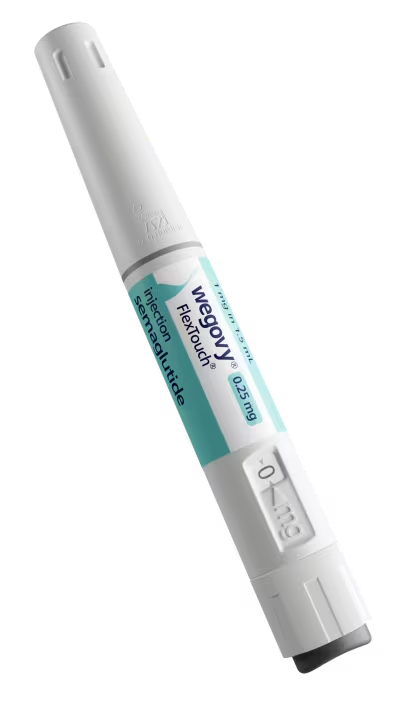
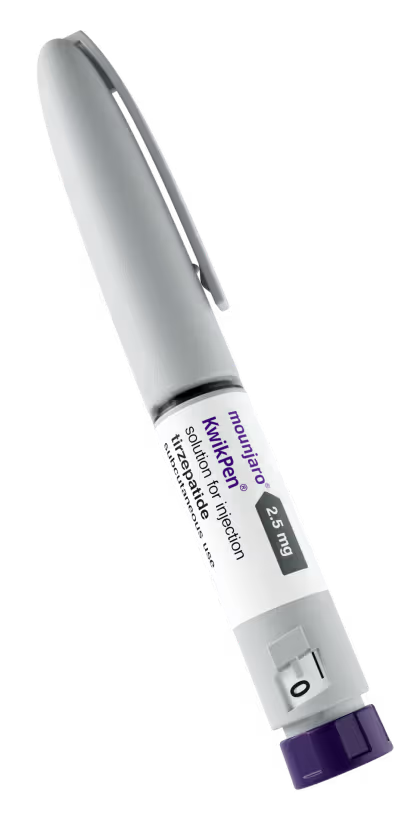
NICE guidelines recognise that obesity is a complex condition influenced by genetics, hormones, gut health, and other factors that diet alone can't always override. GLP-1 medications like Mounjaro (tirzepatide) and Wegovy (semaglutide) work by regulating appetite hormones, slowing gastric emptying, and improving insulin sensitivity. In clinical trials, Mounjaro has been associated with up to 22.5% body weight loss, and Wegovy with up to 15%.
These aren't quick fixes, and they're not suitable for everyone. But for eligible adults, they can provide a significant clinical benefit alongside dietary and lifestyle changes.
If you're curious whether a prescription weight loss treatment might be appropriate for you, Totiva's weight loss service offers pharmacist-led online consultations for adults aged 18-74. The consultation is free, and you only pay if a clinician approves treatment and you decide to proceed. GLP-1 medications do require a short video call before the first prescription, which is a UK regulatory requirement, but repeat prescriptions don't need another call.
Ready to see if treatment could work for you?
The Bottom Line#
Avocados are not a diet food in the marketing sense, but they are a genuinely good food for weight management. Their combination of healthy fats, fibre, and micronutrients supports satiety, heart health, and overall dietary quality. Eating half an avocado daily is perfectly sensible for most people and fits comfortably within NHS dietary guidance.
Coffee has modest benefits for metabolism and may slightly reduce appetite, but the effect is small and easily offset by high-calorie coffee drinks. Stick to plainer preparations if weight loss is the goal.
Neither avocado nor coffee will transform your weight on their own. But both can be part of a well-constructed diet, and sometimes that's exactly the kind of straightforward reassurance people need.
If you'd like to explore whether a structured weight loss programme or prescription treatment is right for you, Totiva's free online consultation is a good place to start.
Medical Information: This article is for informational purposes only and does not constitute medical advice. Always consult a qualified healthcare professional before starting, stopping, or changing any treatment.