Low-Calorie Slow Cooker Recipes for Weight Loss
Slow cooker meals can make calorie-deficit eating far easier. Here are practical UK-adapted recipes under 500 calories, with food safety and protein tips.
Written by:

Medically reviewed by Callum Armstrong, MPharm, Independent Prescriber (IP)
Key Takeaways
Slow cooker meals under 500 calories make calorie-deficit eating easy. Aim for 350–500 kcal per main meal with at least 30–40g protein. Batch cook safely, portion by weight, and you have most of the week's dinners sorted.
Slow cookers are genuinely useful for weight loss. They turn cheap, lean ingredients into filling, flavoursome meals with almost no effort, and they're ideal for batch cooking. Most well-balanced slow cooker meals sit comfortably under 500 calories per serving, which makes them easy to fit into a daily calorie target.
What calorie target should you aim for?#
A calorie deficit means eating less than your body burns each day. The NHS recommends a deficit of around 500 calories below your Total Daily Energy Expenditure (TDEE) as a safe starting point, which typically produces about 0.5 kg of weight loss per week.
Your personal calorie target depends on your age, height, current weight, and activity level — there is no single figure that applies to everyone. Tools like the NHS BMI calculator and the NHS 12-week weight loss plan can help you work out an individual target based on your TDEE.
For slow cooker meal planning, aiming for main meals of 350–500 calories per serving gives you room for breakfast and snacks without going over your daily target.
Five UK-friendly recipes under 500 calories#
All calorie counts below are approximate per serving and based on standard UK supermarket ingredients.
| Recipe | Approx. calories | Protein | Key ingredients |
|---|---|---|---|
| Chicken and chickpea stew | 340 kcal | 38g | Chicken breast, tinned chickpeas, chopped tomatoes, peppers |
| Turkey and red lentil dhal | 380 kcal | 35g | Turkey mince, red lentils, spinach, cumin, coriander |
| Beef and butter bean casserole | 420 kcal | 40g | Lean braising steak, butter beans, carrots, onion, beef stock |
| Vegetable and cannellini bean soup | 220 kcal | 14g | Mixed veg, cannellini beans, chopped tomatoes, rosemary |
| Cod and sweet potato curry | 390 kcal | 36g | Cod fillets, sweet potato, light coconut milk, frozen peas |
These recipes follow the NHS Eatwell Guide proportions: roughly a third vegetables or salad, a portion of lean protein, and a moderate carbohydrate source such as pulses, potato, or wholegrains.
How to keep calories down without losing flavour#
The slow cooker already works in your favour here. Long, slow cooking extracts flavour from onions, garlic, herbs, and spices without needing much fat. A few practical swaps make a real difference:
- Use lean cuts: chicken breast, turkey mince, or lean braising steak trim 100–200 calories compared with fattier alternatives per serving.
- Swap cream for light coconut milk or low-fat yoghurt stirred in at the end. This keeps sauces creamy without adding large amounts of saturated fat.
- Bulk out with pulses: chickpeas, lentils, and beans add fibre and protein and are filling, but they cost very little per serving. Hitting the NHS fibre target of 30g per day becomes much easier when pulses feature regularly.
- Watch braising liquids: recipes using wine or cider add alcohol calories that are easy to overlook. A 125 ml glass of white wine adds around 95 calories. Swap for extra stock and a splash of apple cider vinegar if you want to reduce this.
- Go easy on oil: one teaspoon of olive oil for softening onions adds only about 40 calories. Sautéing in a small amount rather than a generous pour makes a meaningful difference across a week.
Getting enough protein on a calorie deficit#
Protein deserves particular attention when you're eating in a deficit. Without enough protein, your body is more likely to lose muscle alongside fat. The UK reference nutrient intake for protein is 0.75 g per kilogram of bodyweight per day, though higher intakes — in the range of 1.2–1.6 g per kilogram — are often recommended for specific groups such as older adults or those engaged in regular resistance training. If you have kidney problems or another relevant health condition, speak to your GP or a registered dietitian before significantly increasing your protein intake.
For most adults, each main meal should contain at least 30–40g of protein to support muscle preservation during active weight loss. The recipes in the table above all clear this bar when portion sizes are followed. Chicken breast, cod, turkey mince, and lentils are all affordable in UK supermarkets and hold up well in a slow cooker without drying out.
If you want more ideas on high-protein, lower-calorie foods that work well in slow cooker meals, the Totiva guide on high-protein, low-calorie foods for weight loss covers this in detail.
Batch cooking safely#
Slow cooker batch cooking is practical, but food safety matters. Food Standards Agency guidance recommends cooling cooked food to room temperature as quickly as possible and refrigerating it within one to two hours. Divide large batches into smaller containers so they cool quickly rather than sitting in a deep pot.
Refrigerated slow cooker meals are safe for up to three days. Freeze portions you won't eat within that window. When reheating, make sure food reaches 75°C all the way through, not just on the surface. Stir soups and stews partway through reheating to ensure even heat distribution.
These rules are especially important for people with type 2 diabetes or weakened immune systems, who are at higher risk from foodborne illness.
Got questions? Speak to a pharmacist on WhatsApp now
Prefer to browse first? View treatments
Slow cooker meals and weight loss medication#
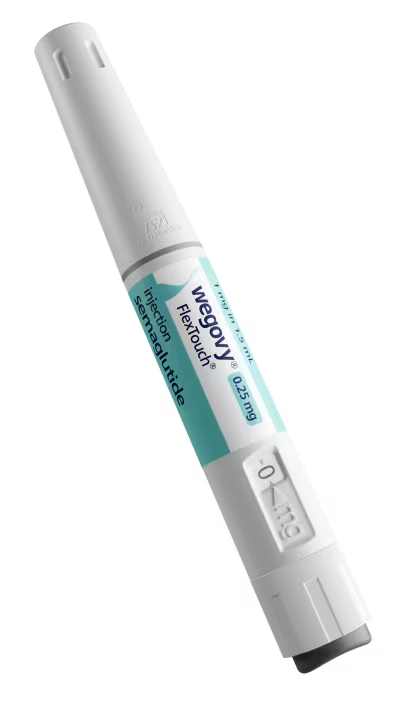
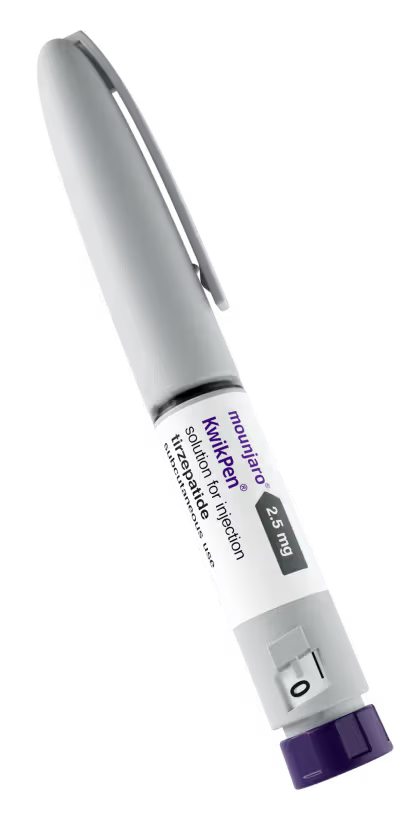
If you are taking a weight loss medication such as Wegovy (semaglutide, a GLP-1 receptor agonist) or Mounjaro (tirzepatide, a dual GLP-1 and GIP receptor agonist), slow cooker meals fit particularly well into your diet. These medications work on appetite-related pathways, so meals need to work hard on protein and nutrient density within a smaller volume.
Protein-first slow cooker dishes, like the turkey dhal or chicken stew above, deliver high satiety per calorie. Soups and stews may also be easier to manage during the early weeks of treatment if nausea is a factor, though individual tolerance varies and your prescribing clinician can advise on dietary approaches during this period. The key is keeping portion sizes honest: weigh your cooked portion rather than estimating, as appetite cues can become less reliable when appetite-suppressing medication is involved.
You can find out more about how calorie deficit eating supports medication-assisted weight loss at the Totiva weight loss service page.
Portioning accurately#
One of the most common reasons slow cooker batch cooking doesn't support weight loss is inaccurate portioning. Divide your slow cooker batch into equal portions immediately after cooking, before refrigerating, and weigh them. A kitchen scale costs under £10 and removes the guesswork that can silently add hundreds of calories a week.
If you're unsure how a calorie deficit translates into weekly progress, the Totiva article on how long a 1,000-calorie deficit takes to work explains the maths in plain terms.
For personalised advice tailored to your health history, an NHS dietitian (accessible via GP referral) or an HCPC-registered private dietitian can review your calorie target and meal plan.
Medical Information: This article is for informational purposes only and does not constitute medical advice. Always consult a qualified healthcare professional before starting, stopping, or changing any treatment.