How to Flush Tadalafil (Cialis) Out of Your System
You cannot speed up tadalafil clearance, but knowing its 17.5-hour half-life helps you plan around side effects, surgery and drug interactions.
Written and medically reviewed by:

Key Takeaways
You cannot speed up tadalafil clearance. It takes 3.5 to 4 days to be substantially gone after your last dose. Liver-inhibiting medicines like clarithromycin can extend that window.
You cannot flush tadalafil out of your system faster than your body will naturally clear it. No amount of water, exercise, or special food changes how quickly the drug leaves your bloodstream. Your liver does the work, and it works at its own pace.
That said, understanding the timeline is genuinely useful, whether you are dealing with a side effect, preparing for surgery, or wondering whether it is safe to take another medicine.
How long tadalafil actually stays in your body#
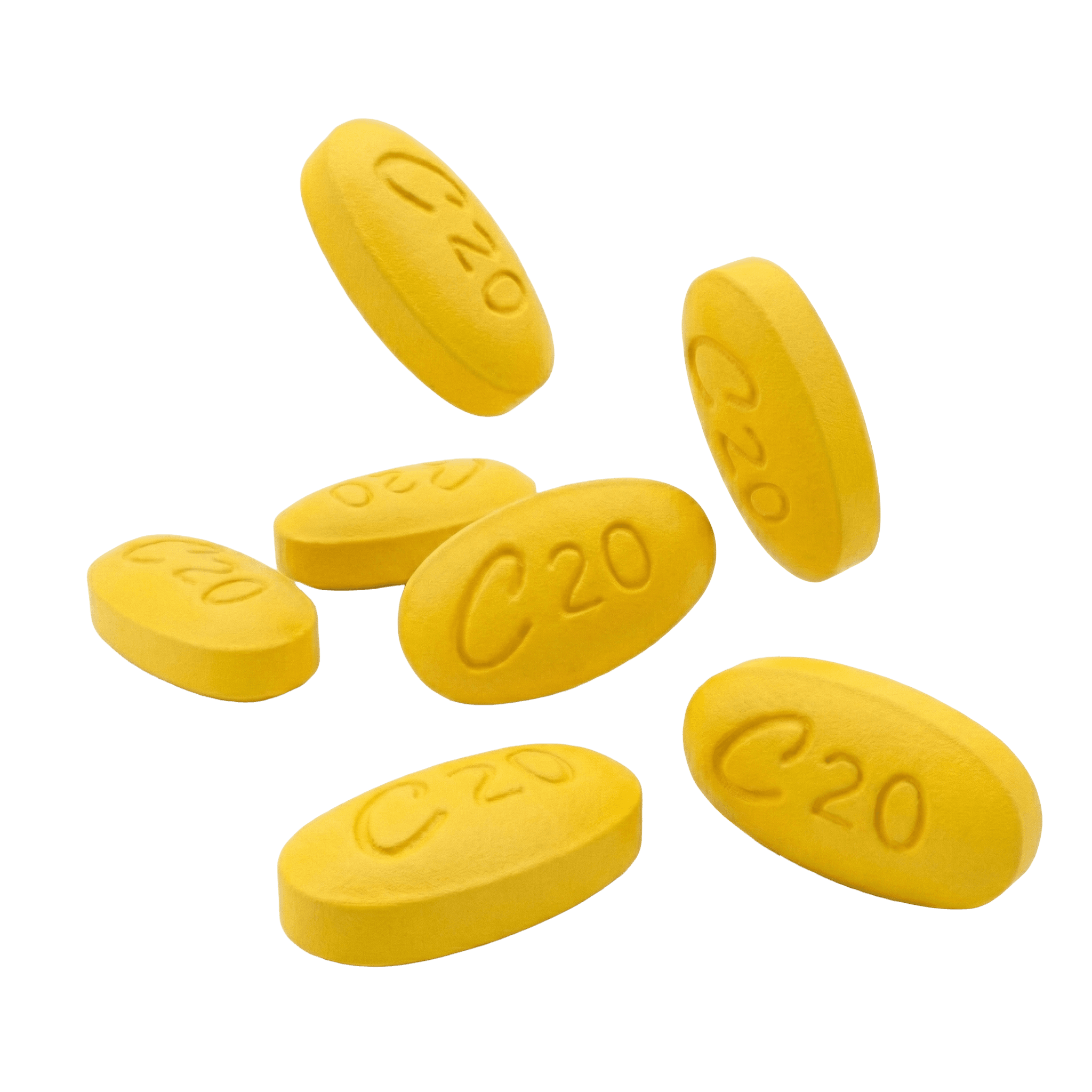
Tadalafil has a half-life of roughly 17.5 hours. That means every 17.5 hours, the amount in your blood roughly halves. Drugs are considered substantially cleared after five half-lives, which puts tadalafil at around 3.5 to 4 days after your last dose.
Here is what that looks like in practice:
| Time after last dose | Approx. tadalafil remaining |
|---|---|
| 17.5 hours | ~50% |
| 35 hours | ~25% |
| 52.5 hours (day 2) | ~12% |
| 70 hours (day 3) | ~6% |
| 87.5 hours (day 3.5–4) | ~3% (substantially cleared) |
"Substantially cleared" means pharmacologically inactive for most purposes. It does not mean zero detectable drug. Standard workplace drug screening panels do not test for tadalafil, so this is not a concern for most people.
Daily versus on-demand dosing: the clearance difference#
This matters more than most patients realise.
If you take tadalafil on demand (10 mg or 20 mg when needed), each dose clears in roughly 3.5 to 4 days, and the timeline above applies directly.
If you take daily low-dose tadalafil (2.5 mg or 5 mg every day), the drug builds up to a steady state in your blood over the first five days of use. When you stop, you are clearing that accumulated level, not just a single dose. The 3.5 to 4 day window still applies from your last tablet, but the starting concentration is higher. In practical terms, the pharmacological effect fades at a similar rate, but residual drug may linger slightly longer.
For surgery or a medical procedure, most UK anaesthetists and cardiologists advise stopping tadalafil at least 48 hours before, and often longer if you are also taking nitrates or alpha-blockers. Check with your surgical team directly, since guidance varies by procedure and individual risk.
Not sure which treatment is right for you?
What slows elimination#
Several things can extend how long tadalafil stays active in your body.
Tadalafil is broken down by a liver enzyme called CYP3A4. Any medicine that inhibits this enzyme slows that breakdown and raises tadalafil levels. Common UK-prescribed CYP3A4 inhibitors include:
- Clarithromycin (antibiotic, brand name Klaricid)
- Itraconazole (antifungal, brand name Sporanox)
- Ritonavir (HIV medication, brand name Norvir)
- Erythromycin (antibiotic — a moderate CYP3A4 inhibitor; the interaction with tadalafil is generally less pronounced than with clarithromycin or ritonavir, but should still be discussed with your prescriber)
If you have been prescribed any of these alongside tadalafil, tell your prescriber. Strong inhibitors such as clarithromycin and ritonavir can substantially increase tadalafil exposure — in some cases several-fold — raising the risk of side effects such as low blood pressure, flushing and headaches.
Liver disease also significantly slows clearance. If you have hepatic impairment, tadalafil may remain active for considerably longer than the standard 3.5 to 4 day estimate. Age is a factor too: men over 65 tend to clear tadalafil more slowly due to reduced liver and kidney function, though the difference is usually modest in otherwise healthy older adults.
Diabetes and cardiovascular disease do not directly slow tadalafil clearance, but they affect how well you tolerate the drug during the clearance window. If you are on nitrates for angina (such as GTN spray or isosorbide mononitrate), tadalafil is contraindicated, and the interaction risk persists throughout the clearance period.
Can drinking water or exercising help?#
No. This is one of the most common misconceptions about drug clearance.
Tadalafil is metabolised by the liver and excreted mainly via faeces (about 61%) with a smaller amount through urine. Drinking extra water does not meaningfully increase how quickly the liver processes it. Exercise does not speed up hepatic metabolism either. You cannot sweat it out, dilute it, or flush it through.
The only practical approach is time.
If you are experiencing side effects right now#
Most tadalafil side effects, such as headache, flushing, back pain and nasal congestion, are mild and resolve as the drug clears. They typically peak within a few hours of taking a dose.
Some situations require urgent action:
- Erection lasting more than 4 hours (priapism): Call 999 or go to A&E immediately. Priapism is a medical emergency that can cause permanent damage if untreated.
- Sudden vision loss or significant change in vision: Stop tadalafil and call 999. This is a rare but serious risk, particularly in men with certain cardiovascular risk factors.
- Chest pain, dizziness or fainting: Call 999. These can indicate a serious blood pressure drop, especially if you have taken nitrates.
For less urgent concerns, such as persistent headaches or indigestion, call NHS 111. A pharmacist (either at a high-street pharmacy or through an online service) can also advise on whether your symptoms are expected or warrant further review.
Got questions? Speak to a pharmacist on WhatsApp now
Prefer to browse first? View treatments
Stopping tadalafil safely#
For on-demand use, you simply stop taking it. There is no withdrawal effect and no need to taper the dose.
For daily tadalafil, stopping is also straightforward. Unlike some cardiovascular medicines, you do not need to reduce the dose gradually. Symptoms of whatever condition you were treating (ED or lower urinary tract symptoms) may return within a few days as the drug clears.
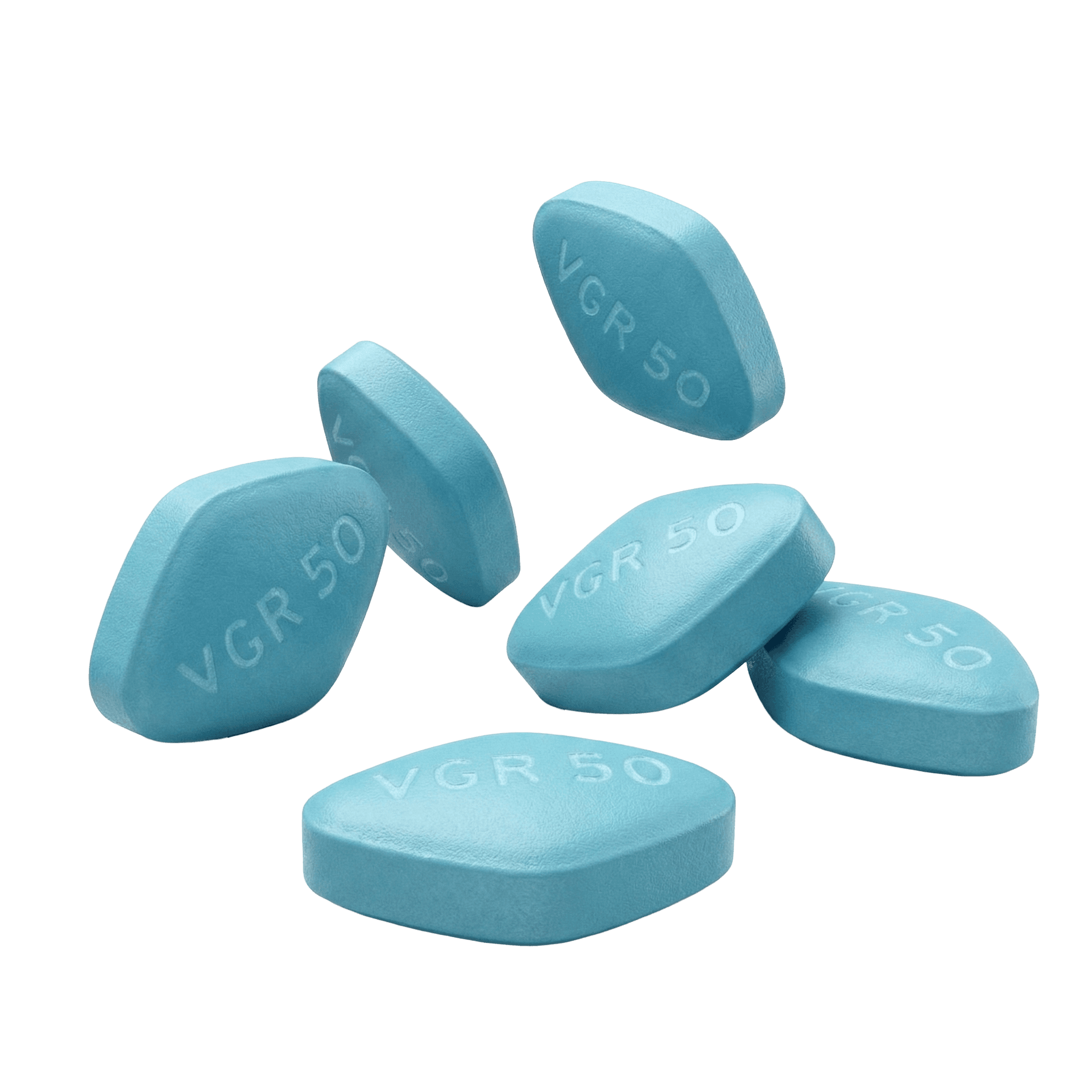
If you are stopping because of a side effect rather than planned discontinuation, and the side effect is troubling you, contact your prescriber. Switching to a shorter-acting PDE5 inhibitor may be an option: sildenafil, for example, has a half-life of approximately 3 to 5 hours and leaves the body in roughly 24 hours, making it easier to manage if tolerability is a concern. You can read more about how the two compare in the Totiva guide to Cialis vs Viagra.
If you are currently taking tadalafil and have questions about your dose or formulation, Totiva's ED treatment service connects you with UK-registered clinicians who can review your options.
Not sure which treatment is right for you?
Medical Information: This article is for informational purposes only and does not constitute medical advice. Always consult a qualified healthcare professional before starting, stopping, or changing any treatment.