Mixing Mounjaro and Alcohol: Safety Guidelines from Your Pharmacy
Can you drink alcohol while taking Mounjaro? A pharmacist explains the risks, drug interactions, and safe drinking guidelines for tirzepatide users.
Written and medically reviewed by:

Key Takeaways
Alcohol isn't forbidden with Mounjaro but should be avoided or minimised due to increased side effects and blood sugar risks. If drinking, stick to NHS guidelines and stay hydrated.
Can You Drink Alcohol on Mounjaro?#
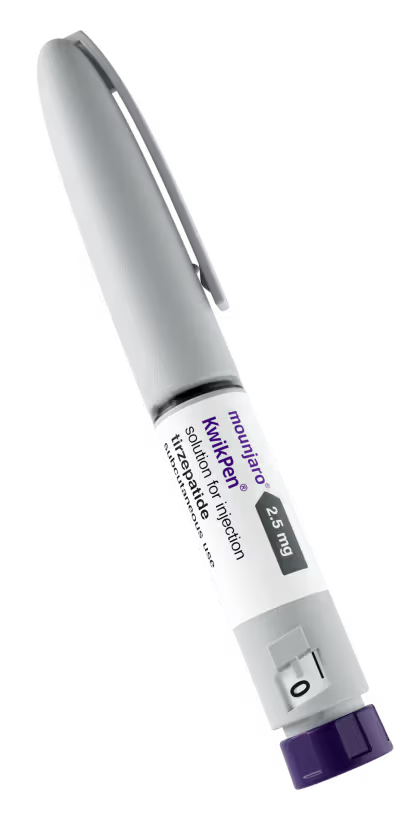
If you're taking Mounjaro (tirzepatide) for weight loss, you might wonder whether it's safe to have a drink. The short answer? It's generally advised to avoid alcohol, especially when you first start treatment.
While Mounjaro doesn't have a direct contraindication with alcohol, combining the two can increase your risk of side effects and potentially dangerous blood sugar drops. Here's what you need to know to make an informed decision.
Why Mixing Mounjaro and Alcohol Raises Concerns#
Mounjaro works by mimicking hormones that regulate blood sugar and slow gastric emptying. Alcohol affects these same systems, which creates several potential complications:
Blood sugar instability: Alcohol can cause unpredictable blood sugar swings, particularly dangerous drops (hypoglycaemia). Since Mounjaro also lowers blood glucose, the combination increases your risk of severe hypoglycaemic episodes.
Worsened side effects: Mounjaro commonly causes nausea, vomiting, and diarrhoea - especially during your first few weeks. Alcohol can intensify these gastrointestinal symptoms significantly.
Dehydration risk: Both Mounjaro and alcohol can lead to dehydration. The medication may cause fluid loss through gastrointestinal side effects, while alcohol is a natural diuretic.
Does Mounjaro Change How Alcohol Affects You?#
Yes, potentially in two ways. First, if you're losing weight on Mounjaro, your alcohol tolerance will likely decrease. A lower body weight means the same amount of alcohol will have a stronger effect.
Second, emerging research suggests GLP-1 medications like Mounjaro might actually reduce alcohol cravings. A 2023 study found that people taking tirzepatide reported drinking less alcohol overall and feeling less stimulated by alcoholic drinks. However, this research is still in early stages.
Safe Drinking Guidelines While on Mounjaro#
If you choose to drink alcohol while taking Mounjaro, follow these precautions:
Wait 48 hours after your first injection before having any alcohol. This allows you to gauge how your body responds to the medication alone.
Stick to NHS alcohol guidelines: No more than 14 units per week, spread across at least three days. That's roughly six pints of average-strength beer or 10 small glasses of wine.
Choose lower-risk drinks: Clear spirits with sugar-free mixers are generally safer than beer, wine, or cocktails high in sugar and carbohydrates.
Stay hydrated: Drink water before, during, and after consuming alcohol. Aim for at least one glass of water between each alcoholic drink.
Never drink on an empty stomach: Alcohol absorption is faster when you haven't eaten, increasing the risk of blood sugar drops.
When to Avoid Alcohol Completely#
Certain situations require complete alcohol avoidance while on Mounjaro:
If you have diabetes: People with diabetes face higher risks of dangerous hypoglycaemia when combining alcohol with glucose-lowering medications.
During severe side effects: If you're experiencing significant nausea, vomiting, or diarrhoea from Mounjaro, alcohol will likely make these symptoms worse.
History of pancreatitis: Anyone with previous pancreatic inflammation should avoid both Mounjaro and alcohol, as both can trigger acute pancreatitis.
Taking other medications: If you're on other drugs that lower blood sugar or cause sedation, adding alcohol creates additional risks.
Recognising Warning Signs#
Watch for these symptoms that suggest alcohol and Mounjaro aren't mixing well for you:
- Severe nausea or vomiting that persists
- Signs of low blood sugar: shakiness, sweating, confusion, rapid heartbeat
- Excessive dizziness or coordination problems
- Persistent abdominal pain
- Unusual fatigue or weakness
If you experience any of these symptoms, stop drinking immediately and contact your healthcare provider or NHS 111 if symptoms are severe.
Got questions? Speak to a pharmacist on WhatsApp now
Prefer to browse first? View treatments
Getting Support with Alcohol Reduction#
Many people find that reducing alcohol intake supports their weight loss goals on Mounjaro. Alcoholic drinks are high in calories and often trigger cravings for high-calorie foods.
If you're struggling to cut down, NHS resources can help. The NHS Better Health programme offers free support for reducing alcohol consumption, including apps and online tools.
The Bottom Line#
While moderate alcohol consumption isn't strictly forbidden on Mounjaro, the safest approach is to minimise or avoid drinking, especially during your first few months of treatment. The combination can worsen side effects and potentially cause dangerous blood sugar fluctuations.
Always discuss alcohol use with your prescribing clinician. At Totiva, our pharmacy team can provide personalised advice about managing your Mounjaro treatment alongside lifestyle factors like alcohol consumption.
If you do choose to drink, do so rarely and in small amounts, ensuring you're well-hydrated and have eaten properly. Your body will thank you for the caution, and you'll likely see better results from your weight loss treatment.
Medical Information: This article is for informational purposes only and does not constitute medical advice. Always consult a qualified healthcare professional before starting, stopping, or changing any treatment.