

Amino Acid Supplements: Do You Actually Need Them?
Most UK adults get all the amino acids they need from food. Here is when a supplement might help, which ones have evidence, and who should check first.


Key Takeaways
Most UK adults get every amino acid they need from food. Supplements may help if your appetite is low, you are vegan and short of protein, or a clinician advises them. Several interact with medicines, so check first.
For most people, no. If you eat protein at most meals, you already get all 20 amino acids, including the 9 your body cannot make. Supplements are a convenience, not a necessity. Single products such as BCAAs, glutamine and arginine have thin evidence in healthy adults.
What amino acids are#
Amino acids are the small units that join in chains to make protein. Your body uses them to build muscle, enzymes, hormones and immune cells.
Nine are called essential, because you can only get them from food: histidine, isoleucine, leucine, lysine, methionine, phenylalanine, threonine, tryptophan and valine. Your body makes the rest.
A few of those, such as arginine, glutamine and cysteine, can become conditionally essential. That means your need rises above what you can make during serious illness, injury or heavy stress. Even then, the usual answer is more food, or a clinician's advice.
Check your BMI
Not sure where you stand? Work out your BMI in seconds and see whether weight loss treatment could be an option.
A food-first look at the numbers#
The UK Reference Nutrient Intake for protein is 0.75g per kg of body weight a day. For a 70kg adult, that is about 53g.
Older adults are often advised to aim for 1.0 to 1.2g per kg to slow muscle loss. For people doing regular resistance training, a 2018 meta-analysis of trials (Morton et al.) found muscle gains levelled off at around 1.6g per kg a day. Extra protein beyond that added little.
Here is what common foods provide:
| Food | Protein |
|---|---|
| 2 eggs | about 12g |
| 100g cooked chicken breast | about 30g |
| 170g pot of plain Greek yoghurt | about 15g |
| 150g cooked lentils | about 13g |
| 100g firm tofu | about 12g |
| 200ml milk | about 7g |
Eggs at breakfast, a yoghurt snack, and chicken with lentils for dinner gives you around 70g. That covers most adults without a single powder.
Meat, fish, eggs, dairy, soya and quinoa are complete proteins. They contain all 9 essential amino acids.
Vegan and vegetarian diets#
Most other plant foods are lower in one or two essential amino acids. Grains tend to be low in lysine, for example. Pulses are rich in it.
You do not need to match foods at every meal. Eating a mix across the day works. Good UK supermarket choices include tofu, soya milk, edamame, lentils, beans, wholegrain bread, nuts and seeds. Pea or soya protein powder is a simple top-up if your appetite is small.
What each supplement can and cannot do#
| Supplement | Typical dose | Evidence | Main caution |
|---|---|---|---|
| BCAAs (leucine, isoleucine, valine, often in a 2:1:1 ratio) | 5–10g | Weak. BCAAs alone do not build muscle well without the other essential amino acids | Stomach upset. Unsafe in maple syrup urine disease |
| Essential amino acids (EAAs) | 5–15g | Reasonable if your protein intake is low. No better than whey or food | Costly per gram of protein |
| Leucine | 2–3g | Some support in older adults with low-protein meals | Food and whey already supply it |
| Glutamine | 5–10g | No clear benefit for healthy people | Nausea, bloating. Caution in liver disease |
| Arginine | 3–6g | Little evidence for performance | See the medicines list below |
The leucine idea is that about 2 to 3g in a meal switches on muscle building. That is why protein-rich meals matter for older adults. A glass of milk and a portion of chicken reach that level anyway.
Taurine, carnitine and beta-alanine are also sold as amino acids. They are amino acid-like compounds, not protein building blocks. Beta-alanine can cause tingling. Evidence for all three is mixed.
You can find these products at Boots, Holland & Barrett, supermarket sports aisles and online sports nutrition shops. Powders often cost £15 to £30 for around 30 servings. A tub of whey usually gives you more protein for the money.
Safety, and what to check first#
There are no established safe upper limits for most individual amino acids. Large doses commonly cause nausea, bloating and diarrhoea.
Speak to a pharmacist or GP before starting if any of these apply to you.
Conditions:
- Kidney disease: extra protein adds to the workload on your kidneys.
- Liver disease: some amino acids can build up and cause harm.
- PKU: you must limit phenylalanine, which is in many powders and in aspartame.
- Maple syrup urine disease: BCAAs are unsafe.
- Recent heart attack: avoid arginine unless your cardiologist agrees.
- Pregnancy, breastfeeding, children and teenagers: food is the right source. Isolated supplements have no proven benefit.
Medicines:
- Levodopa for Parkinson's disease: amino acids compete with it for absorption and can weaken its effect.
- Insulin or sulfonylureas: leucine and arginine can raise insulin release. This could increase the risk of low blood sugar, so check your glucose closely.
- Blood pressure tablets, nitrates or sildenafil: arginine can lower blood pressure further.
- ACE inhibitors, ARBs or potassium-sparing diuretics: arginine can raise potassium to unsafe levels.
- Antidepressants: tryptophan and 5-HTP can cause serotonin syndrome. Symptoms include agitation, sweating, tremor and a fast heartbeat.
Tryptophan is tightly restricted in the UK, and you will not normally find it on a shop shelf. 5-HTP is easier to buy online. Do not combine either with an antidepressant.
Weight loss treatments we prescribe
How to read a label#
UK supplements are regulated as food, not medicines. The MHRA does not license them, so nobody checks quality before sale. Most performance claims for amino acids are not authorised on the UK Nutrition and Health Claims Register. Treat "speeds recovery" with caution.
Check these four things:
- Proprietary blends: these hide how much of each amino acid you get. Choose products that list grams per serving.
- Sweeteners: look for aspartame, which contains phenylalanine.
- Allergens: milk, soya and gluten can appear in powders.
- Testing marks: Informed Sport or Informed Choice means batches are tested for banned substances.
Low appetite and weight-loss medicines#
If you are losing weight, protein helps protect muscle. Aim for protein at every meal. If you use a medicine that cuts your appetite, a whey, soya or pea protein shake is usually a better top-up than isolated amino acids.
Supplements make sense if your appetite is very low, you are vegan and struggle to hit your target, or a dietitian or doctor has advised them. Your pharmacist can check any product against your medicines. For more on supplements and weight loss, see our pharmacist's guide to weight loss supplements. If you are considering a prescription medicine, Totiva's weight loss service explains the options and who they suit.
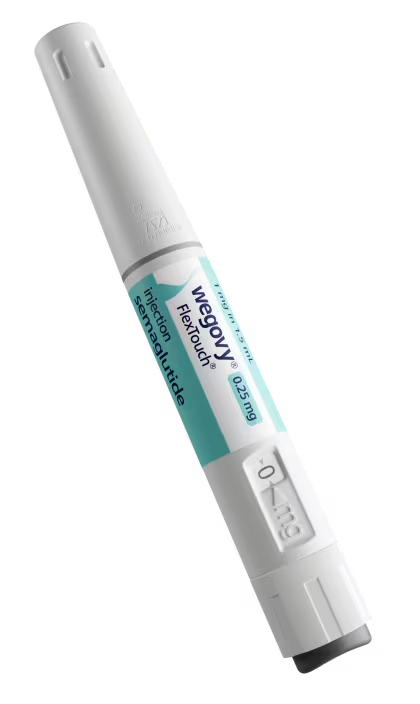
Is Wegovy right for you?
From£92.88a month
Answer a few questions and a pharmacist will review whether treatment is suitable. You only pay if you're approved.
- GPhC-registered pharmacists
- Free online consultation
- Discreet, tracked delivery
Frequently asked questions
- 1
Lopez MJ, Mohiuddin SS (2023). Biochemistry, Essential Amino Acids. StatPearls, NCBI Bookshelf
- 2
Morton RW et al. (2018). A systematic review, meta-analysis and meta-regression of the effect of protein supplementation on resistance training-induced gains in muscle mass and strength in healthy adults. British Journal of Sports Medicine
- 3
Wolfe RR (2017). Client Challenge. Journal of the International Society of Sports Nutrition
View source - 4
NHS (2022). The Eatwell Guide. NHS Website
View source - 5
Food Standards Agency (2024). Food supplements: guidance for businesses. Food Standards Agency
View source - 6
MHRA (2024). Yellow Card | Making medicines and medical devices safer. Medicines and Healthcare products Regulatory Agency
View source
Medical Information: This article is for informational purposes only and does not constitute medical advice. Always consult a qualified healthcare professional before starting, stopping, or changing any treatment.


