Does Head and Shoulders Cause Hair Loss?
Head and Shoulders has changed its formula in the UK. Find out whether the shampoo causes hair loss, what replaced zinc pyrithione, and when to seek help.
Written and medically reviewed by:

Key Takeaways
Head and Shoulders does not cause hair loss. Many UK formulations now use piroctone olamine instead of zinc pyrithione following regulatory changes. If you are shedding hair, genetics, stress, or nutritional factors are far more likely causes.
No, Head and Shoulders does not cause hair loss. Current evidence does not link the shampoo or its active ingredients to hair shedding when it is used as directed. If you are noticing more hair than usual in the shower, the shampoo is almost certainly not the reason.
That said, the product has changed in the UK, and the reason is worth understanding.
Why the UK Formula Changed#
For decades, Head and Shoulders relied on zinc pyrithione (ZPT) at around 1% concentration. ZPT is an antifungal compound that works by impairing mitochondrial function and disrupting membrane transport in Malassezia globosa, the scalp yeast responsible for dandruff and seborrhoeic dermatitis.
In 2021, the European Chemicals Agency reclassified ZPT as a suspected reproductive toxin under the EU Biocidal Products Regulation. This classification was based on animal study data. As a result, ZPT was prohibited in rinse-off cosmetic products sold in the EU, and Great Britain has broadly aligned with these restrictions.
Many current UK formulations of Head and Shoulders now use piroctone olamine instead. Piroctone olamine is an antifungal agent with a strong safety profile. It works by blocking metal-dependent enzymes that Malassezia needs to function, reducing yeast overgrowth in a similar way to ZPT. Early evidence suggests it is comparably effective at controlling dandruff, though the overall evidence base is smaller than the decades of data behind ZPT.
The practical takeaway: check the INCI ingredient list on the specific pack you are holding, as formulations differ across product lines. If you see piroctone olamine near the top of the list, that is the active ingredient doing the work.
How Dandruff Can Affect Your Hair (and How the Shampoo Helps)#
Here is a nuance that most articles miss. The shampoo itself does not cause hair loss, but untreated dandruff or seborrhoeic dermatitis can contribute to it.
When Malassezia overgrows on the scalp, the immune response triggers the release of pro-inflammatory cytokines. This low-grade scalp inflammation can push hair follicles prematurely into the telogen (resting) phase of the growth cycle, a process called telogen effluvium. The result is diffuse shedding rather than a receding hairline.
Controlling Malassezia with an antifungal shampoo therefore does not threaten your hair. It may actually help protect it by reducing the inflammatory load on the scalp.
A Quick Comparison of Anti-Dandruff Options#
| Ingredient | Mechanism | Evidence level | UK availability |
|---|---|---|---|
| Piroctone olamine | Blocks fungal metal-dependent enzymes | Good (growing) | Cosmetic (OPSS regulated) |
| Zinc pyrithione | Antifungal/antibacterial, disrupts yeast cell function | Strong | Restricted in UK rinse-off cosmetics since 2022 |
| Ketoconazole 2% | Azole antifungal, well-evidenced for seborrhoeic dermatitis | Strong (for seborrhoeic dermatitis) | Nizoral: P-medicine, pharmacy only (MHRA regulated) |
| Selenium sulfide | Antifungal, slows cell turnover | Moderate | Selsun: pharmacy only (MHRA regulated) |
Nizoral (ketoconazole 2%) sits in a different regulatory category from Head and Shoulders. It is an MHRA-regulated medicinal shampoo, available from pharmacies without a prescription but requiring a pharmacist's input. It has strong clinical trial evidence for seborrhoeic dermatitis and scalp fungal conditions. If Head and Shoulders is not controlling your dandruff adequately, asking a pharmacist about Nizoral is a reasonable next step.
Could It Be Contact Dermatitis?#
A small number of people do react to shampoo ingredients, not the antifungal actives, but preservatives such as methylisothiazolinone (MI), which is found in some formulations. Contact dermatitis from a shampoo ingredient causes localised scalp irritation, redness, and itching. In some cases, repeated inflammation around the follicle can lead to temporary, patchy hair shedding in the affected area.
This is distinct from the diffuse shedding or progressive thinning caused by androgenetic alopecia or telogen effluvium. If you notice hair loss that is patchy, accompanied by an itchy or sore scalp, and started after changing shampoo, a contact reaction is worth investigating. A patch test arranged by a dermatologist can confirm whether a specific ingredient is responsible.
If you suspect a cosmetic product is causing a reaction, you can report it to the MHRA Yellow Card scheme online. This applies to cosmetic adverse reactions as well as medicines.
The More Likely Causes of Hair Loss#
If you are losing hair and using Head and Shoulders, the shampoo is not the link to investigate first. The common culprits are:
- Androgenetic alopecia (male or female pattern hair loss): Affects roughly 50% of men by age 50 and a significant proportion of women. It is driven by genetic sensitivity to dihydrotestosterone (DHT). See the early signs of male pattern baldness for what to look for.
- Telogen effluvium: Diffuse shedding triggered by stress, illness, rapid weight change, or nutritional deficiency, typically appearing 2 to 3 months after the trigger event.
- Nutritional deficiencies: Iron deficiency is particularly common in women experiencing shedding.
- Thyroid disorders: Both underactive and overactive thyroid can cause diffuse hair loss.
See a pharmacist or GP if your hair loss has been progressing for more than 3 months, is patchy rather than diffuse, comes with scalp pain or visible skin changes, or if you are a woman experiencing significant thinning. Female hair loss has a wider range of causes than male pattern baldness, and getting the diagnosis right matters before choosing any treatment. Please note that Totiva's hair loss service is for men only; women should speak to their GP or a dermatologist for assessment and treatment options.
Got questions? Speak to a pharmacist on WhatsApp now
Prefer to browse first? View treatments
Reading Your Shampoo Label#
With ZPT being phased out of UK cosmetics, it helps to know what you are buying. The INCI list (the ingredient list printed on the pack) runs from highest to lowest concentration. An active ingredient doing real therapeutic work will appear near the top. If piroctone olamine appears in the bottom third of a long list, it is present in a low concentration and may have limited effect.
For a cosmetic product like Head and Shoulders, the OPSS regulates product safety and labelling in Great Britain under the GB Cosmetic Products (Safety) Regulations — it does not assess or regulate the efficacy of cosmetic products. For medicinal shampoos like Nizoral or Selsun, the MHRA holds the licence. The regulatory category matters because medicinal products require clinical evidence of efficacy before they can make treatment claims.
For Men with Progressive Hair Loss#
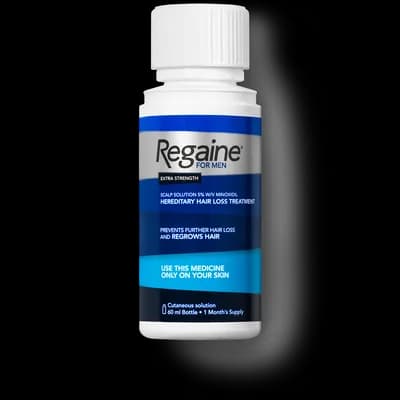
If your hair is thinning progressively rather than shedding diffusely, switching shampoo will not address the underlying cause. Male pattern hair loss is driven by DHT acting on genetically susceptible follicles, and the only proven treatments are finasteride and minoxidil. Some research has examined whether antifungal shampoos such as ZPT may modestly reduce scalp inflammation and thereby support hair density, but any such effect is considered small and is not a substitute for treating the underlying hormonal cause.
For men who want to address pattern hair loss directly, Totiva offers an online consultation where a UK clinician can assess whether finasteride, minoxidil, or a combination treatment is appropriate. Totiva's hair loss service is available to men only. The consultation is free, and you only pay if treatment is approved. For current treatment prices, visit the Totiva hair loss service page. You can start a hair loss consultation at Totiva in a few minutes.
Medical Information: This article is for informational purposes only and does not constitute medical advice. Always consult a qualified healthcare professional before starting, stopping, or changing any treatment.