Chinese Herbal Therapy for Hair Loss: Evidence, Safety and UK Guidance
TCM herbs like He Shou Wu and ginseng are popular for hair loss, but evidence is limited and some carry serious risks. Here's what UK adults should know.
Written and medically reviewed by:

Key Takeaways
Chinese herbs like ginseng show early promise for hair loss, but clinical trial evidence is limited. He Shou Wu carries a documented risk of serious liver injury. Licensed treatments such as finasteride and minoxidil have far stronger evidence behind them.
Traditional Chinese Medicine (TCM) offers several herbal treatments for hair loss, but the honest answer is that clinical evidence is thin and safety concerns are real. Some herbs show early promise in laboratory or small-scale studies, while others carry documented risks serious enough to warrant significant caution before you try them.
How TCM understands hair loss#
TCM links hair health to kidney essence (Jing), blood quality, and liver function. A TCM practitioner does not diagnose male pattern baldness the way a dermatologist would. Instead, they identify an underlying imbalance and prescribe a multi-herb formula to correct it. Two people with identical thinning patterns might receive completely different treatments. This individualised approach is part of why running standardised clinical trials on TCM formulas is genuinely difficult.
None of the herbs or formulas described below are licensed by the MHRA for treating hair loss. That means no medicine-grade efficacy or safety data is required before a product reaches UK shelves.
The main herbs and what research exists#
| Herb (TCM name) | Traditional use | Clinical evidence | Key safety concern |
|---|---|---|---|
| He Shou Wu (Fo-Ti) | Blood and kidney tonic | No robust RCT data | Serious liver toxicity |
| Ginseng (Ren Shen) | Scalp circulation, vitality | Small RCT: combined with minoxidil showed benefit | Generally low risk; interacts with SSRIs and diabetes drugs |
| Dang Gui (Dong Quai) | Blood circulation to scalp | No hair-specific RCT data | Interacts with warfarin; avoid in pregnancy |
| Sang Shen (mulberry) | Blood and yin nourishment | One cell-culture study only | No significant safety alerts |
| Hei Zhi Ma (black sesame) | Kidney and blood nourishment | Nutritional composition data only | No significant safety alerts |
| Wu Wei Zi (Schisandra) | Scalp stimulation | One small animal study | No significant safety alerts |
| Nu Shen Zi (privet berry) | Kidney tonic | No clinical data | No significant safety alerts |
The most relevant human trial involves ginseng. A small randomised controlled trial found that combining oral ginseng with topical minoxidil produced better results than minoxidil alone. The sample size was limited, so this is promising rather than definitive, but it is currently the best-quality evidence for any single Chinese herb in hair regrowth.
The rest of the herbs have either cell-culture findings, animal studies, or traditional use records only. That is not evidence of ineffectiveness, but it does mean no one can tell you what dose to take, how long to take it, or what result to expect.
He Shou Wu: the safety risk you cannot ignore#
He Shou Wu is the most commonly marketed Chinese herb for hair loss, and it carries the most serious risk. It is linked to drug-induced liver injury (DILI), including cases of acute hepatitis and liver failure. The MHRA Yellow Card scheme has received reports of liver reactions from products containing Polygonum multiflorum (its botanical name). Some cases have required hospitalisation.
The mechanism appears to involve stilbene glycosides in the root, which can be metabolically activated into hepatotoxic compounds. Unprocessed (raw) root carries a higher risk than the traditionally prepared version, but both have been implicated in case reports.
If you experience jaundice, dark urine, or unusual fatigue while taking any herbal product, stop it immediately and contact your GP. You can report adverse reactions from unlicensed herbal products directly to the MHRA at yellowcard.mhra.gov.uk.
Drug interactions to be aware of#
TCM herbs are pharmacologically active. Several interact with common UK prescriptions:
- Dang Gui (Dong Quai): potentiates the effect of warfarin and other anticoagulants, raising bleeding risk.
- Ginseng: may lower blood glucose and interact with metformin or insulin. Also interacts with SSRIs (including sertraline and fluoxetine); consult your GP or pharmacist about this interaction before use, as the BNF and MHRA guidance advise caution.
- He Shou Wu: already hepatotoxic alone; combining it with other liver-processed drugs increases risk further.
If you take any regular prescription medicine, speak to a pharmacist before adding any herbal supplement.
Which types of hair loss might respond#
TCM was developed before the concept of androgenetic alopecia (male or female pattern hair loss) existed as a biomedical category. Most herbs are described in terms of blood or kidney deficiency, not DHT-driven follicle miniaturisation.
- Androgenetic alopecia: no herb has demonstrated DHT-blocking activity comparable to finasteride. Ginseng may support follicle health through circulation, but this is a different mechanism entirely.
- Telogen effluvium (stress or illness-related shedding): herbs focused on blood nourishment and stress adaptation, such as ginseng, have a theoretical basis here, but no clinical trial data specific to this condition.
- Alopecia areata (autoimmune): no TCM herb has been studied in a robust clinical trial for this condition.
Got questions? Speak to a pharmacist on WhatsApp now
Prefer to browse first? View treatments
Buying safely in the UK#
This is where many readers come unstuck. Chinese herbal products vary enormously in quality. Adulteration with heavy metals, prescription drugs, or incorrect plant material has been documented in imported TCM products. A few practical checks before purchasing:
- Look for the THR (Traditional Herbal Registration) kitemark on the pack. THR guarantees manufacturing quality and consistency, but does not prove the product works clinically.
- Buy from a pharmacy or a seller registered with the MHRA, not from marketplace platforms where supply chain transparency is low.
- Avoid products listing a "proprietary blend" without specifying each herb and its dose.
- Report any adverse reaction via the MHRA Yellow Card scheme.
If you want professional guidance on using TCM for hair loss, a practitioner registered with the Association of Traditional Chinese Medicine (ATCM) or Register of Chinese Herbal Medicine (RCHM) is your best starting point. Neither register is statutory, but both require professional training and adherence to a code of practice.
How the cost compares#
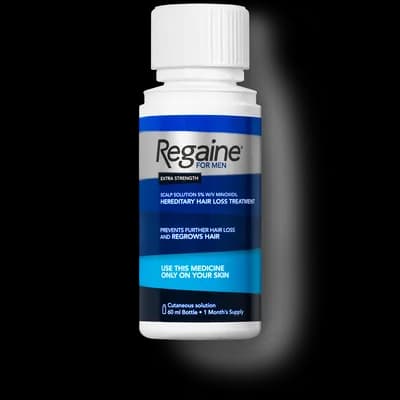
A course of TCM herbs from a registered practitioner typically costs £60 to £120 per month, plus consultation fees of £40 to £80. Compare that with clinically proven prescription treatments: finasteride 1mg, a prescription-only medicine (POM) for men, starts from £14.99 for 28 tablets at Totiva's hair loss service (available to eligible male patients). Minoxidil solution for men adds scalp-level action for a further £33.60 (60ml). Both have decades of trial data behind them that Chinese herbs currently cannot match.
If you want to explore the difference between these licensed options, the guide on finasteride vs minoxidil covers the evidence in detail.
TCM herbs are not useless, and for some people they may form part of a broader approach to hair health. But given the current evidence gap and the real risks attached to some herbs, particularly He Shou Wu, they should not replace treatments with a proven safety and efficacy record.
Medical Information: This article is for informational purposes only and does not constitute medical advice. Always consult a qualified healthcare professional before starting, stopping, or changing any treatment.