Does HRT Cause Weight Gain? Separating Fact from Menopause Myth
HRT is often blamed for weight gain during menopause, but the evidence tells a different story. Here's what's actually happening to your body.
Written and medically reviewed by:

Key Takeaways
HRT does not directly cause weight gain. The real culprits are menopause-related metabolic changes, fat redistribution, and poor sleep. HRT may actually make weight management slightly easier by improving sleep and reducing visceral fat accumulation.
HRT does not directly cause weight gain in most women. The research is fairly consistent on this point, yet the myth persists because many women do notice the scales creeping up around the time they start treatment. The key is understanding that menopause itself is the main driver of weight changes at this life stage, not the therapy used to manage it.
That said, the picture is more nuanced than a simple yes or no, and it's worth understanding what HRT actually does to your metabolism, body composition, and fat distribution before you make any decisions.
What HRT is and how it works#
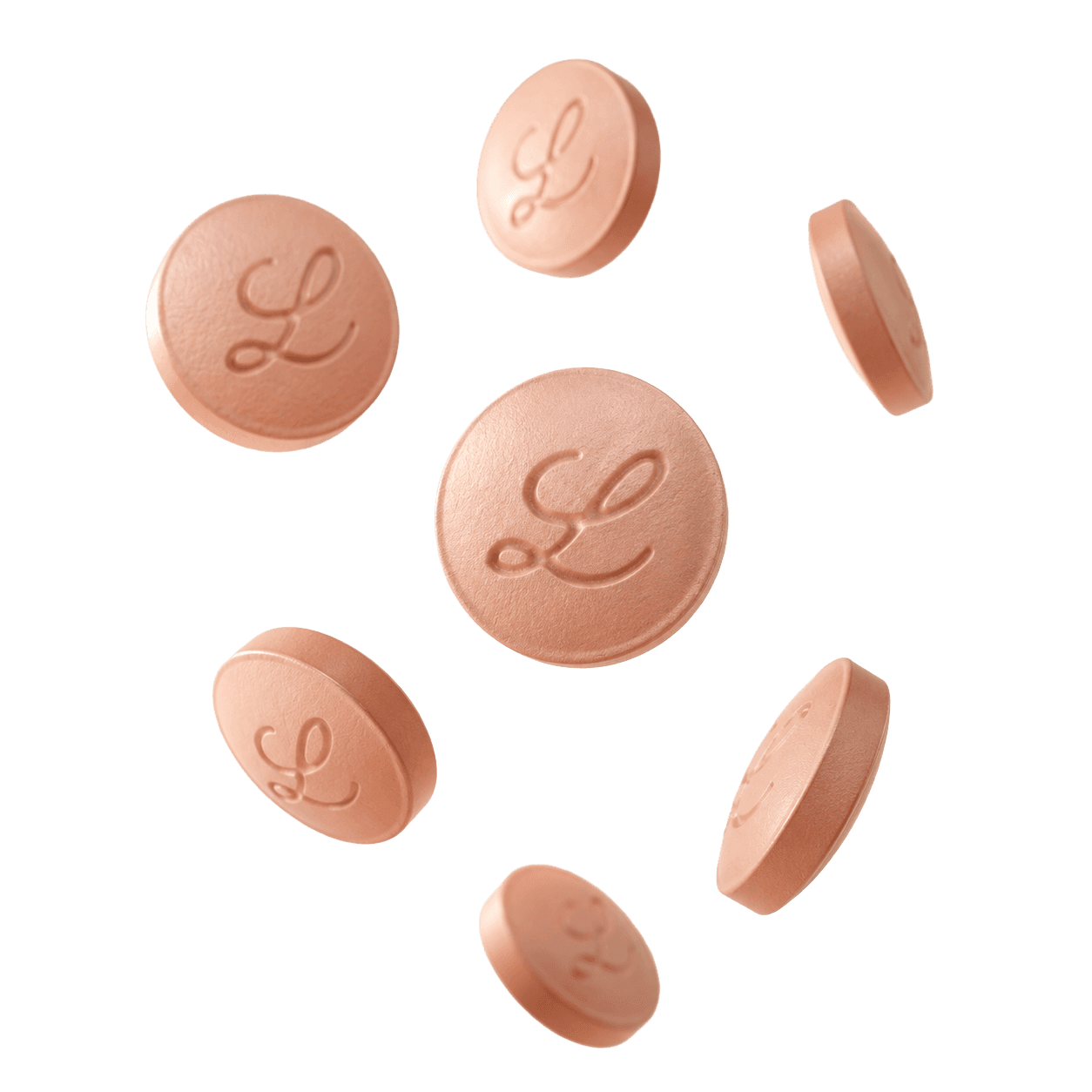
Hormone Replacement Therapy (HRT) replenishes the oestrogen and, in women with a uterus, progesterone that decline during perimenopause and menopause. These hormones don't just affect fertility. They regulate temperature control, mood, sleep quality, bone density, cardiovascular health, and yes, metabolism.
HRT comes in several forms, and the type you use matters more than many people realise:
- Oestrogen-only HRT is prescribed to women who have had a hysterectomy
- Combined HRT (oestrogen plus progestogen) is used by women with an intact uterus to protect the womb lining
- Transdermal HRT (patches, gels, sprays) delivers oestrogen through the skin, bypassing the liver
- Oral HRT (tablets) passes through the liver first, which affects how it influences clotting factors and some metabolic pathways
This distinction matters when discussing weight because transdermal forms appear to have a slightly more neutral effect on weight and metabolic markers compared to oral preparations, according to current evidence. NICE Guideline NG23 on menopause diagnosis and management notes that transdermal oestrogen carries a lower risk of venous thromboembolism than oral oestrogen, which hints at the broader metabolic differences between delivery routes.
Why weight gain happens during menopause (and why HRT gets the blame)#
Menopause typically brings three overlapping changes that all contribute to weight gain, none of which are caused by HRT itself.
Falling oestrogen and fat redistribution#
As oestrogen levels drop, the body tends to redistribute fat from the hips and thighs toward the abdomen. This visceral fat (the kind that sits around internal organs) is metabolically active in a way that subcutaneous fat is not, and it carries greater risks for cardiovascular disease and insulin resistance.
This shift happens whether or not a woman takes HRT. In fact, some research suggests that oestrogen therapy may reduce the accumulation of visceral fat, helping to preserve a more favourable body composition during the menopausal transition.
Slowing metabolism#
Resting metabolic rate declines with age, and this happens to men too. Women lose muscle mass as oestrogen falls (oestrogen plays a role in muscle protein synthesis), and less muscle means fewer calories burned at rest. Studies have found that menopausal women often experience a reduction in resting metabolic rate independent of any treatment they take.
Poor sleep and its knock-on effects#
Night sweats and sleep disruption are among the most common menopausal symptoms. Poor sleep drives up cortisol and ghrelin (the hunger hormone) while suppressing leptin (the satiety hormone). The result is increased appetite, stronger cravings for high-calorie foods, and less energy for physical activity. This is a significant contributor to weight gain that HRT can actually help address by improving sleep quality.
Does HRT make weight gain worse?#
The short answer is no, it does not appear to. A 2012 Cochrane review found no significant difference in weight between women who used HRT and those who did not over trials of varying lengths. Some individual studies have shown mild weight increase in the early weeks of starting HRT, but this is almost always due to fluid retention rather than fat gain, and it tends to resolve within a few months.
Guy's and St Thomas' NHS Foundation Trust notes that some women experience water retention when starting HRT, particularly with certain progestogens, and that switching preparation can help if this becomes bothersome.
If you are gaining weight on HRT, the more likely culprits are the menopausal changes described above, rather than the HRT itself. Starting therapy at 50 and gaining weight does not mean HRT caused the gain; it may simply mean both things are happening at the same time.
Can HRT actually help with weight management?#
There's a reasonable body of evidence suggesting HRT may be modestly beneficial for weight management in menopausal women, particularly in terms of body composition.
By restoring oestrogen levels, HRT may help:
- Reduce visceral fat accumulation, particularly abdominal fat that tends to increase post-menopause
- Support muscle mass preservation, since oestrogen is involved in maintaining skeletal muscle
- Improve sleep quality, which has downstream benefits for appetite regulation
- Reduce fatigue, making regular physical activity more achievable
- Stabilise mood, which reduces the likelihood of emotional eating patterns
None of this means HRT is a weight loss treatment. It isn't. But it may make the lifestyle factors that support a healthy weight somewhat easier to maintain during what is often a challenging transition.
The type of progestogen can matter#
This is one area the competitor content tends to skip over, but it genuinely matters for women making decisions about HRT formulations.
Some synthetic progestogens (progestins), particularly older ones like norethisterone, can have androgenic (testosterone-like) effects that may contribute to fluid retention or appetite changes in some women. Micronised progesterone (Utrogestan), which is body-identical and derived from plants, appears to have a more neutral metabolic profile and is associated with less bloating and fluid retention.
If you are on combined HRT and finding that weight management feels harder than expected, it is worth discussing the progestogen component with your prescriber. Switching from a synthetic progestogen to micronised progesterone sometimes makes a noticeable difference.
Got questions? Speak to a pharmacist on WhatsApp now
Prefer to browse first? View treatments
Managing your weight during and after menopause#
Whether or not you take HRT, the fundamentals of weight management during menopause do not change dramatically, but some adjustments become more important.
Strength training becomes essential. Cardio has its place, but resistance exercise is particularly valuable for preserving and building muscle mass as oestrogen falls. Aim for at least two sessions per week, as recommended by UK Chief Medical Officers' physical activity guidelines.
Protein intake matters more. Higher protein diets support muscle retention and tend to be more satiating. Many women find they need to actively increase protein at this life stage to maintain muscle while in a modest calorie deficit.
Sleep is not optional. Treating menopausal symptoms that disrupt sleep (including with HRT, if appropriate) has a meaningful impact on appetite and energy balance. This is one of the underappreciated benefits of effective HRT for women whose sleep is severely disrupted.
Ultra-processed foods and refined carbohydrates are worth reducing, partly because they promote visceral fat accumulation and partly because blood sugar regulation can become slightly less efficient after menopause.
Alcohol deserves a mention here too. Alcoholic drinks add significant calories without nutritional value, and alcohol disrupts both sleep and hormonal balance. In the context of menopause, where sleep is already compromised and metabolic rate is already slowing, regular alcohol consumption creates a compounding problem. NHS guidelines recommend no more than 14 units per week, spread across at least three days.
When weight loss feels genuinely difficult#
Some women find that despite doing everything right, losing weight during and after menopause is significantly harder than it was earlier in life. This is a real physiological reality, not a failure of willpower.
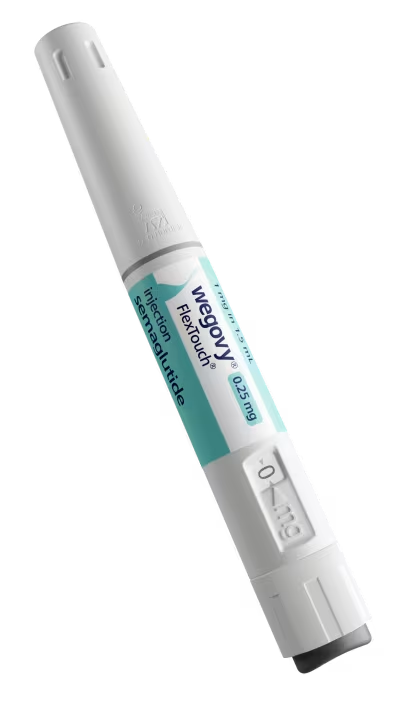
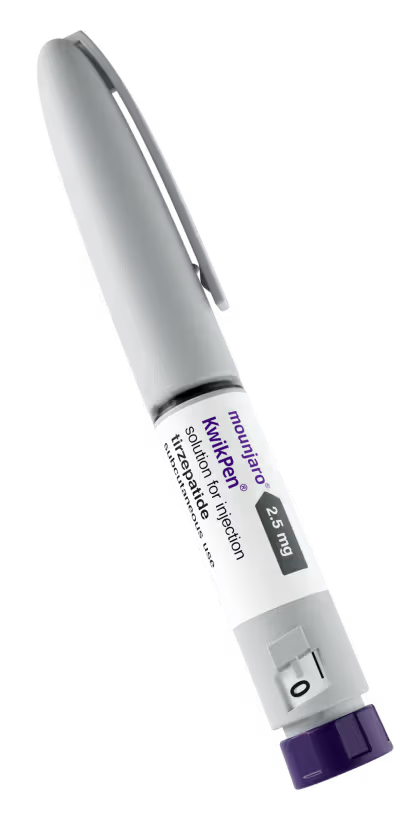
For women with a BMI over 30, or over 27 with weight-related health conditions, GLP-1 receptor agonist medications such as Mounjaro (tirzepatide) or Wegovy (semaglutide) may be appropriate options alongside lifestyle changes. These medications work by mimicking gut hormones that regulate appetite and blood sugar, and clinical trials have shown meaningful weight loss results. There is growing interest in how these treatments interact with HRT, and current evidence suggests they can be used safely alongside hormonal therapies, though this should always be assessed individually by a clinician.
If you're curious whether a weight loss treatment might be suitable for you alongside or independently of HRT, Totiva's weight loss service offers pharmacist-led online consultations without requiring an upfront payment. The consultation is free, and treatment is only prescribed after a thorough clinical assessment including a short video call.
What about testosterone and weight?#
A smaller but growing number of women are prescribed testosterone alongside HRT, usually for low libido. At the doses used in women, testosterone is unlikely to cause significant weight changes. In men using testosterone replacement therapy (TRT) for hypogonadism, the effects on weight are more complex. TRT tends to increase lean muscle mass while reducing fat mass, which can actually mean the scales go up slightly even as body composition improves. This is distinct from fat gain and is generally considered a positive outcome.
Ready to see if treatment could work for you?
A note on getting the right support#
If you are perimenopausal or menopausal and concerned about weight, the most useful first step is a conversation with a clinician who can assess your individual situation. There is no single right answer because your HRT type, your baseline metabolic health, your lifestyle, and your personal risk profile all matter.
Totiva offers free online consultations with UK-registered clinicians for weight management. If you're already on HRT and finding weight management harder than expected, or if you're considering whether a GLP-1 treatment might help you, starting a consultation takes about 10 minutes and carries no obligation to proceed.
Medical Information: This article is for informational purposes only and does not constitute medical advice. Always consult a qualified healthcare professional before starting, stopping, or changing any treatment.