Can stress cause weight gain?
Chronic stress can make you gain weight through cortisol, cravings, poor sleep and emotional eating. Here's the science and what you can do about it.
Written and medically reviewed by:

Key Takeaways
Yes, chronic stress raises cortisol, which drives fat storage, increases cravings, and disrupts sleep and metabolism. It's biology, not willpower. Managing stress and sleep are key steps, and medical weight loss treatments can help when lifestyle changes aren't enough.
Yes, stress can cause weight gain, and the mechanism is well understood. When your body is under chronic stress, it releases a hormone called cortisol, which directly influences appetite, fat storage, and how your metabolism functions. For many people, this creates a frustrating cycle: the more stressed you are, the harder it becomes to manage your weight, even if you're eating reasonably and exercising.
This isn't a willpower problem. It's biology.
What happens in your body when you're stressed#
When you encounter a stressful situation, your brain activates the hypothalamic-pituitary-adrenal (HPA) axis, triggering the release of cortisol from your adrenal glands. In small doses, this is useful. Cortisol sharpens focus, mobilises energy and helps you respond to the situation at hand.
The problem with modern stress is that it rarely has a clear endpoint. Workplace pressure, financial worries, relationship difficulties, the relentless pace of digital life, these are chronic low-grade stressors rather than short, sharp threats. So cortisol stays elevated. And that's where the weight-related consequences begin.
Prolonged cortisol exposure does several things that promote weight gain:
- It increases appetite, particularly for calorie-dense foods
- It promotes fat storage, especially visceral fat around the abdomen
- It disrupts insulin sensitivity, which can impair how your body processes blood sugar
- It suppresses activity in the prefrontal cortex, the part of your brain responsible for self-control, making it harder to resist cravings
Research published in Nutrition and Metabolism confirmed that chronic stress and elevated cortisol are strongly linked to changes in adipose (fat) tissue metabolism, particularly the accumulation of visceral fat. This type of fat, which sits around your internal organs, is associated with a higher risk of type 2 diabetes and cardiovascular disease.
Why stress makes you crave sugar and fat#
There's a specific reason comfort foods tend to be high in sugar and refined carbohydrates, and it's not simply about taste preference. When cortisol rises, your body needs serotonin to bring it back down. Carbohydrate consumption triggers serotonin release in the brain, which is why reaching for biscuits, crisps or chocolate when stressed feels genuinely soothing, not just indulgent.
Studies have found that people with higher cortisol levels snack more throughout the day and consume more calories overall. One notable piece of research observed university students in the lead-up to final exams: as cortisol secretion increased during the stressful period, participants showed reduced dietary restraint and higher caloric intake, with corresponding increases in BMI.
Another line of research, published in the Journal of Health Psychology, found that food cravings directly mediate the relationship between chronic stress and body mass index. In other words, it's not just that stressed people happen to eat more; the cravings themselves are a biological consequence of chronic stress.
This is also why emotional eaters, those who turn to food for comfort rather than hunger, are particularly vulnerable. When both psychological vulnerability and elevated cortisol are present, the pull towards high-fat, high-sugar foods becomes much harder to resist.
Cortisol, insulin resistance and belly fat#
One of the more concerning downstream effects of chronic stress is its impact on insulin sensitivity. Cortisol raises blood glucose by stimulating the liver to release stored sugar. When this happens repeatedly, your cells can start to become less responsive to insulin's signals. Over time, this insulin resistance makes weight loss harder and increases the risk of developing type 2 diabetes.
Visceral fat (the fat stored around the abdomen) is particularly problematic here. Research published in Nutrients in 2024 highlighted visceral adipose tissue as a key driver of metabolic dysfunction, directly linked to insulin resistance and type 2 diabetes risk. People with chronically elevated cortisol tend to accumulate more of this type of fat, even when overall calorie intake is moderate.
This is why you might notice your waistline changing during stressful periods, even if your weight on the scales hasn't dramatically shifted. Fat redistribution towards the abdomen is a cortisol signature.
Stress, sleep and the weight connection#
Stress and sleep disruption are closely linked, and poor sleep adds another layer to the weight gain picture. When you're not sleeping well, levels of ghrelin (the hunger hormone) rise, while leptin (the satiety hormone) falls. The result is that you feel hungrier than usual and less satisfied after eating.
Research in Sleep Science showed clear interactions between sleep deprivation, cortisol activity, and metabolism, confirming that sleep disruption is a meaningful pathway through which chronic stress drives weight gain. If you find yourself reaching for extra food during stressful periods, disrupted sleep may be part of the explanation.
The UK's cost of living pressures have compounded this for many people. ONS data has consistently shown that financial stress is among the most prevalent forms of chronic stress in Britain, and it frequently disrupts sleep, creating exactly this kind of negative feedback loop.
Stress and alcohol: an overlooked factor#
For some people, alcohol becomes a stress management tool. A glass of wine to unwind, a beer after a difficult day. This is understandable, but it adds a significant caloric load while also impairing the judgement needed to make good food choices.
A Finnish longitudinal study found that men in particular were more likely to use alcohol as a stress-coping mechanism, with this pattern becoming more pronounced in middle age. Alcohol adds empty calories (around 7 kcal per gram, close to fat), disrupts sleep quality, and reduces inhibitions around eating. All of which compounds the cortisol-driven weight gain.
Got questions? Speak to a pharmacist on WhatsApp now
Prefer to browse first? View treatments
Stress, hormones and women's health#
For women, the picture has additional complexity. Cortisol and oestrogen interact in ways that can amplify weight gain during perimenopause. As oestrogen declines in the years approaching menopause, the body increasingly relies on fat tissue as an alternative source of oestrogen. This creates a biological incentive to retain fat, particularly around the abdomen. When chronic stress keeps cortisol elevated during this hormonal transition, the combination can make weight management significantly harder.
Women navigating perimenopause who are also dealing with work, caring responsibilities or financial stress may find that conventional diet advice simply doesn't produce the results they'd expect. Understanding that cortisol and oestrogen are both working against them in this context can be validating and, more importantly, points towards the right solutions.
What you can actually do about stress-related weight gain#
Managing stress-related weight gain requires addressing both the biological and behavioural sides of the problem. There's no single fix, but several approaches have good evidence behind them.
Prioritise sleep#
Improving sleep quality is arguably the highest-leverage change you can make. Good sleep lowers cortisol, restores hunger hormone balance, and improves the self-control needed to make better food choices. The NHS recommends aiming for 7-9 hours of sleep per night and suggests consistent wake times, limiting screens before bed, and keeping the bedroom cool and dark.
Address the stress directly#
NHS Talking Therapies (formerly IAPT) offers free cognitive behavioural therapy (CBT) for stress, anxiety and depression through the NHS in England. You can self-refer without a GP referral. CBT has good evidence for reducing chronic stress levels and improving the emotional eating patterns that drive weight gain.
Mindfulness-based approaches also have solid research support. Even brief daily practice (10-15 minutes) has been shown to reduce cortisol reactivity over time.
Eat in a way that supports cortisol regulation#
Ultra-processed foods high in sugar and refined carbohydrates fuel cortisol spikes and worsen blood sugar regulation. Fibre-rich foods, proteins, and healthy fats slow glucose absorption and help stabilise mood and energy. Research published in Frontiers in Nutrition highlighted dietary fibre's protective role in metabolic health, including glucose and insulin regulation.
This doesn't require a restrictive diet. Practical changes like adding vegetables to meals, choosing wholegrains over white bread, and eating regular meals to avoid blood sugar dips can meaningfully reduce the food-stress cycle.
Move regularly, but gently when you're exhausted#
Exercise reduces cortisol and improves insulin sensitivity. But high-intensity exercise when already stressed and sleep-deprived can temporarily spike cortisol further. Walking, cycling, yoga and swimming are all excellent options that provide the metabolic benefits without adding physiological stress to an already overstretched system.
Consider whether weight loss medication could help#
For people whose stress-related weight gain has reached a point where it's affecting their health, and where lifestyle changes alone haven't been sufficient, GLP-1 receptor agonists are worth knowing about.
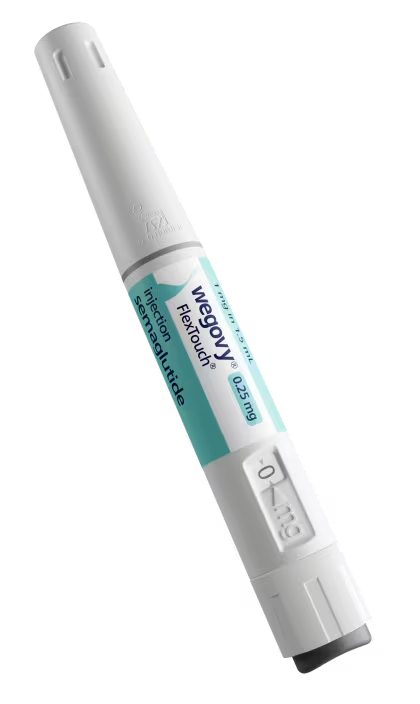
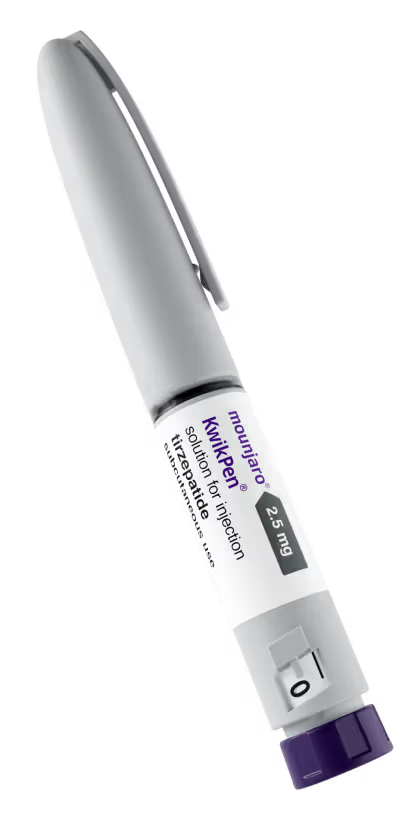
Medications like Wegovy (semaglutide) and Mounjaro (tirzepatide) work partly by regulating appetite signals in the brain, including some of the same pathways that chronic stress dysregulates. They reduce hunger, improve satiety, and support sustained weight loss. Wegovy is licensed in the UK for adults with a BMI of 30 or above (or 27 with weight-related conditions), and Mounjaro has a similar eligibility profile.
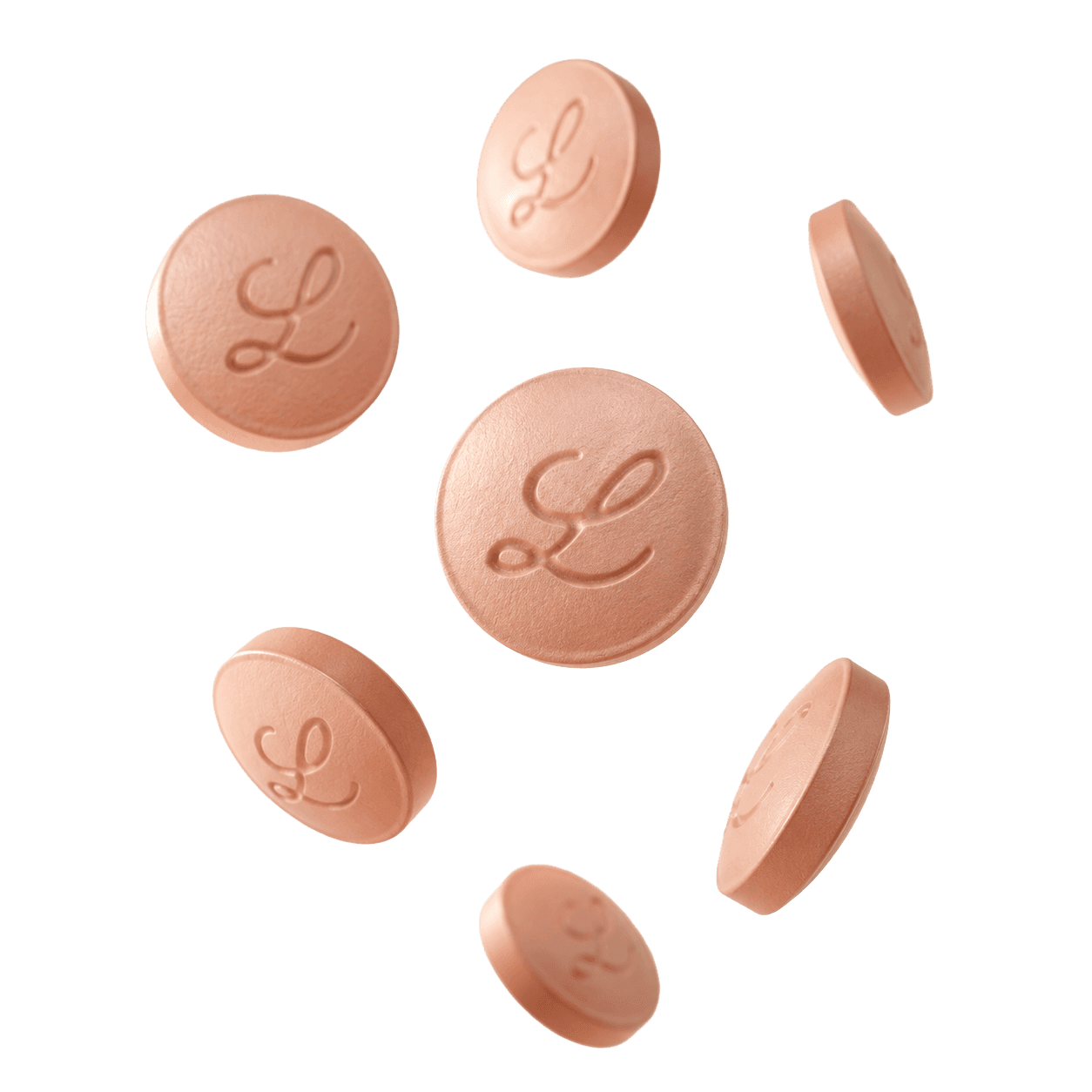
If you're curious whether these treatments might be appropriate for you, Totiva's weight loss service offers pharmacist-led online consultations to assess suitability. Mounjaro starts at £136.88 per injection pen, and Wegovy starts from £92.88. There's also a tablet form of semaglutide (Wegovy Tablets) from £99.00 for 30 tablets, for those who prefer to avoid injections. Eligibility is assessed individually, and the consultation itself is free.
When to speak to your GP#
If your stress levels feel unmanageable, or if you're gaining weight rapidly despite your best efforts, it's worth speaking to your GP. They can rule out other underlying causes (such as thyroid dysfunction, which also affects cortisol and weight), assess whether you'd benefit from talking therapies, and refer you to NHS weight management services if appropriate.
NICE guidance on obesity management acknowledges stress and psychological wellbeing as important factors in sustained weight management, not just diet and exercise. So you're well within your rights to raise this with your GP as part of the conversation.
Ready to see if treatment could work for you?
The bottom line#
Chronic stress doesn't just make you feel awful. It actively works against weight management through multiple biological pathways: elevated cortisol, disrupted appetite hormones, poor sleep, impaired insulin sensitivity, and reduced self-control. The weight gain many people attribute to getting older or slowing metabolism is often, at least partly, a stress response.
The good news is that each of these mechanisms is addressable. Sleep, movement, nutrition, and mental health support all have meaningful effects. And for those who need additional help, effective medical options are available.
If you'd like to explore whether weight loss treatment might be right for you, Totiva's free online consultation takes about 10-15 minutes and puts you in touch with a UK clinician who can assess your options without any upfront cost.
Medical Information: This article is for informational purposes only and does not constitute medical advice. Always consult a qualified healthcare professional before starting, stopping, or changing any treatment.