Does Vaping Help You Lose Weight? Nicotine, Metabolism and Safer Alternatives
Vaping does affect appetite and metabolism, but using it as a weight loss tool is risky. Here's what the evidence actually shows, and what works instead.
Written by:

Medically reviewed by Chris Armstrong, MPharm
Key Takeaways
Nicotine suppresses appetite slightly and speeds up metabolism, but vaping is a poor and risky weight loss strategy. GLP-1 medications like Wegovy and Mounjaro are far more effective and safer options for meaningful, sustained weight loss.
Vaping does have a modest effect on appetite and metabolism, mainly because of nicotine. But that doesn't make it a weight loss strategy worth considering. The health risks are significant, the weight effects are modest and largely temporary, and there are far safer options available. Here's an honest look at what the evidence says.
How Nicotine Affects Your Appetite and Metabolism#
Nicotine is the key ingredient when it comes to any weight-related effects of vaping. It works through a few different mechanisms in the body.
First, nicotine speeds up your resting metabolic rate slightly, meaning you burn a few more calories at rest than you would otherwise. It also acts on appetite-regulating pathways in the brain, triggering the release of neurotransmitters including dopamine, serotonin and norepinephrine, which can suppress hunger signals. Research published in the journal Science identified a specific brain pathway through which nicotine suppresses appetite, helping explain why smokers and vapers often report reduced hunger.
There's also a behavioural element. Reaching for a vape instead of a snack gives the brain a brief reward without the calories. Over time, this habit can genuinely reduce food intake for some people.
So yes, nicotine can influence weight. But the effects are modest (typically a few kilograms at most), they come with serious health trade-offs, and they don't persist once nicotine use stops.
What Vaping Actually Does to Your Health#
It's worth being clear about what you're taking on if you use vaping as a weight management tool, even unintentionally.
The two main base ingredients in e-liquids, propylene glycol and vegetable glycerin, have been shown in research from the University of North Carolina to be toxic to cells at certain exposure levels. Vaping is also associated with lung inflammation, and while the long-term data is still emerging, existing evidence links e-cigarettes to cardiovascular effects including raised blood pressure and heart rate.
Nicotine itself is highly addictive. Once dependence develops, stopping becomes difficult, and withdrawal often drives people towards food as a substitute reward. From a weight management perspective, this creates a trap: any appetite suppression while vaping can reverse sharply when you stop.
Nicotine-free vapes, incidentally, offer essentially none of the metabolic or appetite effects described above. The behavioural ritual might provide some distraction from eating, but there's no meaningful physiological mechanism at play.
Will You Gain Weight When You Quit Vaping or Smoking?#
This is one of the most common concerns people raise, and it's a real one. Weight gain after quitting nicotine is well-documented. On average, people gain around 4-5 kg in the months after stopping, though this varies considerably between individuals.
Several things drive this. Metabolism slows slightly without nicotine. Appetite increases. And many people find themselves reaching for food to manage the cravings and mood changes that come with withdrawal. Sweet and fatty foods are particularly common substitutes because they activate some of the same reward pathways in the brain that nicotine does.
This is not a reason to keep vaping. The health benefits of stopping nicotine far outweigh a few extra kilograms, and the weight gained after quitting is generally manageable with modest dietary adjustments. NHS Stop Smoking Services provide support for both cessation and the associated lifestyle changes, and they're free to access through your GP.
If you're worried about weight gain specifically when stopping vaping, speaking to a pharmacist or GP before you quit can help you put a plan in place. Having a strategy ready makes a real difference.
Vaping Versus Actual Weight Loss Treatments#
It's useful to contrast the modest, unreliable and health-compromising effects of nicotine on weight with what's actually available for people who want meaningful, evidence-based support.
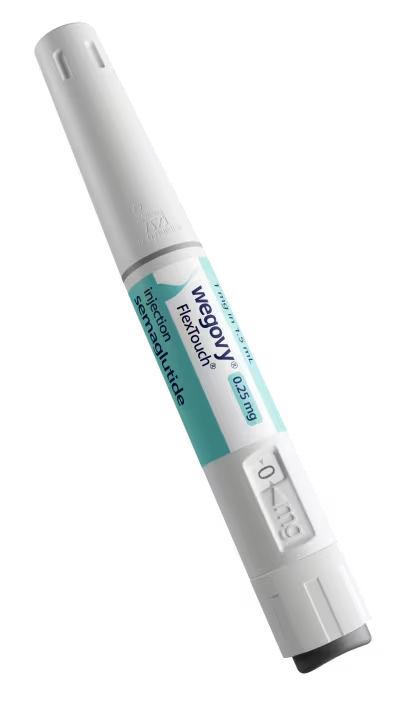
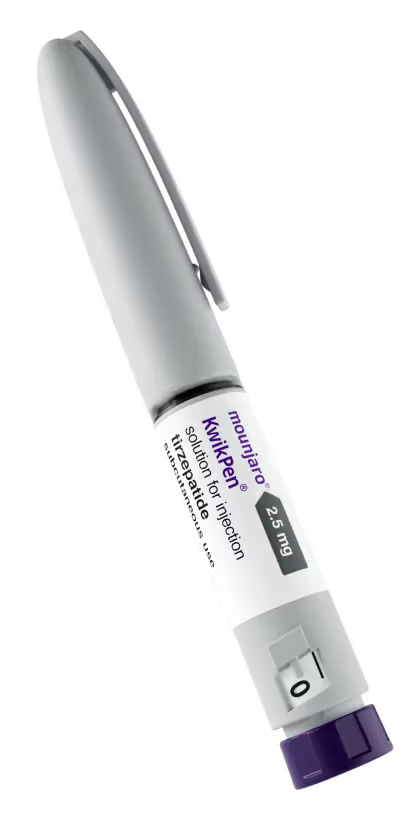
GLP-1 receptor agonists, medications like semaglutide (Wegovy) and tirzepatide (Mounjaro), work on the same appetite-regulating pathways in the brain that nicotine touches, but far more effectively and without the cardiovascular and addiction risks. Clinical trials have shown semaglutide can result in around 15% body weight loss, while tirzepatide has shown up to 22.5% in some trials.
These aren't appetite tricks. They reduce hunger in a sustained, physiologically meaningful way, slow gastric emptying so you feel full longer, and in the case of tirzepatide, also act on GIP receptors to improve metabolic function.
If you're using or considering vaping partly for its appetite-suppressing effect, it's worth knowing that treatments like Wegovy and Mounjaro are available through legitimate online pharmacy services in the UK. Totiva's weight loss service offers pharmacist-led online consultations, and if you're eligible, you can access these medications without visiting a GP in person. Eligibility broadly requires a BMI over 30, or over 27 with a weight-related health condition.
Liraglutide (Victoza and Saxenda): What the Evidence Shows#
Liraglutide is worth understanding separately, because it causes some confusion. It's the same active molecule, but marketed under two different brand names for two different purposes.
Victoza (liraglutide 1.2-1.8 mg daily) is licensed in the UK for treating type 2 diabetes. It's not primarily a weight loss medication, but it does produce modest weight reduction in most patients, typically around 2-3 kg over six months. This is a side effect of how it works: by mimicking GLP-1, it reduces appetite and slows gastric emptying.
Saxenda (liraglutide 3 mg daily) uses a higher dose of the same molecule and is specifically licensed for weight management, both in the UK and under NICE guidance (TA664). It produces more significant weight loss than Victoza because of the higher dose.
So to answer directly: Victoza doesn't cause weight gain. Most people lose a small amount of weight on it. But it's not the right medication if weight loss is your primary goal. Saxenda, Wegovy or Mounjaro would be more appropriate options for that purpose, and all three are available through private prescription in the UK.
Patients on Victoza who also take insulin or sulphonylureas need to be aware that those medications can cause weight gain, which may offset or exceed Victoza's weight-reducing effects. If your weight isn't moving in the right direction on a liraglutide-based regimen, it's worth reviewing your full medication list with your diabetes nurse or GP.
Got questions? Speak to a pharmacist on WhatsApp now
Prefer to browse first? View treatments
Testosterone, Weight and Body Composition in Men#
Testosterone's role in weight is often oversimplified, but the relationship is real and clinically relevant, particularly for men over 40.
Body fat and testosterone influence each other in a loop. Fat tissue, especially visceral fat around the abdomen, contains an enzyme called aromatase that converts testosterone into oestrogen. Higher oestrogen then signals the body to produce less testosterone. Lower testosterone, in turn, reduces muscle mass (which lowers metabolic rate), reduces motivation to exercise, and encourages further fat storage, particularly around the belly. The cycle can be difficult to break.
Testosterone affects weight through four main mechanisms:
- Muscle mass: Testosterone promotes muscle protein synthesis. More muscle means a higher resting metabolic rate, so you burn more calories even when inactive.
- Fat distribution: Men with low testosterone tend to accumulate fat centrally, which is metabolically more harmful than subcutaneous fat and associated with insulin resistance and cardiovascular risk.
- Insulin sensitivity: Low testosterone is associated with poorer insulin sensitivity and higher blood sugar. Some evidence suggests testosterone therapy can improve glycaemic control.
- Energy and activity levels: Low testosterone often causes fatigue and reduced motivation, which makes regular exercise harder to sustain.
For men with clinically confirmed low testosterone (hypogonadism, diagnosed via blood tests showing consistently low levels alongside symptoms), testosterone replacement therapy (TRT) can meaningfully improve body composition. Studies show increased lean mass, reduced fat mass and improved metabolic markers in men who undergo TRT.
However, TRT is not a weight loss treatment in its own right. It doesn't produce dramatic fat loss independently. Its value is in restoring the hormonal conditions that allow diet and exercise to work more effectively. Men on TRT who don't make lifestyle changes alongside it tend to see limited results.
If you suspect your testosterone levels are low, the first step is a blood test through your GP. NHS referral pathways exist for hypogonadism, though waiting times vary. Private testosterone testing is also available and faster.
Lifestyle Changes That Support Both Testosterone and Weight#
Regardless of whether TRT is appropriate for you, certain lifestyle habits have good evidence behind them for both supporting testosterone levels and managing weight:
- Strength training and HIIT: Both have been shown to acutely and chronically raise testosterone levels in men, alongside building the muscle mass that supports a healthier metabolism.
- Adequate sleep: Testosterone is primarily produced during sleep. Consistently getting less than 7 hours significantly reduces testosterone output. Sleep apnoea, which is more common in overweight men, can suppress testosterone levels substantially and is worth investigating if you snore heavily or wake feeling unrefreshed.
- Zinc, magnesium and vitamin D: These micronutrients are involved in testosterone synthesis. A balanced diet covering these, or supplementation where there's a genuine deficiency, supports healthy hormone levels.
- Stress management: Chronic stress elevates cortisol, which directly suppresses testosterone production.
- Losing visceral fat: Even modest fat loss can raise testosterone levels meaningfully, partly by reducing aromatase activity.
Safer Approaches to Weight Loss#
If there's a single message in all of this, it's that the most effective and sustainable approaches to weight loss are also the ones with the best safety profile.
Nicotine is a risky, unreliable and ultimately self-defeating way to manage weight. Testosterone optimisation is relevant for men with genuine hypogonadism but isn't a weight loss shortcut. GLP-1 medications, on the other hand, are the most significant development in obesity treatment in decades, with a well-understood mechanism and a solid evidence base.
For practical next steps:
- If you're a smoker or vaper trying to quit, contact NHS Stop Smoking Services through your GP. They offer behavioural support and cessation aids that can help manage the associated weight concerns.
- If you're interested in GLP-1 medications for weight management, you can start a free consultation with Totiva. Their pharmacist-led service includes a short video call before your first prescription, as required for GLP-1 medications in the UK, and you only pay if treatment is approved.
- If you suspect low testosterone is affecting your weight or energy, start with a GP appointment for blood tests before considering any supplementation or private treatment.
None of these are quick fixes. But they're all considerably safer and more effective than reaching for a vape.
Medical Information: This article is for informational purposes only and does not constitute medical advice. Always consult a qualified healthcare professional before starting, stopping, or changing any treatment.