Can Iron Deficiency, Vitamin D, or Alcohol Cause Weight Gain?
Feeling sluggish and struggling to lose weight? Iron deficiency, low vitamin D, and alcohol could all be working against you. Here's what the evidence says.
Written by:

Medically reviewed by Chris Armstrong, MPharm
Key Takeaways
Iron deficiency, low vitamin D, and alcohol don't directly cause weight gain, but each one can sap your energy and slow your metabolism in ways that make losing weight much harder. Addressing these with a blood test and simple lifestyle changes is a sensible first step.
Iron deficiency does not directly cause weight gain, but its knock-on effects on your energy, metabolism, and activity levels absolutely can. The same goes for low vitamin D and regular alcohol intake. If you're eating reasonably well but the scales aren't shifting, one of these nutritional or lifestyle factors might be quietly working against you.
This isn't about finding excuses. It's about understanding what your body actually needs before you can make real, sustainable progress.
How iron deficiency affects your weight#
Iron is essential for transporting oxygen in the blood. Without enough of it, your cells get less oxygen than they need, and your body responds in a predictable way: it slows down. You feel tired, short of breath on mild exertion, and generally unmotivated. Exercise becomes much harder than it should be.
The NHS recommends 14.8mg of iron per day for women aged 19 to 49, dropping to 8.7mg for women over 50 and men over 19. Many people, particularly women with heavy periods, fall short of that.
When fatigue takes hold, physical activity tends to be the first thing to go. Less movement means fewer calories burned, and if your food intake stays the same, weight creeps up. It's not the iron deficiency itself adding weight; it's the cascade of symptoms that make an active lifestyle harder to maintain.
Iron deficiency anaemia can also lead to water retention in some people. Fluid accumulation adds to the number on the scales, even if it isn't fat. This can be frustrating when you're trying to track genuine progress.
There's another angle worth mentioning, particularly for women approaching perimenopause. As oestrogen levels fluctuate, periods can become heavier before stopping altogether, increasing iron losses at the same time as metabolism is naturally slowing. The combination of iron deficiency symptoms and hormonal weight changes in this life stage is often underappreciated and underdiagnosed.
Signs you might be iron deficient#
- Persistent tiredness or fatigue, even after a full night's sleep
- Pale skin, particularly noticeable inside the lower eyelids
- Shortness of breath during light activity
- Brain fog or poor concentration
- Heart palpitations
- Cold hands and feet
- Brittle nails or hair loss
- Unusual cravings for non-food items like ice or clay (a condition called pica)
If several of these sound familiar, it's worth getting a blood test. Your GP can check your serum ferritin level, which reflects your iron stores, alongside a full blood count. A serum ferritin below 15 micrograms per litre is generally considered deficient, though symptoms can appear at levels higher than this.
Iron-rich foods that genuinely help#
Dietary iron comes in two forms. Haem iron, found in animal products, is absorbed much more efficiently than non-haem iron from plant sources. That said, pairing non-haem iron with vitamin C significantly improves absorption, which is worth knowing if you eat a plant-based diet.
Good sources of iron include:
- Red meat: 100g of ground beef provides around 2.7mg of iron, making it one of the most bioavailable sources
- Liver: one of the most concentrated dietary sources of iron, though NICE advises pregnant women to avoid it due to high vitamin A content
- Spinach: a solid plant-based option; pair it with lemon juice or a tomato-based dressing to boost absorption
- Legumes: lentils, chickpeas, and kidney beans are all useful, particularly for vegetarians and vegans
- Pumpkin seeds: a convenient snack that delivers iron alongside zinc and magnesium
- Tuna and oily fish: moderate iron content with the added benefit of omega-3s
- Turkey: 100g provides around 1.4mg of iron and is a lean, high-protein choice
- Dark chocolate: genuinely contains iron (around 3mg per 100g), though the sugar content means it's more of a supplement to a good diet than a centrepiece
For vegetarians and vegans, it's also worth noting that tea and coffee can inhibit non-haem iron absorption when drunk with meals. Leaving a gap of an hour either side can help significantly.
If dietary changes alone aren't enough, iron supplements are available over the counter and on NHS prescription. Ferrous sulfate is the most commonly prescribed form in the UK and is generally well tolerated, though it can cause constipation or darker stools.
The role of vitamin D in weight management#
Vitamin D deficiency is extremely common in the UK, particularly between October and March when sunlight is too weak for the skin to synthesise it. Public Health England estimates that around one in five UK adults has low vitamin D levels.
The relationship between vitamin D and body weight is real but complicated. Observational studies consistently show that people with obesity tend to have lower serum vitamin D concentrations. The reason is partly mechanical: vitamin D is fat-soluble and gets stored in adipose (fat) tissue, making it less bioavailable in people with a higher body fat percentage. So it's not always that low vitamin D is causing weight gain; it's often that higher body weight is diluting available vitamin D.
That said, there are plausible biological mechanisms by which low vitamin D could make weight management harder. Vitamin D receptors are found in muscle tissue, and deficiency is linked to reduced muscle strength and function. Weaker muscles mean less effective exercise and a slower metabolic rate over time. Some research also suggests vitamin D may play a role in fat cell differentiation and storage, though this remains an active area of investigation.
The UK Scientific Advisory Committee on Nutrition (SACN) recommends that all adults consider taking 10 micrograms (400 IU) of vitamin D daily, especially through autumn and winter. This is a public health recommendation, not a weight loss intervention, but correcting a genuine deficiency is unlikely to harm and may well help your overall energy and wellbeing.
Getting tested in the UK#
If you suspect low vitamin D, you have a few options. You can ask your GP for a blood test, though whether this is available on the NHS without a clinical indication varies by area. Many people find that private blood testing is more accessible, with home finger-prick tests available from UKAS-accredited labs for around £30 to £50. Results are typically returned within a few days.
A serum 25-hydroxyvitamin D level below 25 nmol/L is considered deficient; 25 to 50 nmol/L is insufficient; above 50 nmol/L is generally adequate. If your level is very low, your GP may prescribe a higher loading dose before switching you to a maintenance supplement.
It's important to be realistic: correcting vitamin D deficiency is not a weight loss treatment. But if deficiency is contributing to fatigue, muscle weakness, or low mood, addressing it removes a barrier that might be making healthy habits harder to sustain.
How alcohol interferes with weight loss#
Alcohol is often the hidden variable in someone's weight loss equation. A couple of drinks a few evenings a week can add up to several hundred calories with very little nutritional benefit, and the effects go well beyond simple calorie counting.
The NHS recommends keeping alcohol intake to no more than 14 units per week, spread across at least three days. A standard 175ml glass of wine is around 2.1 units; a pint of 5% lager is about 2.8 units. It adds up quickly.
Why alcohol is particularly problematic for weight management#
Once alcohol enters your system, your body treats it as a priority fuel. Metabolism of alcohol takes precedence over fat oxidation, meaning that while your liver is processing a drink, fat burning essentially pauses. This effect can last for several hours after drinking stops.
Alcohol also disrupts hormone balance. It can lower testosterone levels in both men and women, and low testosterone is associated with higher body fat and reduced muscle mass. It raises cortisol, the stress hormone, which is linked to abdominal fat accumulation. And it interferes with leptin and ghrelin, the hormones that regulate hunger and fullness, which helps explain why late-night takeaways feel so tempting after a few drinks.
Sleep disruption is another mechanism that often gets overlooked. Alcohol may help you fall asleep faster, but it fragments sleep architecture, reducing restorative deep sleep. Poor sleep raises ghrelin and lowers leptin, leaving you hungrier the following day. If this pattern repeats several nights a week, the cumulative effect on appetite and calorie intake is significant.
Finally, alcohol lowers inhibitions and impairs decision-making, making it genuinely harder to stick to healthy choices both in the moment and the morning after.
Practical steps if you drink regularly#
- Track units honestly for a week before making changes; most people underestimate their intake
- Swap high-calorie mixers for soda water or opt for lower-alcohol options
- Have at least two to three alcohol-free days per week as the Chief Medical Officers' guidelines suggest
- Be aware that the 'hangover hunger' the next day is partly hormonal, not just habit
- If you're finding it difficult to cut back, your GP can refer you to alcohol support services without judgment
When multiple deficiencies overlap#
One thing the research rarely addresses clearly is that iron deficiency, low vitamin D, and heavy alcohol use often co-exist. Alcohol itself impairs iron absorption and can contribute to iron deficiency anaemia, particularly in people who drink heavily and eat a poor diet. Alcohol also interferes with vitamin D metabolism in the liver.
So if you're experiencing persistent fatigue, weight gain despite reasonable eating, and poor exercise tolerance, it's worth considering whether more than one of these factors is in play. A simple blood panel covering iron stores (ferritin), full blood count, and serum 25-hydroxyvitamin D gives you a clear picture to work from.
Where GLP-1 medications fit in#
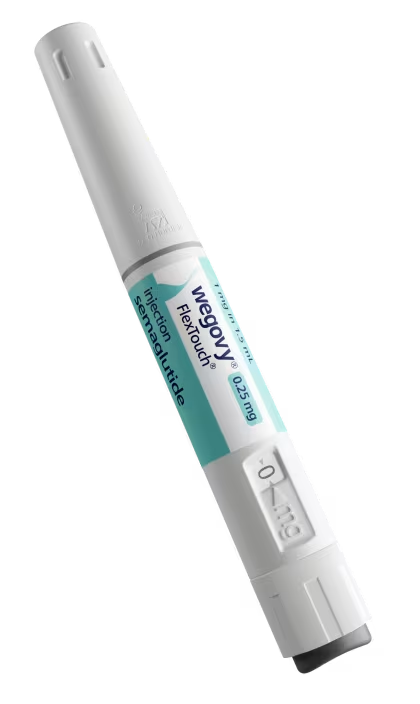
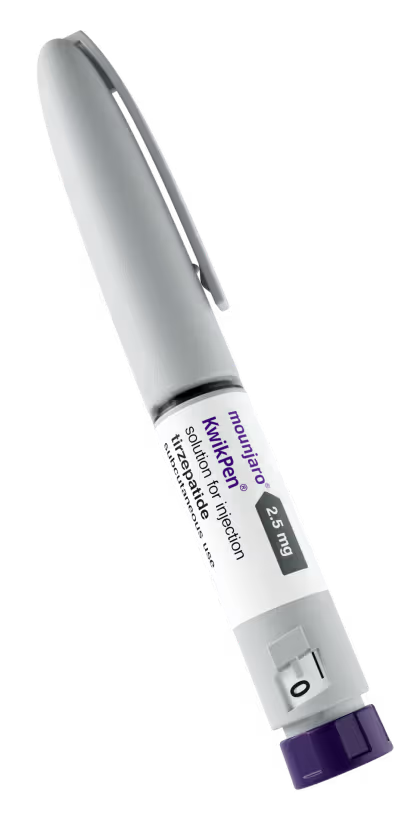
If you've addressed nutritional deficiencies, moderated alcohol, and are still struggling to lose weight, it may be worth considering whether medical support is appropriate. GLP-1 medications like Mounjaro (tirzepatide) and Wegovy (semaglutide) work by regulating appetite signals in the brain, slowing gastric emptying, and improving insulin sensitivity. They are not a substitute for addressing underlying deficiencies, but for people with a BMI over 30 (or over 27 with a weight-related health condition), they can provide meaningful support that lifestyle changes alone sometimes cannot.
Totiva offers pharmacist-led online consultations for weight management, including access to Mounjaro and Wegovy where clinically appropriate. The consultation is free, and you only pay if treatment is approved and you choose to proceed. If you're curious about whether you might be eligible, the weight loss service page has more detail on how the process works.
Got questions? Speak to a pharmacist on WhatsApp now
Prefer to browse first? View treatments
Putting it all together#
None of these factors, iron deficiency, low vitamin D, or alcohol, will single-handedly cause significant weight gain. But each one can quietly undermine your energy, metabolism, and motivation in ways that make healthy habits harder to sustain. Addressing them doesn't require dramatic changes: a blood test, a few dietary adjustments, and an honest look at weekly alcohol intake can reveal a lot.
If you've done all of that and still feel stuck, that's a reasonable point to explore further support. Totiva's clinician-led consultations are a good starting point if you want to understand your options without having to navigate a GP waiting list. You can begin a free assessment at /start/weight-loss.
Medical Information: This article is for informational purposes only and does not constitute medical advice. Always consult a qualified healthcare professional before starting, stopping, or changing any treatment.