Selenium, Steroids and Mounjaro: Can They Cause Hair Loss?
From selenium supplements to weight loss injections, several common medications and minerals can trigger hair shedding. Here's what the evidence actually shows.
Written and medically reviewed by:

Key Takeaways
Excess selenium (often from Brazil nuts or supplements), anabolic steroids, and weight loss medications like Mounjaro can all cause hair shedding. The most common mechanism is telogen effluvium, which is usually temporary and reverses once the trigger is removed.
Hair shedding that seems to come out of nowhere is understandably alarming. When you're taking a supplement, medication, or weight loss drug at the same time, it's natural to wonder whether there's a connection. The honest answer is: sometimes, yes. Selenium toxicity, certain steroids, and weight loss medications like Mounjaro can all contribute to hair loss, though the mechanisms and timelines differ considerably.
This article covers the three most commonly searched triggers, what the evidence says about each, and when it makes sense to seek help.
Can Selenium Cause Hair Loss?#
Selenium is an essential trace mineral, but it operates within a very narrow safe range. The body needs it for thyroid hormone metabolism, antioxidant defence, and immune function. The UK reference nutrient intake (RNI) for adults is 75 micrograms per day for men and 60 micrograms per day for women. The tolerable upper intake level is 400 micrograms per day, above which toxicity becomes a real concern.
Both deficiency and excess can affect hair, but they're not equally common in the UK. Frank selenium deficiency is rare in people eating a varied diet here, partly because dietary sources like meat, fish, eggs, and cereals provide adequate amounts for most people. Toxicity, on the other hand, is more common than you might expect, and it almost always comes from supplementation rather than food.
The Brazil Nut Problem#
The most common route to accidental selenium overexposure in the UK is Brazil nuts. A single Brazil nut can contain anywhere from 50 to 90 micrograms of selenium depending on where it was grown, and eating just a handful daily can push intake well above the safe upper limit. Most people eating Brazil nuts as a 'healthy snack' are completely unaware of this.
High-dose selenium supplements, often marketed for immune support or antioxidant benefits, are the other main culprit. Products containing 200 micrograms or more per capsule can cause toxicity when combined with dietary selenium intake, particularly if someone is also eating Brazil nuts.
How Excess Selenium Triggers Hair Loss#
Selenium toxicity, known as selenosis, disrupts the normal hair growth cycle. Excess selenium is thought to push hair follicles prematurely into the telogen (resting) phase, a process called telogen effluvium. The result is diffuse shedding across the scalp, rather than patterned hair loss. This is well-documented in both case reports and outbreak data. A notable outbreak reported in the United States involved a manufacturing error producing a liquid selenium supplement at concentrations far above the label claim, and hair loss was one of the most consistently reported symptoms.
Other signs of selenium toxicity include a garlic-like odour on the breath, brittle nails, fatigue, and nausea. If you're experiencing hair shedding alongside any of these, and you're taking selenium supplements or regularly eating Brazil nuts, it's worth reviewing your intake promptly.
Will the Hair Grow Back?#
Generally, yes. Once selenium intake is reduced to a safe level, most people see stabilisation of shedding within a few weeks and meaningful regrowth within three to six months. The telogen effluvium process is typically reversible when the underlying trigger is removed.
If you're unsure whether selenium is the cause, it's worth asking your GP to arrange a serum selenium test. This is not routinely offered on the NHS but can be requested where there's clinical justification, and private testing is available. It's useful for ruling selenium in or out as a factor, particularly if other potential causes (thyroid dysfunction, iron deficiency anaemia) haven't been excluded.
Do Steroids Cause Hair Loss?#
The answer depends almost entirely on which type of steroid you're talking about. 'Steroids' is a broad term that covers very different drug classes with different mechanisms and different risk profiles for hair.
Corticosteroids#
Corticosteroids (such as prednisolone, dexamethasone, or hydrocortisone) are anti-inflammatory drugs used to manage a wide range of conditions, from asthma and rheumatoid arthritis to inflammatory bowel disease. They work on the immune system, not directly on androgen levels.
Hair loss is listed as a possible side effect of systemic corticosteroids, but it's not a common one. The British National Formulary (BNF) notes scalp hair thinning as an infrequent side effect of prolonged oral corticosteroid use. Topical corticosteroids applied to the scalp carry a much lower systemic exposure and correspondingly lower risk. Inhaled corticosteroids (for asthma) and short courses of oral steroids are unlikely to cause hair loss at standard therapeutic doses.
Interestingly, corticosteroids can also be used to treat certain types of hair loss. Intralesional corticosteroid injections are a first-line treatment for alopecia areata (an autoimmune condition that causes patchy hair loss), and systemic prednisolone has been used in more widespread cases of alopecia areata. So the same drug class that can occasionally cause hair thinning as a side effect is also, in specific circumstances, a treatment for hair loss.
Anabolic Steroids#
Anabolic steroids are a different matter entirely. These are synthetic derivatives of testosterone, used medically to treat hypogonadism, muscle-wasting conditions, and some cases of delayed puberty, but widely misused for athletic performance enhancement.
Anabolic steroids significantly raise androgen levels, which accelerates androgenetic alopecia (male pattern baldness) in men who are genetically predisposed. The androgen dihydrotestosterone (DHT) is the key driver here: it binds to hair follicles and progressively miniaturises them, shortening the growth cycle until the follicle stops producing visible hair. Anabolic steroid use essentially floods the body with androgenic signals, fast-tracking a process that might otherwise take decades.
For women, anabolic steroid use can paradoxically trigger excess hair growth on the body while causing scalp hair thinning, as female follicles respond differently to androgen exposure.
If you're using anabolic steroids and notice a receding hairline or crown thinning, this isn't reversible simply by stopping the steroids, particularly if the follicles have already miniaturised significantly. This is where treatments like finasteride and minoxidil can make a meaningful difference.
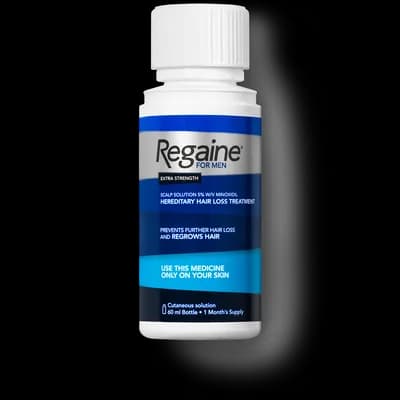
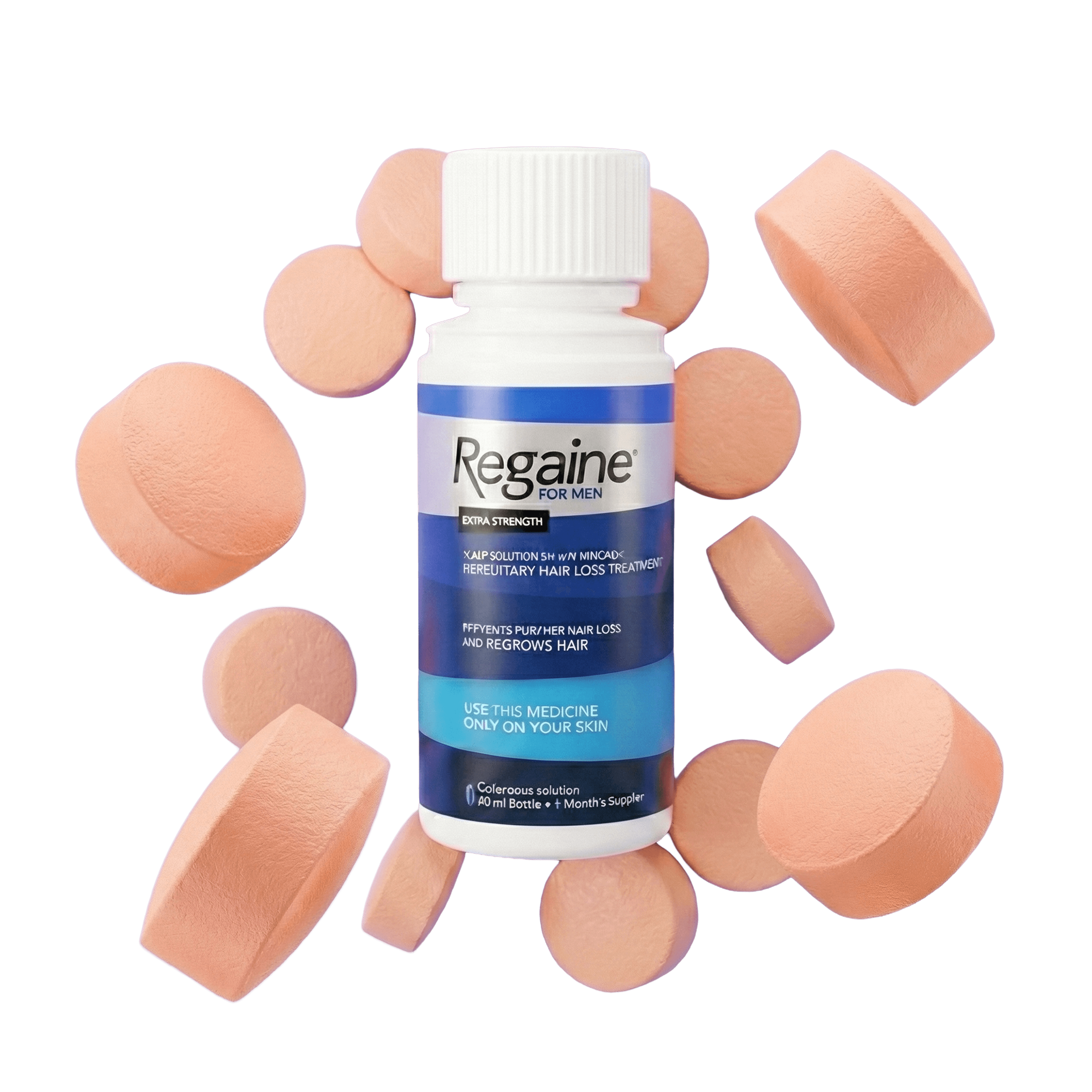
For men dealing with androgenetic alopecia (whether steroid-related or not), Totiva's hair loss service offers pharmacist-led consultations with access to both finasteride and minoxidil, which are the two most evidence-based treatments available. Finasteride works by blocking DHT production, while minoxidil (including the Regaine range) stimulates follicle activity and prolongs the growth phase.
Does Mounjaro Cause Hair Loss?#
Mounjaro (tirzepatide) is a dual GIP and GLP-1 receptor agonist licensed in the UK for both type 2 diabetes management and, more recently, chronic weight management. It produces substantial weight loss, averaging around 20% of body weight in clinical trials, which is precisely why it's become so widely used.
Hair loss was added as a common side effect of Mounjaro following review of post-marketing data. The MHRA public assessment report noted that approximately 4% of participants in clinical trials reported alopecia, compared to around 0.7% in placebo groups. The product labelling now categorises hair loss as a common side effect (affecting up to 1 in 10 users).
Why Does It Happen?#
The most likely explanation is not a direct effect of tirzepatide on hair follicles but rather the metabolic stress of rapid weight loss triggering telogen effluvium. This same pattern is seen with other methods of significant caloric restriction, including bariatric surgery, very low calorie diets, and other GLP-1 medications.
When the body loses weight rapidly, it experiences a form of physiological stress. This can signal hair follicles to prematurely enter the telogen resting phase. The shedding typically begins two to four months after the weight loss accelerates, which is why people on Mounjaro often notice it several months into treatment rather than immediately.
A 2024 retrospective study in the Annals of Dermatology confirmed the association between significant weight loss and telogen effluvium, finding the pattern consistent across different weight loss interventions. The conclusion was reassuring: in the majority of cases, shedding stabilises and hair recovers once body weight stabilises.
Does It Differ from Ozempic or Wegovy?#
Ozempic and Wegovy both contain semaglutide (a GLP-1 receptor agonist), whereas Mounjaro contains tirzepatide (a dual GIP/GLP-1 agonist). All three have hair loss listed as a potential side effect, and the mechanism in each case is thought to be the same: rapid weight loss triggering telogen effluvium rather than any direct drug effect on follicles. There's no strong clinical evidence that one causes more hair loss than another; the degree of shedding appears to correlate more with the speed and magnitude of weight loss than with the specific drug.
If you're currently using or considering one of these medications and want to understand the broader picture, Totiva offers online consultations for weight loss treatments with UK clinicians who can walk you through the evidence and help you make an informed decision.
What Helps Reduce Hair Loss During Weight Loss?#
There are practical steps that can reduce the severity of telogen effluvium during significant weight loss:
- Avoid overly aggressive caloric restriction. Losing around 0.5 to 1 kg per week is generally considered safer from a hair health perspective than faster losses. The NHS advises against very low calorie diets (below 800 kcal/day) without medical supervision.
- Prioritise protein intake. Hair is primarily made of keratin, and inadequate dietary protein is a known contributor to hair loss. Aim for at least 0.8g of protein per kilogram of body weight, and ideally more during active weight loss.
- Check your micronutrients. Iron deficiency anaemia and zinc deficiency are both associated with hair shedding, and both become more likely during periods of significant dietary restriction. A blood test from your GP can confirm whether either is a factor.
- Manage stress. Psychological stress independently disrupts hair follicle cycling through hormonal pathways, compounding any weight-loss-related shedding.
- Be patient. Telogen effluvium from weight loss typically resolves within three to six months of weight stabilisation. It is almost always temporary.
Got questions? Speak to a pharmacist on WhatsApp now
Prefer to browse first? View treatments
When to Seek Help#
There are situations where hair loss warrants a conversation with a clinician rather than a watchful wait:
- Shedding is severe, sudden, or accompanied by other symptoms (fatigue, changes in thyroid function, skin changes)
- Hair loss is patchy rather than diffuse (which may suggest alopecia areata rather than telogen effluvium)
- It's been more than six months since the trigger resolved and there's no sign of regrowth
- You have a personal or family history of male pattern baldness and want to explore preventative treatment
For men experiencing androgenetic alopecia, whether triggered or accelerated by steroids, weight loss, or simply genetics, early treatment produces the best results. Finasteride and minoxidil are most effective when started before significant follicle miniaturisation has occurred.
If you'd like to explore your options, Totiva's pharmacist-led online hair loss consultations are free to start. You only pay if a treatment is prescribed and approved for you. There's no subscription, and prices are straightforward: finasteride 1mg tablets start from £14.99 for 28 tablets, while Regaine Liquid Solution starts from £33.60 for 60ml. Start your consultation here.
Frequently Asked Questions#
See the FAQs section below.
Medical Information: This article is for informational purposes only and does not constitute medical advice. Always consult a qualified healthcare professional before starting, stopping, or changing any treatment.