
Nizoral Shampoo for Hair Loss: A Dandruff Treatment With Thin Evidence
Nizoral is licensed for dandruff, not hair loss. Here is what the small studies found, how people use it, and where it fits next to minoxidil and finasteride.


Key Takeaways
Nizoral is licensed for dandruff, not hair loss. Small, low-quality studies hint at a modest benefit, but nothing proves it. Use it as a harmless extra, not instead of minoxidil or finasteride.
Nizoral shampoo may help a little with thinning hair, but the evidence is weak. It is a licensed dandruff treatment, and any benefit for hair loss is unproven. At most it is a low-risk extra alongside a proven treatment, not a replacement for one.
The claim#
The idea is simple. Nizoral contains 2% ketoconazole, an antifungal. In lab studies, ketoconazole can block some of the steps the body uses to make androgens (male hormones). Since DHT, an androgen, drives pattern hair loss, people assume the shampoo must protect hair.
That is a big leap. Lab findings in a dish do not tell us what happens on a human scalp.
Is it licensed for hair loss in the UK?#
No. In the UK, Nizoral 2% shampoo is a Pharmacy (P) medicine licensed for dandruff and seborrhoeic dermatitis (a flaky, itchy, sometimes red scalp). You buy it from a pharmacy, and the pharmacist may ask about your scalp symptoms, other medicines and any skin conditions.
Using it for hair loss is off-label. That means the MHRA has not approved it for that purpose, and nobody has tested it well enough to say it works. Own-brand ketoconazole 2% shampoos contain the same ingredient. The 1% strength is not routinely sold in UK pharmacies.
Free 2-minute hair loss assessment
Tell us about your hair loss and a pharmacist will recommend the treatment most likely to work for you.
The studies behind it#
The best-known trial is a 1998 study by Piérard-Franchimont and colleagues, which looked at long-term ketoconazole shampoo use in men with androgenetic alopecia. It was small, with fewer than 50 men, and it measured hair density and thickness rather than looking at how people looked. Ketoconazole was compared with minoxidil 2% and showed a similar effect on some measures.
A 2020 systematic review of topical ketoconazole found only a handful of studies. They were small and short, and many had a high risk of bias. The reviewers could not say the shampoo regrows hair. Claims that it is "as good as minoxidil" go further than the data allow.
Does it lower DHT on your scalp?#
Nobody has shown that. Very little ketoconazole gets through the skin from a shampoo that you rinse off after a few minutes. The serious hormone and liver concerns linked to ketoconazole relate to tablets, which are no longer used for fungal infections in the UK.
If Nizoral helps a bit, a likelier reason is that it calms dandruff and scalp inflammation. Treating a flaky, itchy scalp can reduce scratching and some shedding. It will not reverse true pattern thinning.
Hair loss treatments we prescribe
The gold-standard hair loss combo
How people use it#
The leaflet schedule is for dandruff and seborrhoeic dermatitis: twice a week for 2 to 4 weeks, then once every 1 to 2 weeks to keep symptoms away. Lather it into a wet scalp, leave it for 3 to 5 minutes, then rinse well.
Many people with thinning hair use it 2 to 3 times a week instead. That is an off-label routine, not a tested one. Any hair change takes 3 to 6 months to judge, so take a photo in the same light every 4 weeks or so.
Mild dryness and irritation are the usual side effects. If your hair is dry, curly or chemically treated, use conditioner on the lengths. Stop if you get swelling, a rash or burning, and don't use it on broken skin. You can report side effects through the MHRA Yellow Card scheme.
Using it with minoxidil or finasteride#
There is no known clash. Washing with Nizoral and applying minoxidil are separate steps, so use the shampoo, rinse, dry your scalp, then apply minoxidil. Finasteride is a prescription-only tablet and works throughout the body, so it is not affected by a shampoo.
Minoxidil and finasteride have much stronger evidence for pattern hair loss. Our guide on finasteride vs minoxidil explains how they compare.
Verdict#
Use Nizoral if you have dandruff or a flaky scalp. Don't expect it to treat male or female pattern hair loss by itself, and don't delay a proven treatment while you wait. If you are weighing up other hair products, see are DHT-blocking shampoos worth your money?
Hair loss that is sudden, patchy, painful or comes with a sore scalp is not a job for a shampoo. A pharmacist or GP should look at it first.
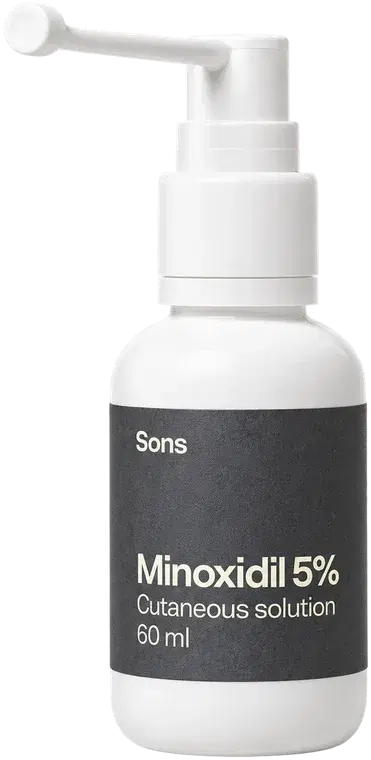
Is Minoxidil 5% right for you?
From£19.99
A short online consultation is all it takes. A pharmacist reviews your answers, and you only pay if you're approved.
- GPhC-registered pharmacists
- Free online consultation
- Discreet, tracked delivery
Frequently asked questions
- 1
Piérard-Franchimont C et al. (1998). Ketoconazole shampoo: effect of long-term use in androgenic alopecia. Dermatology
View source - 2
Fields JR et al. (2020). Topical ketoconazole for the treatment of androgenetic alopecia: A systematic review. Dermatologic Therapy
View source - 3
Electronic Medicines Compendium (2024). Nizoral 2% Shampoo - Summary of Product Characteristics (SmPC) - (emc). emc
View source - 4
NHS (2023). Ketoconazole: cream and shampoo to treat fungal skin infections. NHS Website
View source
Medical Information: This article is for informational purposes only and does not constitute medical advice. Always consult a qualified healthcare professional before starting, stopping, or changing any treatment.


