How Long Does Nausea Last With Wegovy or Mounjaro?
Nausea on Wegovy or Mounjaro typically peaks in the first 2-4 weeks of each dose level and fades within 4-8 weeks. Here's a week-by-week timeline and how to manage it.
Written and medically reviewed by:

Key Takeaways
Nausea on Wegovy or Mounjaro typically peaks 1 to 3 days after each injection and settles within 4 to 8 weeks per dose level. It can return briefly with each dose increase. Eating small, bland meals and staying hydrated helps most people manage it.
For most people, nausea on Wegovy or Mounjaro is at its worst in the first 2 to 4 weeks of each dose level and settles within 4 to 8 weeks. It rarely disappears overnight, but it does follow a predictable pattern. Understanding that pattern makes it much easier to manage.
Why Wegovy and Mounjaro cause nausea#
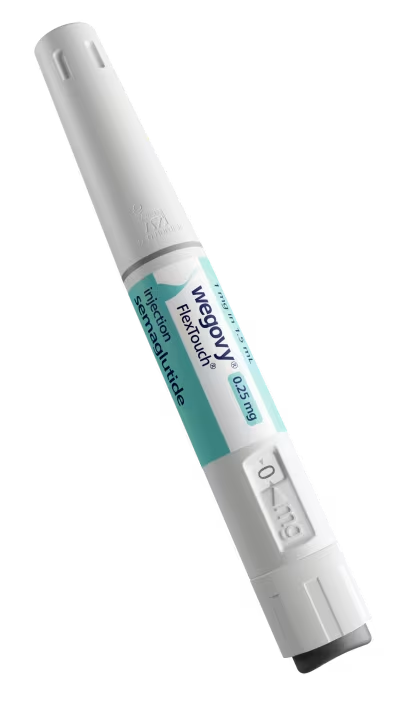
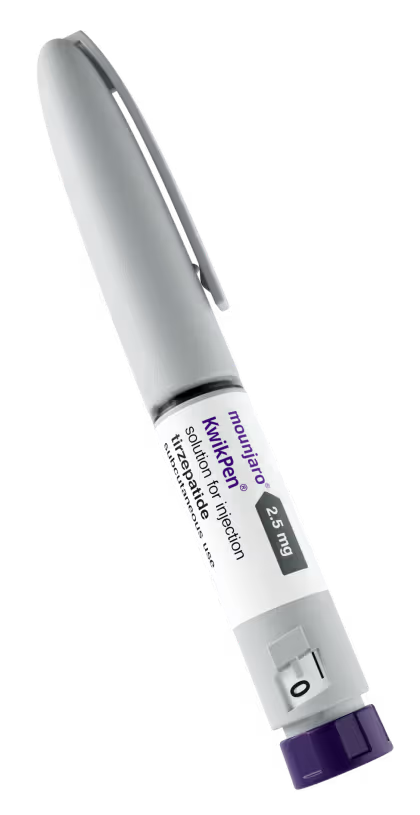
Wegovy contains semaglutide and Mounjaro contains tirzepatide. Both work on GLP-1 receptors (Mounjaro also acts on GIP receptors), and both slow the rate at which your stomach empties food into the small intestine. This is part of how they reduce hunger, but it also means your gut is under more stimulus than usual. The same mechanism that keeps you fuller for longer is the one responsible for the queasy feeling, particularly in the early weeks.
Nausea is the most commonly reported side effect for both medications. In the STEP 1 trial for Wegovy, it affected around 44% of participants, with vomiting affecting around 24%. Both figures come from the full dose escalation period, so they reflect the cumulative picture across all dose stages rather than any single point. Mounjaro's clinical trials showed a similar pattern of GI side effects during dose escalation.
Week-by-week nausea timeline#
Wegovy (semaglutide)#
Wegovy is started at a low dose and increased every 4 weeks until you reach the maintenance dose of 2.4mg. Nausea tends to follow each increase, then fade as your body adjusts.
| Dose stage | Dose | Typical nausea pattern |
|---|---|---|
| Weeks 1-4 | 0.25mg | Mild nausea, usually 1-3 days after each injection. Most people tolerate this stage well. |
| Weeks 5-8 | 0.5mg | Nausea may increase with the dose step. Peaks around days 1-3, usually settles by day 7. |
| Weeks 9-12 | 1mg | Similar pattern. Some people find this step the most noticeable so far. |
| Weeks 13-16 | 1.7mg | Another uptick in nausea is common. The 4-8 week adjustment window applies here too. |
| Weeks 17+ | 2.4mg (maintenance) | The final and highest dose. Nausea at this stage tends to settle within a few weeks for most people. |
Mounjaro (tirzepatide)#
Mounjaro follows a similar dose escalation approach, starting low and stepping up every 4 weeks to minimise side effects.
| Dose stage | Dose | Typical nausea pattern |
|---|---|---|
| Weeks 1-4 | 2.5mg | Mild nausea, usually in the first few days after injection. Most people tolerate this stage well. |
| Weeks 5-8 | 5mg | Nausea may increase with the dose step. Peaks around days 1-3, usually settles by day 7. |
| Weeks 9-12 | 7.5mg | Similar pattern to previous steps. |
| Weeks 13-16 | 10mg | Another uptick is common. The 4-8 week adjustment window applies here too. |
| Weeks 17-20 | 12.5mg | Nausea often improves as the body acclimatises. |
| Weeks 21+ | 15mg (maintenance) | The final and highest dose. Nausea at this stage tends to settle within a few weeks for most people. |
For both medications, nausea is typically strongest in the 24 to 72 hours after each weekly injection. By day 5 to 7, it usually improves noticeably. Most people find it manageable or gone within 4 to 8 weeks of any given dose increase.
At the maintenance dose, some people experience low-level nausea on an ongoing basis, though it is typically much milder than at earlier stages.
Does nausea come back every time the dose increases?#
Yes, it often does. Each dose step can trigger a short period of renewed nausea as your body adjusts to the higher level of medication. This is expected and does not mean something is wrong. The good news is that the adjustment period tends to be shorter with each subsequent increase, as your digestive system becomes more familiar with how the medication works.
A practical tip on injection timing#
Many people find that injecting in the evening (before bed) helps them sleep through the worst of the side effects. There is no formal clinical guideline recommending this, but it is a practical approach that some prescribers suggest based on patient experience. If you try it, keep a note of how you feel the next morning compared to morning injections, and discuss any changes with your prescriber.
Note: if you take oral Wegovy tablets rather than the injection, the timing advice above does not apply. Wegovy tablets must be taken in the morning on an empty stomach, with a small amount of water (up to 120ml), at least 30 minutes before eating, drinking anything other than plain water, or taking other oral medicines. For more detail, see the Totiva guide to taking the Wegovy pill.
What makes nausea worse#
Foods and eating habits have a significant effect on how nauseous you feel on either medication. Large meals, fatty or greasy foods, spicy dishes, and anything with a strong smell tend to make symptoms worse. Eating too quickly is another common trigger.
Foods that tend to be better tolerated:
- Plain crackers, dry toast, or plain rice
- Boiled or baked chicken, or white fish
- Bananas or plain apple slices
- Ginger biscuits (ginger has mild anti-nausea properties)
- Peppermint or ginger herbal tea
Sip fluids steadily throughout the day. Large amounts of water at once can worsen nausea. If you are vomiting repeatedly, oral rehydration sachets (such as Dioralyte, available from Boots or your local pharmacy) can help replace lost electrolytes.
Avoid ginger supplements in concentrated capsule or tablet form without speaking to a pharmacist first, as high-dose supplements can interact with some medicines.
Got questions? Speak to a pharmacist on WhatsApp now
Prefer to browse first? View treatments
Over-the-counter relief options#
For mild to moderate nausea, a few options are available without a prescription:
- Ginger-based products (ginger tea, ginger biscuits) are widely available and safe for most people
- Sea-Bands are acupressure wristbands sold at Boots and most supermarkets. They are drug-free and carry no interaction risk
If OTC options are not helping, speak to your prescriber. Prescription anti-nausea medicines exist, but their use alongside Wegovy or Mounjaro needs clinical assessment. Metoclopramide, for example, is subject to MHRA restrictions (maximum 5 days' use, not suitable for ongoing nausea, and restricted in people under 20). Domperidone carries a cardiac QT-prolongation risk flagged by the MHRA in 2014 and is not routinely recommended for this indication. Both require a prescription and a conversation with a clinician who knows your full medical history.
UK supply interruptions and restarting#
Both Wegovy and Mounjaro have experienced supply shortages in the UK. If you have had to pause treatment due to unavailability and then restart, you may experience nausea again as if starting at a new dose level. Your prescriber should advise on whether to restart at a lower dose to minimise symptoms. Do not assume you can continue at the dose you were on before the break without clinical guidance.
Signs that nausea needs medical attention#
Contact your prescriber or pharmacist if:
- You are vomiting repeatedly after every injection
- You cannot keep fluids down for more than 24 hours
- You notice signs of dehydration (dark urine, dizziness, dry mouth)
- The nausea is significantly affecting your ability to function day to day
Persistent, severe symptoms may mean your dose needs to be paused or reduced. That is a legitimate and common clinical decision, not a failure.
For a full breakdown of the Wegovy dosing schedule and what each stage involves, the Totiva Wegovy dosing guide covers the escalation steps in detail.
If you are considering starting Wegovy or Mounjaro and want to talk through whether either is right for you, you can begin a free online consultation at Totiva and a clinician will assess your suitability before any prescription is issued.
Medical Information: This article is for informational purposes only and does not constitute medical advice. Always consult a qualified healthcare professional before starting, stopping, or changing any treatment.