Mounjaro and Alcohol: Can You Drink While Taking It?
Wondering if alcohol is safe on Mounjaro? A UK pharmacist explains the risks, the surprising craving research, and practical tips for social drinking.
Written by:

Medically reviewed by Chris Armstrong, MPharm
Key Takeaways
Moderate alcohol is generally tolerated on Mounjaro, but it can worsen nausea, affect blood sugar, and increase pancreatitis risk. Research also shows most people on Mounjaro naturally drink less. If you have diabetes or a history of pancreatitis, avoid alcohol entirely.
Most people taking Mounjaro aren't planning to give up their social life entirely. Whether it's a glass of wine with dinner or a few pints at the pub, alcohol is deeply woven into UK social culture, and the question of whether it's safe to drink on Mounjaro is one of the most common ones we hear.
The short answer: moderate alcohol isn't strictly prohibited on Mounjaro, but there are genuinely good reasons to be cautious, particularly in the early weeks of treatment. Here's what you actually need to consider.
Can you drink alcohol on Mounjaro?#
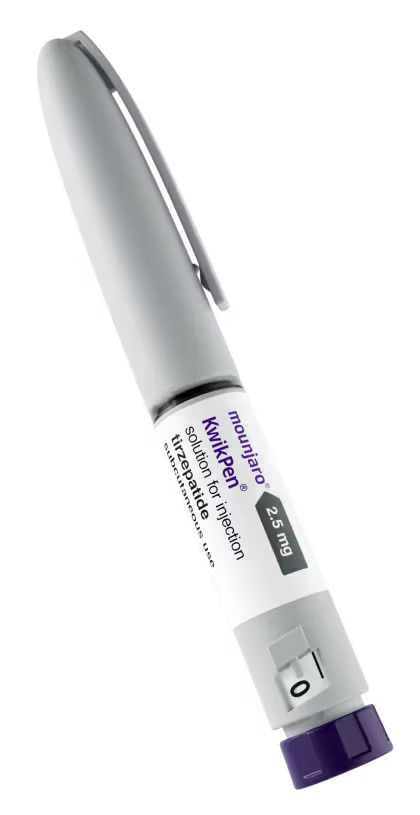
Mounjaro's official patient information leaflet doesn't list alcohol as a direct contraindication, but it does advise caution. Tirzepatide (the active ingredient) works by activating both GLP-1 and GIP receptors, slowing gastric emptying and regulating blood sugar. Alcohol interferes with several of these mechanisms in ways that matter.
For most healthy adults on Mounjaro for weight loss, an occasional drink in moderation is unlikely to cause serious harm. The practical question is more nuanced than a simple yes or no, which is why the guidance tends to be "proceed with care" rather than "never drink."
If you're taking Mounjaro for type 2 diabetes management, the picture is different. Alcohol can cause blood sugar to drop significantly, particularly when you haven't eaten, and combining it with a medication that already lowers glucose levels raises the risk of hypoglycaemia. The NHS defines hypoglycaemia as blood glucose below 4 mmol/L, and symptoms can range from shakiness and sweating to confusion and, in severe cases, loss of consciousness. If you have diabetes and take Mounjaro, it's worth having a specific conversation with your prescriber about alcohol before your next drink.
How Mounjaro changes the way alcohol affects you#
One of the less obvious effects of Mounjaro is what it does to alcohol absorption. Because tirzepatide slows gastric emptying, your stomach processes everything more slowly, including alcohol. Think of it like this: normally, alcohol passes fairly quickly from your stomach into your small intestine, where most of it is absorbed into your bloodstream. On Mounjaro, that process is slower.
This doesn't mean alcohol becomes harmless. If anything, the slowed absorption can make the effects feel unpredictable. You might drink your usual amount and feel relatively fine, then experience a delayed wave of intoxication later in the evening. Some people report feeling more sensitive to alcohol on Mounjaro, particularly in the first few months of treatment.
The practical implication: don't judge how drunk you are partway through a night out and assume you're fine. Give it more time than usual before deciding to have another drink.
Does Mounjaro reduce alcohol cravings?#
This is arguably the most interesting and surprising finding to emerge from GLP-1 research in recent years. A growing body of evidence suggests that Mounjaro and similar medications can significantly reduce the desire to drink alcohol, often without people expecting it.
One study by researchers at Virginia Tech followed 153 people with obesity taking either tirzepatide or semaglutide. Participants reported consuming 1.5 fewer drinks per session and had fewer binge drinking episodes overall. Separately, researchers analysed over 68,000 social media posts from people taking GLP-1 medications, and found that around 71% of posts mentioning alcohol described reduced cravings, drinking less, or finding alcohol less enjoyable.
A larger study tracking over 1.3 million patients over eight years found that people taking Mounjaro had 50% fewer alcohol intoxication incidents and 56% fewer binge drinking episodes compared to those on other weight loss treatments.
The mechanism behind this seems to relate to how Mounjaro affects dopamine pathways in the brain. Both alcohol and food trigger the brain's reward system, releasing dopamine and reinforcing the desire to repeat the behaviour. Tirzepatide appears to dampen these reward signals more broadly, reducing the pull of both food and alcohol. The medication doesn't just make you less hungry; it changes how rewarding certain substances feel at a neurological level.
This has led some researchers to explore whether tirzepatide could eventually be used to treat alcohol use disorder, though that's still early-stage research.
The practical risks of combining Mounjaro and alcohol#
Even if Mounjaro reduces your desire to drink, it's worth knowing what can happen when you do drink while taking it.
Nausea and digestive discomfort are the most common issues. Mounjaro already slows digestion and can cause nausea, particularly at higher doses or when you've recently increased your dose. Alcohol irritates the stomach lining and can make this significantly worse. Some people find that what would previously have been a manageable amount of alcohol now leaves them feeling genuinely unwell.
Blood sugar fluctuations are a risk even if you don't have diabetes. Alcohol causes an initial spike in blood sugar, followed by a drop as the liver prioritises processing the alcohol over maintaining glucose levels. On Mounjaro, this drop can be more pronounced.
Empty calories are a less dramatic but very real concern for anyone using Mounjaro for weight loss. A standard 175ml glass of wine contains around 130 calories. A pint of beer is roughly 180-220 calories. These add up quickly and don't come with any nutritional benefit, which works directly against the calorie deficit that supports weight loss.
Pancreatitis risk deserves particular mention. Mounjaro carries a small risk of pancreatitis as a side effect, and alcohol is itself one of the most common causes of pancreatitis. Combining the two increases that risk. If you experience sudden severe abdominal pain, particularly radiating to your back, alongside nausea or vomiting, seek medical attention promptly. This is one situation where being cautious matters a great deal.
Dehydration is another compounding factor. Alcohol is a diuretic, and Mounjaro can reduce your overall fluid intake by suppressing appetite and thirst. Staying well hydrated is important on any weight loss treatment, and alcohol works against that.
How much is actually safe?#
The NHS Chief Medical Officers' low-risk drinking guidelines recommend no more than 14 units of alcohol per week for both men and women, spread across at least three days. These guidelines are a useful baseline even when you're not on medication.
On Mounjaro, staying well below 14 units weekly is sensible. Most prescribers would suggest limiting yourself to a drink or two on any given occasion, with plenty of alcohol-free days in between. Binge drinking (defined as more than six units in one session for women, or eight units for men) is particularly inadvisable on Mounjaro given the combined effects on blood sugar, nausea risk, and pancreatitis.
To give you a sense of units: a standard 175ml glass of 12% wine is around 2.1 units. A pint of 4% beer is 2.3 units. A 25ml measure of spirits at 40% is 1 unit.
Got questions? Speak to a pharmacist on WhatsApp now
Prefer to browse first? View treatments
When to wait after your Mounjaro injection#
Mounjaro is taken once weekly, and tirzepatide reaches peak blood concentration roughly 8-72 hours after the injection. There's no specific window you need to observe before drinking, but many people find that the first day or two after injecting are when nausea is most likely. If you're going to drink, doing so later in the week (further from your injection day) is a reasonable strategy for minimising digestive discomfort.
If you tend to inject on a Monday, for example, a Saturday evening drink will likely feel more manageable than a Tuesday one.
Who should avoid alcohol altogether on Mounjaro?#
For some people, the advice isn't "drink moderately" but "don't drink at all":
- People with type 2 diabetes taking other glucose-lowering medications alongside Mounjaro face a meaningful hypoglycaemia risk from alcohol.
- Anyone with a history of pancreatitis should avoid alcohol entirely. The combination with Mounjaro significantly increases risk of a recurrence.
- People experiencing significant Mounjaro side effects (particularly persistent nausea, vomiting, or abdominal pain) should wait until these settle before introducing alcohol.
- People with liver disease, since both alcohol and Mounjaro are processed by the liver and any existing compromise matters.
- Anyone taking other medications that interact with alcohol, including certain antidepressants, blood pressure medications, or sedatives.
Navigating UK social culture on Mounjaro#
British social life genuinely revolves around the pub, work drinks, sporting events, and Christmas parties in a way that can make abstaining feel socially awkward. A few practical strategies that work:
Ordering a sparkling water, a diet tonic, or a non-alcoholic beer means you have a glass in your hand without anyone needing to know it's alcohol-free. The range of alcohol-free options has improved considerably in recent years, and there's no reason these would interact with Mounjaro in any problematic way.
Being honest with close friends about being on medication tends to take the pressure off quickly. You don't need to explain everything; "I'm on medication that doesn't mix well with alcohol" is socially accepted without further questioning.
If you do drink, eating beforehand reduces the rate of alcohol absorption and helps stabilise blood sugar. This is good practice regardless of Mounjaro.
Ready to see if treatment could work for you?
If you drink more than you planned#
Sometimes social situations don't go as intended. If you find yourself having drunk more than you meant to on Mounjaro, the key symptoms to watch for are severe abdominal pain (possible pancreatitis), signs of hypoglycaemia (shakiness, sweating, confusion), or prolonged vomiting.
For mild over-drinking, stay hydrated, eat something if you're able to, and rest. If you're experiencing severe abdominal pain or persistent vomiting that won't settle, contact NHS 111 or seek urgent medical care. Don't wait to see if it resolves on its own.
What about non-alcoholic drinks?#
Alcohol-free beers, wines, and spirits (those below 0.5% ABV) are generally fine on Mounjaro. They contain far fewer calories than their alcoholic counterparts and don't carry the blood sugar, pancreatitis, or intoxication risks. The main thing to be aware of is that some alcohol-free drinks still contain a meaningful number of calories from sugar, so check the label if you're tracking calories carefully.
Mounjaro alongside other weight loss treatments#
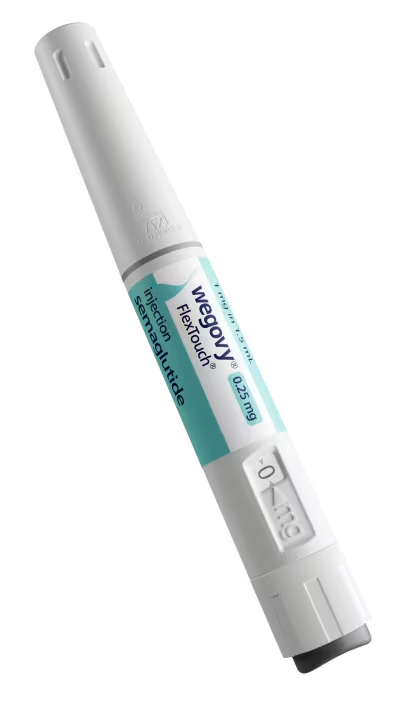
If you're exploring your options for weight loss medication, the alcohol considerations for other GLP-1 medications like Wegovy (semaglutide) are broadly similar: moderate alcohol is generally tolerated, but blood sugar effects, nausea risk, and calorie considerations all apply. You can find more detail on Totiva's weight loss service page if you're comparing your options.
For anyone considering starting Mounjaro or wanting guidance specific to their health history, Totiva's pharmacist-led online consultations include a review of your full medical history and current medications before anything is prescribed. The consultation is free and you only pay if treatment is approved and you decide to proceed.
Mounjaro starts from £136.88 per month at Totiva for the 2.5mg starting dose, with doses available up to 15mg as treatment progresses. If you'd like to explore whether Mounjaro is suitable for you, you can start a free weight loss consultation at Totiva and a clinician will review your details.
If you already take Mounjaro and have specific questions about alcohol interactions given your medical history, UK pharmacists are accessible without an appointment and can give you personalised guidance based on your full medication list. It's genuinely one of the most useful conversations you can have before your next social occasion.
Medical Information: This article is for informational purposes only and does not constitute medical advice. Always consult a qualified healthcare professional before starting, stopping, or changing any treatment.