Does Weight Loss Medication Interfere With Birth Control?
Taking GLP-1 medications like Wegovy or Mounjaro? Here's what UK women should know about how they may affect hormonal contraception.
Written by:

Medically reviewed by Chris Armstrong, MPharm
Key Takeaways
GLP-1 medications like Wegovy and Mounjaro slow gastric emptying, which can reduce how well oral contraceptives are absorbed. Use additional contraception for four weeks after each dose increase, or switch to a non-oral method. Tell your prescriber before starting.
If you're using a GLP-1 weight loss injection like Wegovy or Mounjaro alongside hormonal contraception, you've probably wondered whether one affects the other. It's a sensible question, and the short answer is: yes, there are some interactions worth knowing about, particularly with oral contraceptives.
This isn't a reason to avoid weight loss treatment. It just means a quick conversation with your pharmacist or prescriber before you start (or when you move up to a higher dose) can save you a headache later.
How GLP-1 Medications Work in the Body#
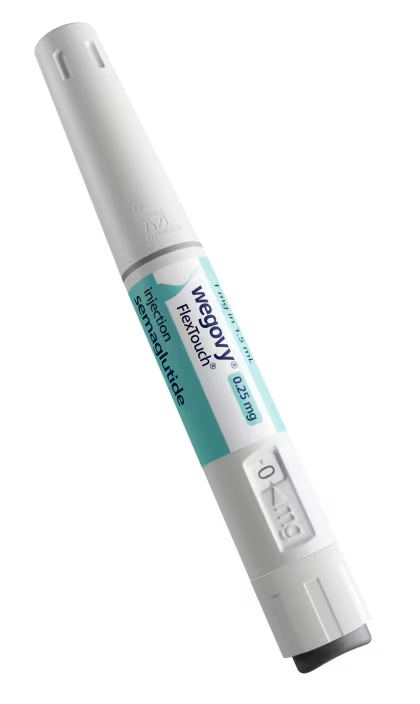
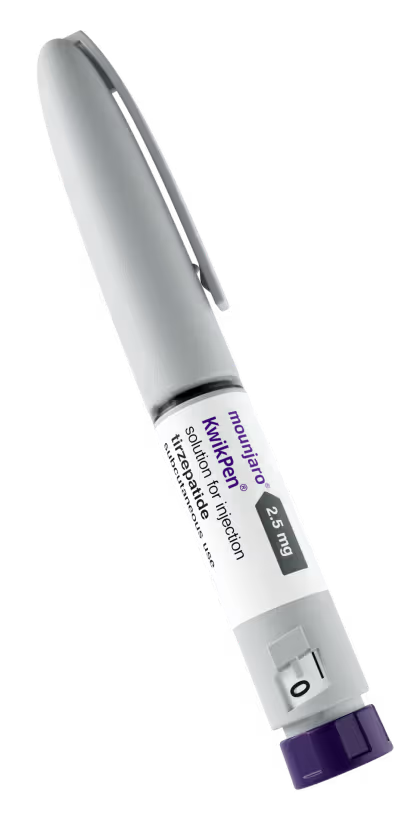
Medications like semaglutide (Wegovy) and tirzepatide (Mounjaro) work partly by slowing gastric emptying. Your stomach takes longer to empty its contents into the small intestine. This is one of the reasons these medicines reduce appetite and help you feel full for longer.
That slowed gastric emptying is also where the potential issue with oral contraceptives comes in.
The Main Concern: Oral Contraceptive Pills#
Most hormonal contraceptives are absorbed through the gut wall. When gastric emptying slows down, the absorption of oral medications can change. In theory, this could affect how much of the contraceptive hormone actually makes it into your bloodstream, and when.
The manufacturers of semaglutide specifically flag this in the prescribing information. During dose escalation of Wegovy (the period when you're moving up through the dose steps), women taking oral contraceptives are advised to switch to a non-oral method for at least four weeks after each dose increase, or to use additional barrier contraception during that window.
This guidance doesn't apply to contraceptive patches, injections (like Depo-Provera), implants, hormonal or copper IUDs, or the vaginal ring. These delivery methods bypass the gut entirely, so slower gastric emptying is simply irrelevant to them.
Mounjaro's prescribing information includes similar caution. Women using oral contraceptives starting Mounjaro or increasing their dose are advised to use additional contraception for four weeks after each dose change.
If you're already on a stable, maintenance dose with no planned changes, the risk period is lower. But it's still worth flagging with your clinician.
Does Birth Control Affect Weight Loss?#
This is the flip side of the question, and it's one that comes up a lot. Some hormonal contraceptives, particularly older combined pills with higher progestogen doses, have historically been associated with modest weight changes. However, the evidence on this is less dramatic than many people assume.
Large systematic reviews have found no consistent evidence that modern combined oral contraceptives cause meaningful weight gain. Some women notice fluid retention or appetite changes during the first couple of months, but these tend to settle.
Progestogen-only pills and hormonal implants may have a slightly larger effect on appetite or body composition in some individuals, though again the research is mixed. The Depo-Provera injection (medroxyprogesterone acetate) has the most consistent association with weight gain in the literature, though this isn't universal.
If you're asking whether switching to a different contraceptive method might help your weight loss efforts, the honest answer is: it probably won't make a significant difference on its own. GLP-1 medications are far more potent in terms of their effect on weight than any hormonal contraceptive is likely to be in the opposite direction.
Practical Guidance for Women on Both#
If you're using, or thinking about starting, a GLP-1 medication and you currently take an oral contraceptive pill, here's what makes practical sense:
- Tell your prescriber before starting. When you complete a consultation for weight loss treatment, mention your contraceptive method. This is standard clinical practice and ensures your prescriber can give you tailored advice.
- Consider switching methods. If you'd prefer not to manage the four-week additional contraception window every time you increase your dose, switching to a patch, implant, injection, or IUD removes the concern entirely.
- Don't just stop your pill without a plan. If you decide to change methods, arrange your new contraception before stopping your pill, and speak to your GP or a sexual health clinic.
- Don't assume you're covered. Unplanned pregnancy is a more significant risk than most people realise when contraceptive absorption is uncertain, so the guidance from manufacturers deserves to be taken seriously.
What the Dose Escalation Schedule Looks Like#
With Wegovy (semaglutide), the standard escalation runs over 16 weeks before you reach the full 2.4mg maintenance dose. With Mounjaro (tirzepatide), the process can take even longer depending on your individual schedule, potentially spanning many months as you move from 2.5mg up towards 15mg.
Each step up in dose is a period where the advice on oral contraception applies. For women on long escalation schedules, this is worth factoring into your contraceptive planning from the start rather than after the fact.
At Totiva, the initial video consultation is specifically designed to catch these kinds of interactions before prescribing. Clinicians will review your full medication list, including contraceptives, as part of the assessment. It's one of the reasons GLP-1 medications require a video call before your first prescription rather than a questionnaire alone.
Got questions? Speak to a pharmacist on WhatsApp now
Prefer to browse first? View treatments
Other Medications Worth Mentioning#
The slowed gastric emptying effect isn't unique to its impact on contraceptives. Any oral medication that is time-sensitive or has a narrow therapeutic window could theoretically be affected. This includes thyroid medications, certain antibiotics, and some anticonvulsants.
If you take regular oral medication of any kind, it's worth reviewing this with your prescriber or a pharmacist when you start a GLP-1 medication, or when your dose increases. In most cases, no change is needed. But it's better to have that conversation early.
Fertility and Weight Loss#
One thing that often surprises people: losing a meaningful amount of weight can improve fertility, sometimes significantly. Women with obesity-related hormonal conditions such as polycystic ovary syndrome (PCOS) often experience more regular cycles as they lose weight, which can increase the chance of ovulation.
This means that if you're not planning a pregnancy, effective contraception becomes more important as you lose weight with a GLP-1 medication, not less. Don't assume that because conception has been difficult in the past, it will remain so after successful weight loss treatment.
It's also worth noting that GLP-1 medications are not currently recommended during pregnancy. If there's any chance of pregnancy, this is another strong reason to ensure your contraception is reliable and not potentially affected by absorption changes.
Non-Oral Contraception: The Practical Options#
If switching away from the pill seems daunting, it's worth knowing that long-acting reversible contraception (LARC) is generally considered the most effective and lowest-maintenance option regardless of weight loss treatment. These methods include:
- The hormonal IUS (e.g. Mirena, Kyleena)
- The copper IUD
- The contraceptive implant (Nexplanon)
- The contraceptive injection (Depo-Provera, though this one has the most notable weight associations as mentioned above)
GPs and sexual health clinics fit these routinely. The Faculty of Sexual and Reproductive Healthcare has detailed guidance on all of these options.
Ready to see if treatment could work for you?
Starting Weight Loss Treatment#
If you've been thinking about starting a GLP-1 medication and your contraceptive situation has felt like a barrier, it really doesn't need to be. The key is raising it early, before you start, so your clinician can advise you properly.
Totiva offers pharmacist-led online consultations for weight loss treatment, including Wegovy and Mounjaro. The consultation is free, and you only pay if a treatment is approved for you. For GLP-1 medications, there's also a short video call with a clinician before your first prescription, which is where questions about drug interactions and contraception fit naturally into the conversation.
If you'd like to explore your options, you can start a free weight loss consultation at Totiva and discuss your full medication history as part of the process.
A Note on Doing Your Own Research#
It's easy to find conflicting information online about GLP-1 medications and contraception, partly because the guidance has evolved as these medications have become more widely used. The most reliable sources remain the Summary of Product Characteristics (SPC) for each individual medicine, NICE guidance, and advice from a qualified clinician who knows your full medical history.
General forums and social media can be useful for understanding shared experiences, but they aren't a substitute for individual clinical advice on something as important as contraceptive reliability.
Medical Information: This article is for informational purposes only and does not constitute medical advice. Always consult a qualified healthcare professional before starting, stopping, or changing any treatment.