Calorie Deficit Bad Breath: Why It Happens and How to Manage It
Dieting can cause a fruity or nail-varnish smell on your breath. A pharmacist explains why it happens and how to reduce it without stopping your diet.
Written and medically reviewed by:

Key Takeaways
Cutting calories triggers fat-burning (ketosis), which releases acetone through your breath as a fruity or nail-varnish smell. Drinking more water, cleaning your tongue, and eating regularly all help. You do not need to stop dieting.
Cutting calories can cause bad breath. It is one of the less-discussed side effects of dieting, but it is common and usually harmless. The smell often described as fruity, sweet, or like nail-varnish remover comes from a metabolic process called ketosis. Understanding what is happening makes it much easier to manage.
Why cutting calories changes how your breath smells#
When you eat significantly fewer calories, your body runs low on glucose (sugar) from carbohydrates. It then switches to burning stored fat for fuel. This process produces compounds called ketone bodies, including acetone. Acetone is volatile, meaning it passes into your lungs and is exhaled. That is the source of the distinctive smell.
Saliva also plays a role. Eating less food means less chewing, and chewing stimulates saliva flow. Lower saliva production allows bacteria to build up in the mouth more easily, adding a second layer to the problem. High-protein diets, popular among people losing weight, make things worse still. Bacteria in the mouth break down protein and produce volatile sulphur compounds (VSCs), which smell like eggs or rubbish. The combination of acetone and VSCs explains why diet-related breath can be hard to shift even with regular brushing.
Is keto breath the same thing?#
Not exactly, but they share the same root cause. Keto breath is specifically linked to very low-carbohydrate diets (under 20-50g of carbs per day) that push the body into sustained ketosis. A standard calorie deficit, say 500 kcal below your maintenance level, may not drop carbs low enough to cause the same intensity of ketone breath.
The deeper the calorie cut, the more pronounced the effect tends to be. Very low calorie diets (VLCDs) of under 800 kcal per day, which NICE guidance covers in the context of medically supervised weight management, trigger more significant ketone production. Extended fasting patterns such as 16:8 intermittent fasting have a similar effect during the fasting window, and people observing Ramadan often notice the same fruity breath for the same reason.
How long does it last?#
For most people, the smell is most noticeable in the first one to three weeks of a new diet, as the body adapts to using fat as its primary fuel. As your body becomes more efficient at using ketones, and as partial glycogen stores are replenished through dietary carbohydrates eaten over time, the intensity often reduces. It rarely disappears entirely if you remain in a meaningful calorie deficit, but it does usually become less pronounced.
Practical ways to reduce it#
You do not need to stop dieting. These steps help most people significantly:
- Drink more water. The NHS recommends 6 to 8 glasses of fluid per day. Staying well hydrated supports saliva production and helps flush acetone through the kidneys rather than entirely through the lungs.
- Brush twice daily and clean your tongue. A tongue scraper removes the bacterial film where VSCs are produced. This is one of the most effective steps for halitosis of any cause.
- Use an alcohol-free chlorhexidine mouthwash. Alcohol-based mouthwashes can dry the mouth and make things worse. Alcohol-free chlorhexidine formulations are available from most pharmacies and have evidence behind them for reducing bacterial load. Use short-term only, as prolonged use can stain teeth.
- Eat at regular intervals. Long gaps between meals intensify ketone breath. Even small meals or snacks reduce the effect.
- Consider adding modest carbohydrates. Including an extra 50-100g of carbohydrates per day (roughly 200-400 kcal) can reduce ketone production noticeably. If you do this, adjust the rest of your daily intake accordingly so your overall deficit stays on track.
- Chew sugar-free gum. It stimulates saliva flow and masks odour short-term. Choose xylitol-based gum, which also has some evidence for reducing oral bacteria.
GLP-1 medications and breath changes#
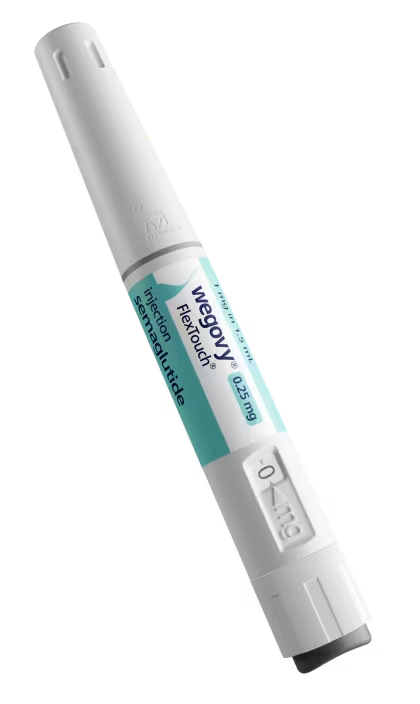
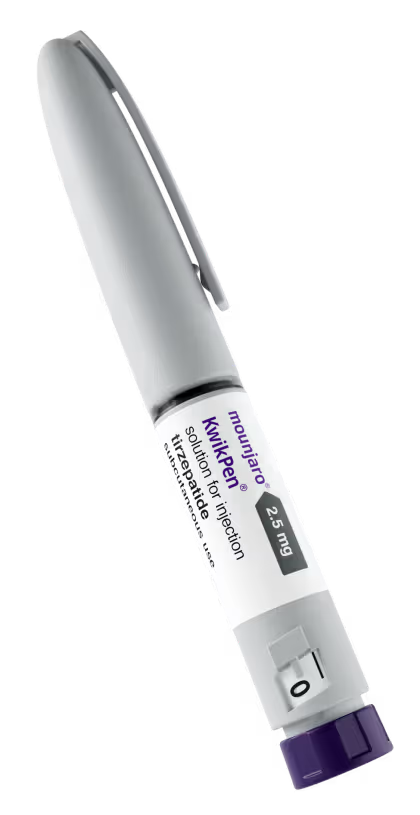
People using GLP-1 weight-loss medications such as Wegovy (available as both a weekly injection and a daily oral tablet), Mounjaro, or Foundayo (a daily pill) may notice similar breath changes. These medicines work by reducing appetite and food intake, which can produce the same calorie-deficit-driven ketosis described above. The management steps are identical. If you are on one of these treatments and concerned about side effects, Totiva's weight loss service includes clinical support throughout your treatment.
Got questions? Speak to a pharmacist on WhatsApp now
Prefer to browse first? View treatments
When the smell signals something more serious#
Diet-related ketosis breath and diabetic ketoacidosis (DKA) both produce a fruity smell. DKA is a medical emergency. It occurs when blood glucose rises to dangerous levels, most often in people with type 1 diabetes or undiagnosed type 2 diabetes.
The smells are similar, but DKA comes with other symptoms. These include extreme thirst, needing to urinate very frequently, nausea, vomiting, stomach pain, and confusion. If you have any of these alongside fruity breath, call 999 or go to A&E immediately. Do not wait to see how things develop.
If your breath has a faecal smell, a rotten or sour smell, or does not respond to any oral hygiene improvements, see a dentist. The most common cause of persistent halitosis is gum disease or tooth decay, not diet. A dentist is the right first step, not a GP. If you are struggling to access NHS dental care, NHS 111 can advise on your options.
| Breath type | Likely cause | Action |
|---|---|---|
| Fruity or nail-varnish | Dietary ketosis | Hydration, oral hygiene, dietary adjustment |
| Fruity plus thirst, confusion, vomiting | Diabetic ketoacidosis (DKA) | Call 999 immediately |
| Rotten, sulphurous, persistent | Gum disease or tooth decay | See a dentist |
| Sour or acidic | Acid reflux (GERD) | Speak to a GP or pharmacist |
For more on managing your diet while losing weight, the guide on why you might not be losing weight in a calorie deficit covers related common questions.
FAQs#
Does diet-related bad breath mean my diet is working? Fruity breath is a sign your body is burning fat for fuel, so in that sense yes. It does not mean you need to change anything medically. It is an inconvenient side effect, not a health concern in someone without diabetes.
Can mouthwash actually fix ketone breath? Mouthwash masks it temporarily and reduces the bacterial contribution, but it does not stop ketone production. The most effective long-term approach is a combination of hydration, tongue cleaning, and regular meals.
Does intermittent fasting make it worse? Yes. Extended fasting windows push the body into deeper ketosis for longer periods each day, which tends to intensify the breath smell compared with a standard three-meals-a-day calorie deficit.
Medical Information: This article is for informational purposes only and does not constitute medical advice. Always consult a qualified healthcare professional before starting, stopping, or changing any treatment.