
Is a Calorie Deficit Necessary to Lose Weight? Yes, but Counting Is Optional
Yes, you need a calorie deficit to lose weight. You don't have to count every calorie to get one. Here is what the NHS advises and what to do if it stalls.
Written and medically reviewed by:

Key Takeaways
Yes, you need to use more energy than you eat to lose fat. You don't have to count calories to do it. Portion changes, protein, activity and sometimes medicines can all help you get there.
Yes. Your body only burns stored fat when it uses more energy than you take in. That holds whatever diet you follow, and whether or not you count calories. What differs from person to person is how you get there and how hard it feels.
Why the maths does not change#
Low-carb plans, intermittent fasting and "clean eating" can all work. They work because they lead you to eat less overall, even when they never mention calories.
The NHS says the average adult needs about 2,000 kcal a day (women) or 2,500 kcal (men) to stay the same weight. Your own figure depends on your age, size and how active you are. To lose weight, the NHS advises cutting about 600 kcal a day and aiming for 0.5 to 1kg (1 to 2lb) a week. Most people land nearer the lower end.
If you take insulin or a sulfonylurea (a type of diabetes tablet), speak to your GP, pharmacist or diabetes team before you cut back on what you eat. Eating less while on these medicines can raise the risk of hypoglycaemia (low blood sugar), and your dose may need to change.
Health conditions can make this harder, but they do not cancel the rule. An underactive thyroid, polycystic ovary syndrome (PCOS) and Cushing's syndrome can raise appetite or slow weight loss. Some medicines can push weight up too, including steroid tablets, some antidepressants, some antipsychotics, insulin and sulfonylureas. Do not stop any of these without advice. Ask your GP or pharmacist if you suspect a link.
You do not have to count every calorie#
Counting is one tool, not a requirement. It is also less exact than it looks. Most people underestimate what they eat, and food labels and apps are only estimates.
Small swaps can add up to a deficit without a spreadsheet. These are rough figures:
- A 330ml can of regular cola swapped for water: about 140 kcal
- A bag of crisps swapped for an apple: about 90 kcal
- Half your usual portion of rice or pasta: about 100 to 200 kcal
- A pint of lager swapped for a soft drink with no sugar: about 180 kcal
Those four changes come to roughly 500 kcal. Calorie labels on menus in larger UK restaurants and cafes can help you choose, too.
The type of food matters for appetite, even though a calorie is a calorie for energy. Protein keeps you full for longer. Ultra-processed foods tend to make people eat more. Aim for protein at each meal, and pair your eating changes with strength work on 2 days a week and 150 minutes of moderate activity a week, as UK guidelines advise. This helps protect your muscle.
Do not go below 800 kcal a day unless a doctor or dietitian is supervising you. If you have had an eating disorder, or counting makes you anxious, talk to your GP first. The charity Beat offers support.
When the scale stops moving#
A slowdown is normal. As you get lighter, your body uses less energy. It can also adapt a little more than your size alone would explain, which is called metabolic adaptation. The effect is usually modest. It does not mean the deficit has stopped working.
Try these steps before changing anything drastic:
- Re-estimate your needs at your new weight
- Track your portions closely for a week, including drinks and snacks
- Keep your protein up and keep lifting or doing resistance work
- Aim for around 7 hours of sleep, as short sleep raises hunger hormones
- Give it 3 to 4 weeks before deciding it has really stalled
If you are stuck despite all this, our guide on why you may not be losing weight in a calorie deficit goes through the common causes.
Got questions? Speak to a pharmacist on WhatsApp now
Prefer to browse first? View treatments
Where weight-loss medicines fit#
Prescription weight-loss medicines do not remove the need for a deficit. They are used alongside changes to eating and activity, not instead of them, and you still need enough protein and activity to protect muscle.
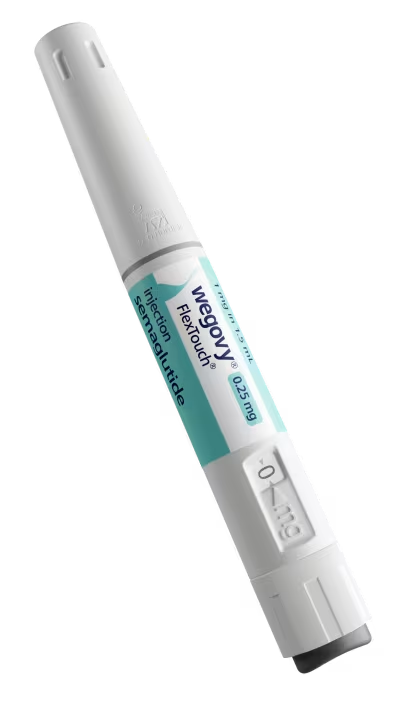
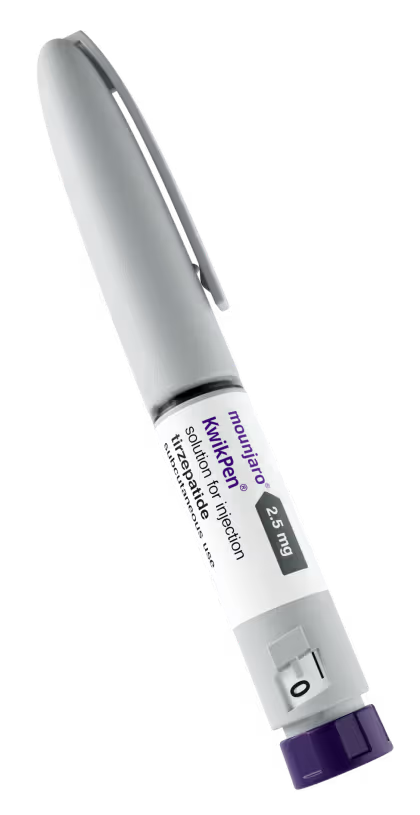
On the NHS, NICE recommends semaglutide (TA875) and tirzepatide (TA1026) only for people who meet set criteria, usually through specialist weight management services. Access is being rolled out in phases. Privately, these are prescription-only medicines. A UK clinician has to assess whether they suit you, usually if your BMI is over 30, or over 27 with a weight-related health condition. If you want to know whether a prescription medicine could be right for you, speak to your GP or another regulated prescriber.
Medical Information: This article is for informational purposes only and does not constitute medical advice. Always consult a qualified healthcare professional before starting, stopping, or changing any treatment.