
Can I Do Intermittent Fasting If I Have Gastritis?
Intermittent fasting is usually a no while gastritis is active. Here is why, how medicines affect the answer, and what a gentler pattern could look like.
Written by:

Medically reviewed by Callum Armstrong, MPharm, Independent Prescriber (IP)
Key Takeaways
Intermittent fasting is usually not advised while gastritis is active, as long gaps and missed medicine timings can worsen symptoms. Once you are symptom-free and treated, a gentle 12-hour overnight gap may be possible. Check with your GP first.
It depends, but while your gastritis is active the answer is usually no. Long gaps between meals tend to make burning, nausea and bloating worse for many people. Once symptoms have settled and the cause has been treated, a gentle version may be possible. Speak to your GP or a pharmacist first.
There are no good trials of fasting in people with gastritis. The advice below rests on how the stomach works, how gastritis medicines are taken, and standard NHS and NICE guidance.
Why a long gap can backfire#
Your stomach keeps making acid when you have not eaten. Food soaks some of it up. With a 16-hour fast, or a 500-calorie day on the 5:2 plan, an inflamed lining is exposed to acid for longer. Some people notice more burning or nausea in the fasting window.
The break-fast meal can cause trouble too. A big, fatty or spicy meal after a long gap is a common trigger for a flare.
The cause of your gastritis matters:
- Short-term (acute) gastritis, for example from alcohol or anti-inflammatory painkillers such as ibuprofen. Wait until it has fully settled, and avoid the trigger in the meantime. If the trigger is a medicine prescribed by a clinician, including low-dose aspirin, do not stop it without advice from your GP or prescriber.
- H. pylori infection. This bacterial infection should be treated before you try fasting. Your GP can arrange a breath or stool test. You need to stop any acid-reducing medicine such as omeprazole for 2 weeks before the test, so check with your GP or pharmacist first.
- Autoimmune (atrophic) gastritis. This can lower your vitamin B12 and iron. Eating less overall can add to that risk, so fasting is best avoided without advice from your doctor or a dietitian.
Medicines can decide it for you#
Many gastritis medicines need food or careful timing, and a fasting window gets in the way.
- Omeprazole and lansoprazole work best taken 30 to 60 minutes before a meal. If your first meal is at midday, the timing is awkward.
- NSAIDs such as ibuprofen and aspirin can irritate the stomach and are best avoided if you have gastritis. If you must take one, take it with food and ask your pharmacist about alternatives such as paracetamol. The exception is low-dose aspirin prescribed to protect your heart or circulation. Do not stop it without advice from a clinician, and tell your GP or prescriber about your gastritis so they can review the best approach for you.
- H. pylori treatment is usually a 7-day course of a stomach-acid medicine plus 2 antibiotics. These are taken at set times, often with food. Missing doses can make treatment less likely to work.
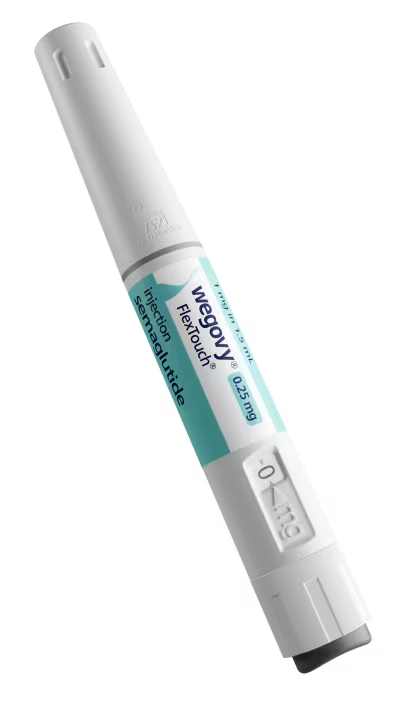
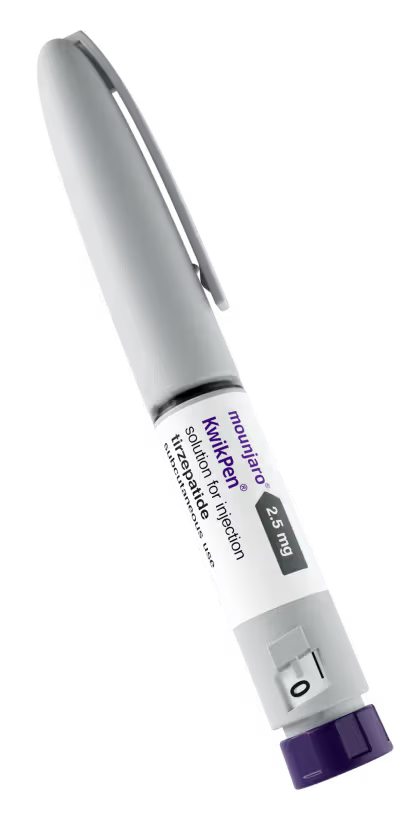
If you are taking a weight-loss injection such as Mounjaro or Wegovy, add one more caution. These medicines commonly cause nausea and slow stomach emptying. They are not recommended in people with severe gastrointestinal disease, and they have not been studied in that group. If you have active gastritis, tell the prescriber at your consultation, and mention any new or worsening stomach symptoms during treatment. Fasting on top of this can add to nausea and stomach discomfort, so check with your prescriber or pharmacist before trying it.
For Ramadan or shift work, talk to your GP or pharmacist before you start. They can help you move medicine times to suit the eating window. Religious fasting is a personal decision, and many people are advised that gastritis is a valid reason not to fast.
A gentler pattern once you are settled#
If your symptoms have gone, you have finished any H. pylori treatment, and your clinician agrees, you could try a 12:12 pattern. That means a 12-hour overnight gap, such as 8pm to 8am. Most people do this already without trying.
Go slowly. Keep meals small and regular, and stop if symptoms return. Do not skip meals to "make up" for a heavy day.
If you try fasting and get a flare, stop and eat something plain, like toast or porridge. An antacid or an alginate such as Gaviscon can ease burning in the short term. A pharmacist can advise on these, and on short-term omeprazole 20mg if it suits you. Over the counter, omeprazole 20mg is licensed as a 14-day course for heartburn. Tell your GP if you have taken it, because omeprazole can affect H. pylori testing. See your GP if symptoms have not settled by the end of the 14-day course, or if they return soon afterwards.
Some symptoms need action sooner:
- Call 999 or go to A&E if you vomit blood or pass black, tarry stools.
- Contact your GP promptly if you have trouble swallowing, vomiting that will not stop, or unplanned weight loss. NICE advises urgent referral for difficulty swallowing, or for anyone aged 55 or over with weight loss plus upper tummy pain, reflux or indigestion.
- Mention tiredness, breathlessness or looking pale at a routine appointment. These can point to anaemia.
Got questions? Speak to a pharmacist on WhatsApp now
Prefer to browse first? View treatments
What to do instead#
The NHS advice for gastritis is to cut back on alcohol and smoking, avoid NSAIDs unless a clinician has prescribed them (for example, low-dose aspirin for heart protection), and notice which foods set you off, such as spicy or fatty meals and coffee. Eating smaller meals at regular times is a sensible way to do that. If weight loss is your goal, a steady calorie deficit built around regular meals is safer for you than fasting. Our guide to intermittent fasting benefits covers what fasting does for weight, and our UK weight loss meal planning guide shows how to eat regularly while losing weight. A dietitian can tailor this to your type of gastritis, and your GP can refer you.
Medical Information: This article is for informational purposes only and does not constitute medical advice. Always consult a qualified healthcare professional before starting, stopping, or changing any treatment.