Does Mounjaro Cause Trapped Wind and Hair Loss?
Mounjaro can cause trapped wind and, indirectly, hair loss. Here's why it happens, how common it is, and what you can actually do about it.
Written by:

Medically reviewed by Chris Armstrong, MPharm
Key Takeaways
Mounjaro commonly causes trapped wind because it slows digestion. Hair shedding affects around 5% of users, usually due to rapid weight loss rather than the drug itself. Both side effects are manageable and temporary for most people.
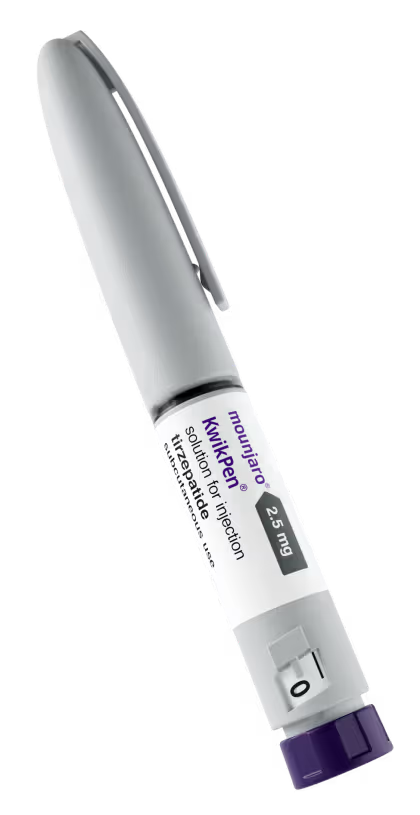
Yes, Mounjaro (tirzepatide) can cause trapped wind. It is listed as a common side effect in the UK Summary of Product Characteristics, meaning it affects up to 1 in 10 people taking the medication. Hair loss is a separate issue that comes up frequently too, and while it is not listed as a direct side effect of the drug itself, it does occur in a meaningful number of people on Mounjaro. Understanding why these things happen, and what you can do about them, makes a real difference to how well you get on with treatment.
Why Does Mounjaro Cause Trapped Wind?#
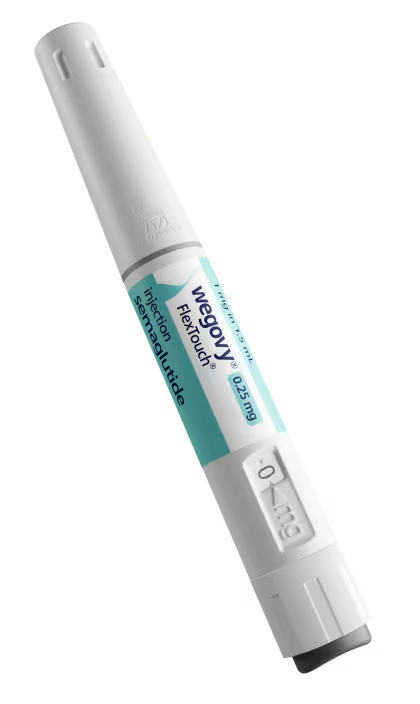
Mounjaro works by activating two gut hormone receptors simultaneously: GLP-1 (glucagon-like peptide-1) and GIP (glucose-dependent insulinotropic polypeptide). This dual action is what makes tirzepatide distinct from earlier weight loss injections like semaglutide (Wegovy). One of the core mechanisms is slowing gastric emptying, which means food moves through your digestive system more slowly than usual.
When food lingers in the gut for longer, undigested carbohydrates and dietary fibre reach the colon, where bacteria ferment them and produce gas. This is the primary reason for trapped wind, bloating, and flatulence on Mounjaro. It is the same reason these symptoms are common with any GLP-1 class medication.
There is also a dietary factor worth mentioning. Many people on Mounjaro naturally start eating more fibre-rich foods as part of a healthier diet, or they experience changes in appetite that lead to different food choices. Both of these can independently increase gas production, separate from what the drug itself is doing.
Some people also notice increased belching (eructation), which is also listed in the prescribing information as a common adverse reaction.
How Common Is It, and When Does It Tend to Happen?#
Across the SURMOUNT clinical trials, gastrointestinal side effects were among the most frequently reported adverse events with tirzepatide. Nausea was the most common, reported in roughly 20-30% of participants at higher doses. Flatulence, bloating, and belching were less prevalent but still affected a significant minority.
These symptoms are most pronounced in two situations. The first is during the initial weeks of starting the medication. Your gut takes time to adapt to the slower motility. The second is following each dose escalation, as the dose increases from 2.5 mg up through 5 mg, 7.5 mg, 10 mg, 12.5 mg, and 15 mg on the standard schedule. Each step up can temporarily bring the symptoms back, even if they had settled at the previous dose.
For most people, trapped wind and bloating are manageable nuisances rather than treatment-stopping problems, and they typically ease within two to four weeks at each dose level.
Managing Trapped Wind on Mounjaro#
There are several practical things you can do, and most do not require stopping the medication.
Eat smaller, slower meals. Because gastric emptying is already slowed by Mounjaro, large meals take even longer to process. Eating smaller portions more slowly gives your digestive system a better chance of keeping up. Chewing thoroughly and avoiding eating quickly both help.
Reduce gas-producing foods temporarily. Certain foods produce more fermentation in the colon than others. These include onions, garlic, cabbage, beans, lentils, broccoli, carbonated drinks, and sugar alcohols (such as sorbitol or xylitol, often found in sugar-free products and chewing gum). You do not need to eliminate these foods permanently, but cutting back during the first few weeks at a new dose can reduce symptoms noticeably.
Avoid eating while lying down, or lying down immediately after meals. This can slow digestion further and worsen bloating.
Over-the-counter remedies. Simethicone-based products (such as Windeze or Deflatine) help break up gas bubbles in the gut and are generally considered safe alongside Mounjaro. Activated charcoal tablets are another option some people find helpful, though it is worth noting that charcoal can theoretically reduce absorption of some medications if taken at the same time; leave a gap of at least two hours between charcoal and any other medication. Buscopan (hyoscine butylbromide) can help with cramping and spasms associated with trapped wind, though it is best used for occasional relief rather than daily. If you are unsure which product suits your situation, a pharmacist can advise you without the need for an appointment.
Stay well hydrated. Adequate water intake helps keep digestion moving and reduces constipation, which can compound bloating.
When to Speak to Your Doctor or Pharmacist#
Mild trapped wind does not usually need medical attention. However, there are situations where it is worth getting advice. If your symptoms are severe, persistent beyond four to six weeks at a stable dose, or accompanied by significant abdominal pain, you should speak to your prescriber. Persistent nausea, vomiting that stops you eating, or any blood in your stool are signs that something else may need investigating.
If you experience side effects from any medicine, you can report them directly to the MHRA via the Yellow Card scheme at yellowcard.mhra.gov.uk. This is an important part of post-marketing surveillance and helps improve the understanding of how medicines behave in real-world use.
Does Mounjaro Cause Hair Loss?#
This is one of the most commonly asked questions about Mounjaro, and it deserves a careful answer rather than a simple yes or no.
Hair loss (alopecia) is not listed as a direct side effect in Mounjaro's UK prescribing information. However, data from the SURMOUNT-1 trial found that alopecia occurred in approximately 4.9 to 5.7% of participants taking Mounjaro at doses between 5 mg and 15 mg, compared to just 0.9% in the placebo group. That is a meaningful difference, and it is why this question keeps coming up.
For comparison, semaglutide (Wegovy) trials reported hair loss in around 3% of participants versus 1% on placebo. So both medications are associated with higher rates of hair shedding than placebo, and Mounjaro's rate appears slightly higher, likely reflecting the greater degree of weight loss it produces.
Got questions? Speak to a pharmacist on WhatsApp now
Prefer to browse first? View treatments
Why the Drug Probably is Not Directly to Blame#
The prevailing clinical view is that the hair loss most people experience on Mounjaro is not caused by the drug acting directly on hair follicles. It is most likely a consequence of rapid weight loss and the physiological stress this places on the body.
The condition is called telogen effluvium. Under normal circumstances, your hair follicles cycle through phases of growth (anagen), transition (catagen), and rest (telogen). During periods of significant physical stress, including rapid weight loss, illness, surgery, or nutritional deficiency, a larger than normal proportion of follicles prematurely enter the telogen (resting) phase. Roughly 12 weeks later, when these follicles shed, you notice increased hair loss. This explains the typical timing: most people on Mounjaro notice hair shedding two to four months into treatment, when weight loss is often most rapid.
This same phenomenon is well documented after bariatric surgery, where weight loss is dramatic and fast. The hair loss is temporary, which is the important point.
The Role of Nutritional Deficiency#
Rapid calorie restriction, particularly if protein intake is inadequate, compounds the telogen effluvium effect. Hair follicles are among the most metabolically active tissues in the body and are highly sensitive to nutrient shortfalls. The nutrients most commonly linked to hair loss during calorie restriction are:
- Iron and ferritin. Low ferritin (stored iron) is one of the most common reversible causes of diffuse hair shedding in women, even before full anaemia develops. If you are losing weight quickly, it is worth asking your GP to check a ferritin level rather than just a full blood count.
- Zinc. Involved in hair follicle cycling. Restriction or malabsorption can disrupt normal growth.
- B vitamins, particularly B12 and folate. These support cell turnover throughout the body, including in hair follicles. People on metformin (often prescribed alongside tirzepatide for type 2 diabetes) should be aware that metformin reduces B12 absorption over time, so a B12 level is worth monitoring.
- Protein. Hair is made largely of keratin, a protein. If your overall protein intake falls too low while on Mounjaro, your body prioritises protein for essential organs over non-essential structures like hair. Aim for at least 1.2 g of protein per kilogram of body weight daily during active weight loss.
- Vitamin D. Low vitamin D is linked to diffuse hair thinning and is extremely common in the UK, particularly in winter.
Biotin is frequently mentioned in this context, and you will find many supplements marketed specifically for hair loss on weight loss medications. The evidence for biotin supplementation is actually quite thin unless you have a documented deficiency, which is rare. High-dose biotin can also interfere with certain blood tests, including thyroid function tests and troponin assays, so it is worth mentioning it to your doctor if you are taking it.
When to Ask for Blood Tests#
If you are experiencing noticeable hair shedding on Mounjaro, it is reasonable to ask your GP for a blood test panel. The most clinically useful markers to check are:
- Ferritin (not just haemoglobin)
- Thyroid function (TSH, free T4)
- Serum B12 and folate
- Vitamin D
- Full blood count
- Zinc (less routinely tested but worth requesting if you suspect dietary deficiency)
Thyroid dysfunction in particular can independently cause diffuse hair loss and is sometimes mistakenly attributed to Mounjaro when the underlying cause is an undiagnosed thyroid problem. A simple blood test can distinguish between the two.
Ready to see if treatment could work for you?
Will the Hair Grow Back?#
For most people, yes. Telogen effluvium is typically self-limiting. Once weight loss slows and nutritional status stabilises, the hair follicles return to normal cycling. The regrowth timeline follows the biology: expect to see new growth starting around three to six months after the period of rapid shedding, with meaningful recovery at six to twelve months. The regrowth phase often begins with short, fine hairs at the scalp before the hair shaft returns to normal thickness.
There is no need to stop Mounjaro for hair shedding alone, particularly if the medication is working well for you. Addressing nutritional deficiencies and ensuring adequate protein intake is the most clinically sensible response.
Does Hair Loss Differ Between Men and Women on Mounjaro?#
Telogen effluvium can affect anyone, but women are statistically more likely to experience it, partly because iron deficiency is more common in women of reproductive age. Men on Mounjaro who notice hair thinning may be experiencing either telogen effluvium or the unmasking of pre-existing androgenetic alopecia (male pattern baldness). These are different conditions with different treatments. If the pattern of hair loss is diffuse (across the whole scalp), telogen effluvium is more likely. If it follows the temples and crown, androgenetic alopecia is more probable.
For men concerned about pattern hair loss alongside or separately from weight loss medication, effective treatments including finasteride and minoxidil are available. You can read more about options at Totiva's hair loss service.
Practical Tips for Protecting Your Hair on Mounjaro#
- Hit your protein target daily. Greek yoghurt, eggs, chicken, fish, legumes, and cottage cheese are all high-protein, filling choices that fit well with the reduced appetite Mounjaro produces.
- Consider a broad-spectrum multivitamin during active weight loss as nutritional insurance, particularly one that includes iron (if you are a menstruating woman) and B vitamins.
- Be gentle with your hair. Avoid tight hairstyles, excessive heat, and harsh chemical treatments during the shedding phase, as these add mechanical stress to already vulnerable follicles.
- Get your ferritin checked early, ideally before hair shedding starts, so you have a baseline.
- Keep your prescriber informed. If side effects are affecting your quality of life or making it harder to stick with treatment, adjusting the dose escalation schedule is an option.
If you are considering starting Mounjaro or are already taking it and want pharmacist-led support with side effect management, Totiva's online weight loss consultations are run by UK-registered pharmacists who understand the nuances of tirzepatide treatment. You can start a weight loss consultation here.
Managing side effects like trapped wind and hair shedding does not have to mean stopping a treatment that is working for you. A little practical knowledge goes a long way.
Medical Information: This article is for informational purposes only and does not constitute medical advice. Always consult a qualified healthcare professional before starting, stopping, or changing any treatment.