








Cider Vinegar Pills for Weight Loss: Little Proof and Some Real Risks
Do cider vinegar pills help you lose weight? The trials are small and mostly used liquid vinegar. Here is what they found, the risks, and what the NHS offers instead.


Key Takeaways
Cider vinegar pills have no solid proof for weight loss. The most-quoted trial was a single small Japanese study of liquid vinegar, in which the vinegar groups lost about 1.2 to 1.7kg over 12 weeks. Pills can irritate the gullet and clash with some diabetes and water tablets.
No, there is no good proof that cider vinegar pills help you lose weight. The best-known trial used liquid vinegar, not capsules, and found a small effect of about 1.2 to 1.7kg over 12 weeks. Pills have been tested far less, and they carry a few risks of their own.
Where the claim comes from#
The idea is that acetic acid, the main acid in vinegar, may make you feel fuller or slow how quickly sugar reaches your blood. Capsules appeared because many people cannot stand the taste of a tablespoon of vinegar.
Check your BMI
Not sure where you stand? Work out your BMI in seconds and see whether weight loss treatment could be an option.
What the trials measured#
The study most often quoted is a 2009 Japanese trial in 175 adults with a BMI of 25 to 30. For 12 weeks they drank either a placebo or a vinegar drink with 15ml or 30ml of vinegar a day. Both vinegar groups lost a little weight and waist size, about 1.2 to 1.7kg, while the placebo group gained a little.
That is a modest result from a single short trial. Research in this area has generally been small and short, and it has used different doses, so confidence in the result is low.
Most of this research used liquid vinegar. A trial of a drink tells you little about a capsule.
Why pills are a weaker bet#
A tablespoon (15ml) of ordinary 5% vinegar has about 750mg of acetic acid. Capsules usually hold dried vinegar powder, and the acetic acid content is often not stated. It also varies between brands, so you cannot tell if you are getting a trial-sized dose.
These are food supplements. The Food Standards Agency and Trading Standards oversee them, but they are not tested like medicines. The GB Nutrition and Health Claims Register has no authorised weight-loss claim for apple cider vinegar. If an advert promises weight loss, the Advertising Standards Authority can act on it.
Phrases like "with the mother" sound reassuring, but they are not proof of any benefit.
Safety and interactions#
Pills have a risk that liquid does not: a capsule can stick in the gullet and burn it. There are case reports of this. Swallow with a full glass of water and stay upright afterwards. Heartburn and nausea are common. Liquid vinegar has its own problem, as it can wear down tooth enamel.
Very high intakes can cause harm. One case report describes a woman who drank about 250ml of cider vinegar a day for 6 years. She developed low potassium and thinning bones.
Check with a pharmacist first if you take any of these:
- Insulin or sulfonylureas such as gliclazide: blood sugar may drop further.
- Diuretics (water tablets), digoxin or laxatives: these can already lower potassium, and vinegar may add to that.
- Medicines for reflux or ulcers: the acid may make symptoms worse.
People with gastroparesis (slow stomach emptying), which can happen in diabetes, should speak to a clinician before using it. Vinegar slowed stomach emptying in a small study of people with type 1 diabetes. Anyone with kidney disease should also ask first.
Weight loss treatments we prescribe
If you still want to try them#
Pick a product that states the acetic acid or vinegar content per capsule, and never take more than the label says. Gummies are no better. They often contain added sugar, which works against you. A month of capsules is also money that could go towards food or a gym pass that has better evidence behind it.
Stop and speak to a pharmacist or GP if you have pain on swallowing, chest pain, repeated vomiting, black stools or muscle weakness.
Where to go instead#
The NHS Weight Loss Plan app is free and runs for 12 weeks. NICE guidance (NG246) says adults with a BMI of 30 or more can ask their GP about a referral to a weight management service. The threshold is lower for some ethnic backgrounds, and for people with weight-related conditions.
Prescription options include orlistat. Wegovy and Mounjaro are available through NHS specialist services, usually for a higher BMI plus a weight-related health condition, and access is being rolled out in phases. If you want to see how private prescribing compares, our weight loss hub explains the options. If you are weighing up another supplement, our guide to psyllium husk for weight loss is a useful next read.
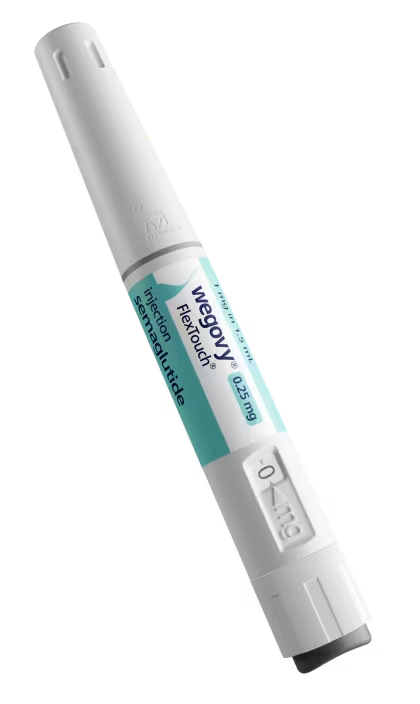
Is Wegovy right for you?
From£92.88a month
Answer a few questions and a pharmacist will review whether treatment is suitable. You only pay if you're approved.
- GPhC-registered pharmacists
- Free online consultation
- Discreet, tracked delivery
Frequently asked questions
- 1
Kondo T et al. (2009). Vinegar intake reduces body weight, body fat mass, and serum triglyceride levels in obese Japanese subjects. Bioscience, Biotechnology, and Biochemistry
View source - 2
Review authors (2025). Effect of Apple Cider Vinegar Intake on Body Composition in Humans with Type 2 Diabetes and/or Overweight: A Systematic Review and Meta-Analysis of Randomized Controlled Trials. BMJ Nutrition, Prevention & Health
View source - 3
Lhotta K et al. (1998). Hypokalemia, hyperreninemia and osteoporosis in a patient ingesting large amounts of cider vinegar. Nephron
View source - 4
NICE (2025). Overview | Overweight and obesity management | Guidance. NICE Clinical Guidelines
View source - 5
GOV.UK (2024). Great Britain nutrition and health claims (NHC) register. GOV.UK
View source
Medical Information: This article is for informational purposes only and does not constitute medical advice. Always consult a qualified healthcare professional before starting, stopping, or changing any treatment.


