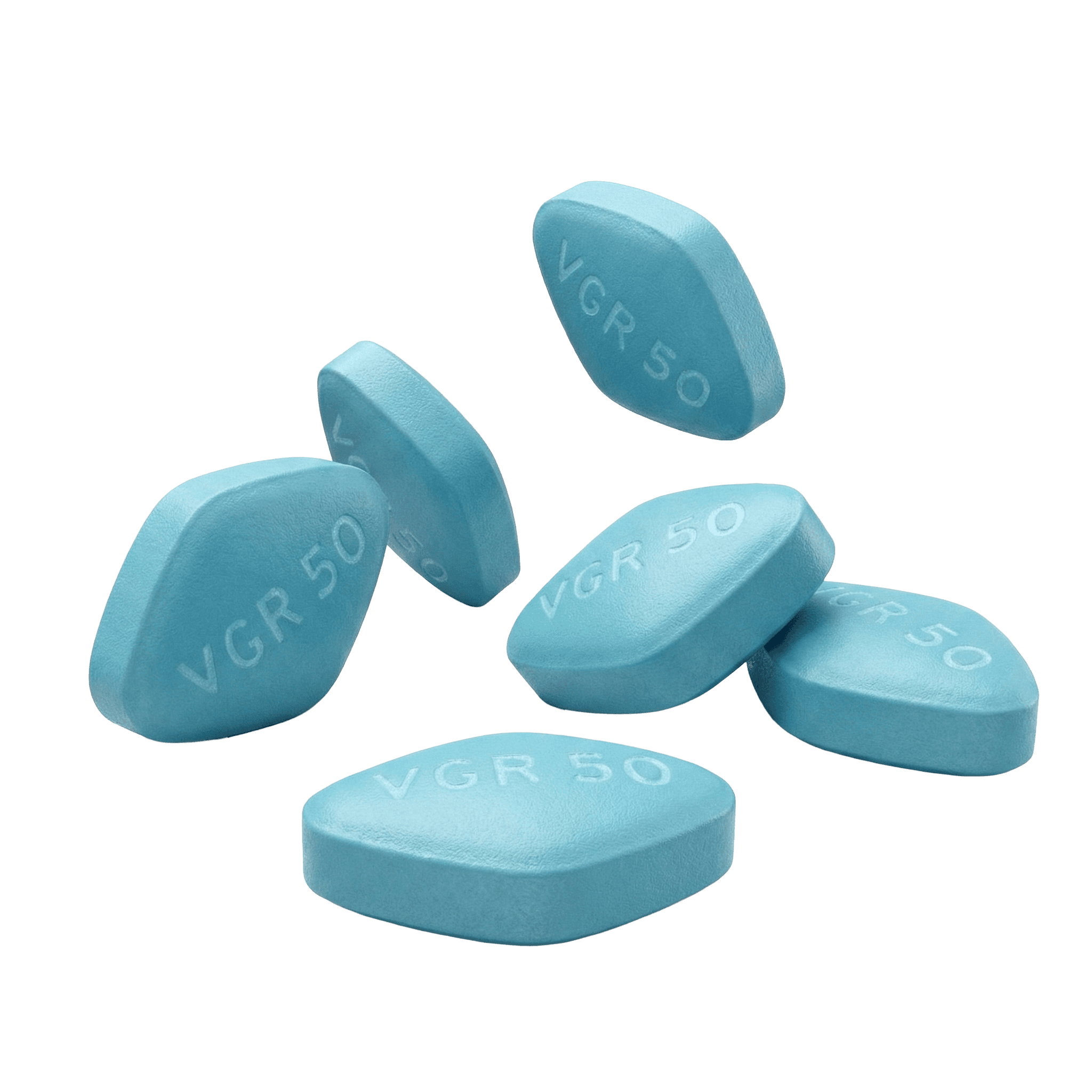
How Long Does Sildenafil Take to Work? Timing, Tips and What Affects It
Sildenafil typically kicks in within 30-60 minutes, but food, alcohol and age all affect timing. Here's what to expect and how to get the best results.
Written by:

Medically reviewed by Chris Armstrong, MPharm
Key Takeaways
Sildenafil typically kicks in within 30-60 minutes, with peak effects at around one hour. Food, alcohol and metabolism all affect timing. It requires sexual stimulation to work and lasts around 4-5 hours.
Sildenafil usually starts working within 30 to 60 minutes of taking a tablet. Peak concentration in the bloodstream happens at around the one-hour mark, which is when most men notice the strongest effect. If you've taken it and nothing seems to be happening after 20 minutes, that's completely normal. Give it time.
One thing worth being clear on: sildenafil doesn't cause an automatic erection. It works by increasing blood flow to the penis in response to sexual stimulation. The medication creates the conditions for an erection, but arousal still needs to happen on your part. Without it, the drug won't do much.
How Long Does It Last?#
The effects of sildenafil generally last for four to five hours. That doesn't mean you'll have an erection for four to five hours (that would actually be a medical problem worth calling a doctor about). It means that within that window, sexual stimulation is more likely to produce a reliable erection.
The drug is gradually metabolised and cleared from your system over this period. For most men, the first two hours tend to be the most effective window.
What Affects How Quickly Sildenafil Works?#
Several things influence how fast sildenafil kicks in, and understanding them makes a real practical difference.
Food#
This is the big one. Taking sildenafil after a large, high-fat meal can delay absorption by up to an hour. Fatty foods slow gastric emptying, which means the drug sits in your stomach longer before being absorbed into the bloodstream.
For the fastest onset, take sildenafil on an empty stomach or after a light snack. A heavy meal at a restaurant followed by a tablet is a reliable way to find yourself waiting longer than expected.
Alcohol#
Alcohol doesn't directly block sildenafil, but it does make things more complicated. Both alcohol and sildenafil lower blood pressure, so combining them increases the risk of dizziness and lightheadedness. Alcohol also reduces the quality of erections independently, so drinking heavily before relying on sildenafil tends to undermine the whole plan. A drink or two is unlikely to cause problems for most men, but more than that and you're working against yourself.
Your Dose#
Sildenafil comes in 25mg, 50mg and 100mg tablets. The standard starting dose recommended by NICE is 50mg. Higher doses don't necessarily work faster, but they may produce a stronger effect. If 50mg isn't giving you reliable results, that's worth discussing with a prescriber rather than just taking more.
At Totiva, sildenafil 50mg is available from £4.99 for four tablets, and 100mg from £6.99 for four, making it considerably more affordable than branded Viagra while containing exactly the same active ingredient.
Metabolism and Age#
Younger men with faster metabolisms may find sildenafil absorbs quickly and wears off sooner. Older men, particularly those over 65, often process the drug more slowly, which can mean a slightly delayed onset but a longer duration of action. Liver function also affects this: impaired liver function slows metabolism, meaning the drug stays active longer and at higher concentrations.
For men over 65, prescribers often start with a lower dose (25mg) partly because of this slower clearance rate.
Underlying Health Conditions#
ED is frequently linked to conditions affecting blood flow, including cardiovascular disease, diabetes and hypertension. These conditions can also affect how well sildenafil works, not just how quickly. If your circulation is compromised, the drug has harder work to do. Managing these underlying conditions tends to improve the response to sildenafil over time.
Not sure which treatment is right for you?
Sildenafil vs Tadalafil: Onset Comparison#
If timing is a priority for you, it helps to know how sildenafil compares to tadalafil.
| Medication | Typical Onset | Duration |
|---|---|---|
| Sildenafil (as-needed) | 30-60 minutes | 4-5 hours |
| Tadalafil (as-needed) | 30-60 minutes | Up to 36 hours |
| Daily tadalafil (2.5mg/5mg) | Continuous effect | Ongoing |
Tadalafil's much longer duration is why many men prefer it for spontaneity. With as-needed tadalafil, a single dose can cover an entire weekend. Daily tadalafil at a low dose removes the timing element altogether, providing continuous background support for erectile function.
You can see all the options available at Totiva's ED treatment page, including pricing for both sildenafil and tadalafil.
How to Take Sildenafil for the Best Results#
Timing matters more than many men realise. Here's what actually makes a difference:
- Take it 45-60 minutes before you anticipate needing it, not right before
- Avoid large meals for at least two hours beforehand if possible
- Keep alcohol moderate
- Don't take it and then wait anxiously, that kind of performance anxiety can work against you
- Sexual stimulation is essential. The drug needs arousal to activate the physiological response
- Stick with your prescribed dose. Don't take more thinking it'll work faster or better without medical guidance
One thing worth knowing: if the first time you try sildenafil doesn't go well, that's not a verdict on whether it works for you. Clinical research suggests men should try sildenafil at least four to eight times under good conditions before concluding it isn't effective. First attempts often come with nerves, unfamiliar timing and suboptimal conditions.
Psychological Factors Matter More Than People Admit#
This doesn't get talked about enough. Performance anxiety is genuinely one of the most common reasons sildenafil doesn't seem to work, even when physiologically everything should be fine. The anticipation of ED can create a self-fulfilling cycle: worry reduces arousal, which reduces the effect of the medication, which increases worry.
Sildenafil removes the physiological barrier to an erection, but it can't fully compensate for a significant anxiety response. If you find that sildenafil consistently fails in high-pressure situations but works fine when you're relaxed, that's a sign the issue may be partly psychological. Talking to a GP or therapist alongside medication can make a meaningful difference.
Got questions? Speak to a pharmacist on WhatsApp now
Prefer to browse first? View treatments
When Sildenafil Doesn't Work as Expected#
If sildenafil isn't giving you results after several attempts, run through this checklist before concluding it isn't for you:
Was it taken on an empty stomach? If not, food delay is a likely culprit.
Was there alcohol involved? Even moderate drinking can reduce effectiveness.
Was there adequate sexual stimulation? The medication needs this to work.
Was it given enough time? Waiting only 15-20 minutes before giving up is too short.
Is the dose appropriate? If 50mg consistently underdelivers, 100mg may be more suitable.
Are there underlying health issues? Diabetes, hypertension or cardiovascular disease can reduce response rates. These are worth addressing with your GP.
Are you taking other medications? Certain drugs, including some antihypertensives and antidepressants, can interact with sildenafil or independently affect erectile function.
If you've tried sildenafil multiple times under reasonable conditions and it still isn't working, switching to tadalafil is a sensible next step. The two drugs work similarly but some men respond better to one than the other, possibly due to differences in how they're metabolised.
Getting Sildenafil in the UK#
In the UK, sildenafil is available on NHS prescription for men whose ED is linked to certain conditions, including diabetes, multiple sclerosis, prostate cancer treatment and a number of other specified causes. Outside those conditions, NHS prescribing for ED is at GP discretion, and some GP practices are more flexible than others.
Privately, sildenafil has been available over the counter in the UK since 2018 in its branded form (Viagra Connect), but generic sildenafil still requires a prescription. A pharmacist consultation, either in-person or online, is the usual route.
Online consultations through a regulated pharmacy are often the most practical option for most men. Through Totiva's pharmacist-led service, you complete a free consultation and only pay if treatment is approved. There's no subscription required and no awkward photos. Sildenafil 50mg starts at £4.99 for four tablets.
A Note on Sildenafil vs Branded Viagra#
Sildenafil is the generic form of Viagra. They contain the same active ingredient at the same dose, work through the same mechanism and have the same clinical profile. The only real difference is price. Generic sildenafil is typically around 80% cheaper than branded Viagra Connect.
From a pharmacological standpoint, there's no reason to pay more for the brand name unless you have a personal preference.
When to Seek Medical Advice#
A few situations warrant prompt medical attention:
- Chest pain or shortness of breath after taking sildenafil. Stop and call 999. Do not take nitrates (including GTN spray) alongside sildenafil.
- An erection lasting more than four hours (priapism). This requires emergency treatment to avoid permanent damage.
- Sudden vision or hearing changes after taking sildenafil. These are rare but serious side effects.
For most men, sildenafil is well-tolerated. Common side effects include headache, flushing and nasal congestion, which are generally mild and short-lived.
If you'd like to explore your options with a pharmacist who can match the right treatment to your situation, Totiva's online consultation is free and takes just a few minutes to complete. You only pay if treatment is approved.
Not sure which treatment is right for you?
Medical Information: This article is for informational purposes only and does not constitute medical advice. Always consult a qualified healthcare professional before starting, stopping, or changing any treatment.