




Type 2 Diabetes and Erectile Dysfunction: Why It Happens and What Helps
Type 2 diabetes can cause erectile dysfunction by damaging blood vessels and nerves. Here is why it happens, what can improve it and how to get treatment in the UK.


Key Takeaways
Type 2 diabetes can damage blood vessels and nerves, which causes ED. Better control helps, and tablets work for many men. ED can also warn of heart problems, so ask for a check.
Yes, type 2 diabetes can cause erectile dysfunction (ED). Men with diabetes are up to 3 times more likely to have it than men without, and it often starts earlier. Most men can be helped, and ED tablets can be prescribed on the NHS for men with diabetes.
How high blood sugar affects an erection#
An erection needs healthy blood vessels, working nerves and the right hormones. Diabetes can interfere with all three.
- Blood vessels: Years of high blood sugar damage the lining of small arteries. They then struggle to widen and let blood into the penis.
- Nerves: Diabetic neuropathy (nerve damage) weakens the signals between the brain and the penis. Numb or tingling feet can be a clue that nerves are affected.
- Testosterone: Many men with type 2 diabetes have lower levels, especially if they carry weight around the middle. Low testosterone mostly lowers sex drive, but it can add to ED.
- Mood: Stress, low mood and worry about performance are common with a long-term condition. They can keep the problem going.
Here is a typical example. A man of 54 was diagnosed with type 2 diabetes 8 years ago and his blood sugar has often run high. His erections get softer, then his morning erections fade. The cause is probably a mix of narrowed vessels and some nerve change. After a few bad experiences, anxiety makes it worse.
How common is it?#
Diabetes UK estimates about 5.8 million people in the UK have diabetes, and around 9 in 10 of them have type 2. Studies suggest roughly half of men with diabetes have some degree of ED. The risk rises with age, with how long you have had diabetes and with poor blood sugar control.
South Asian and Black communities develop type 2 diabetes more often, and often younger, so they may notice ED sooner. Men with type 1 diabetes get ED through the same routes.
Discreet 2-minute ED assessment
Answer a few private questions online. A pharmacist will check which treatment suits you, with no face-to-face appointment.
ED can be an early warning for your heart#
The arteries that supply the penis are very small. They can show damage before the larger arteries to the heart do. So new ED in a man with diabetes is a reason to check blood pressure, cholesterol, kidney function and heart risk, not just to treat the ED.
Get urgent help for ED with chest pain, breathlessness on effort or fainting. Also seek prompt advice if ED starts suddenly, or comes with foot numbness, foot sores or signs of very high blood sugar such as extreme thirst.
Can better control improve it?#
Sometimes, yes. Better blood sugar control, weight loss, regular exercise, stopping smoking and cutting back on alcohol can all help blood flow. This works best early, before damage has built up.
Nerve damage is harder to undo. Control can stop it getting worse, but it may not bring erections fully back on its own.
If you are overweight, the NHS Type 2 Diabetes Path to Remission programme and weight loss treatment can help. Losing weight tends to improve testosterone and blood flow. Weight loss has not been proven to fix ED on its own, so tablets may still be needed.
Treatment options#
| Option | How it works | Points for men with diabetes |
|---|---|---|
| Sildenafil | Taken 30 to 60 minutes before sex, lasts up to 4 hours | First choice on the NHS |
| Tadalafil as needed | Lasts up to 36 hours | Allows more spontaneity |
| Daily tadalafil | Low dose every day | Suits frequent sex. Not a treatment for blood sugar |
| Vardenafil or avanafil | Similar tablets | Worth trying if the first drug fails |
| Vacuum pump | Draws blood in, a ring keeps it there | No drugs, so useful if tablets are unsafe |
| Alprostadil | Gel, pellet or injection into the penis | Specialist next step if tablets fail |
Tablets can work less well in men with diabetes. Before deciding one has failed, you usually need to try the highest suitable dose several times, with sexual stimulation, and not after a heavy meal.
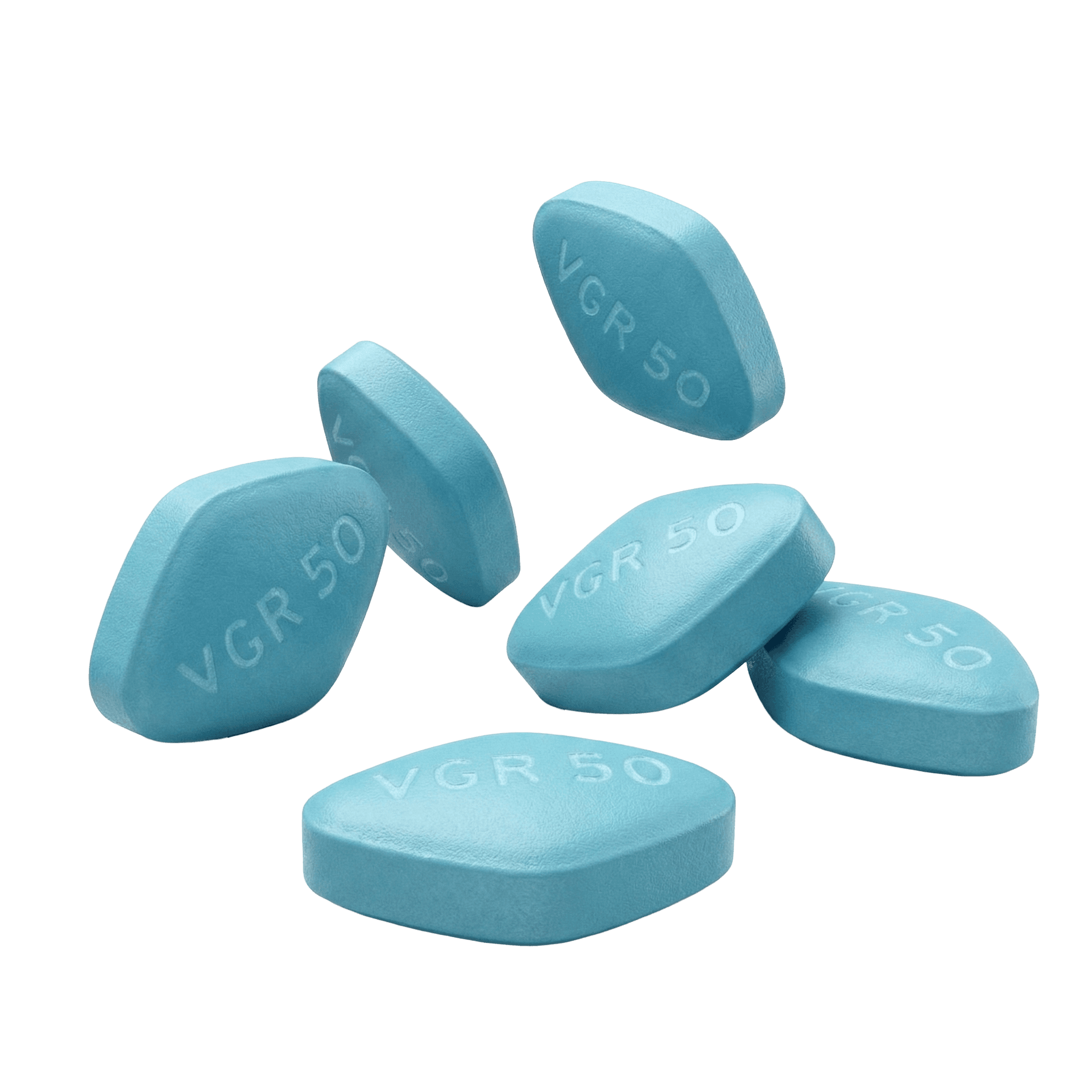
For as-needed use, the licensed sildenafil dose usually starts at 50mg and can be increased to a maximum of 100mg. Tadalafil usually starts at 10mg and can be increased to a maximum of 20mg. Your prescriber may suggest a lower starting dose if you have kidney or liver problems or take certain other medicines. Whichever tablet you use, the maximum is one dose in 24 hours, so never take more than once a day. Do not go above the licensed maximum if a lower dose does not work. Ask your prescriber instead.
If the tablet still fails at the highest dose you can tolerate, ask about another tablet, a pump or injections. Your GP can also refer you to a specialist.
Safety checks#
ED tablets are not safe for everyone. Tell your prescriber or pharmacist about all your medicines, including those you buy yourself, and about any heart, eye or blood pressure problems.
Do not take ED tablets if you:
- take nitrates (for angina) or nicorandil, because blood pressure can drop dangerously
- use recreational nitrites (poppers), which carry the same risk
- take riociguat (used for certain types of high blood pressure in the lungs)
- have had a heart attack or stroke recently, generally within the last 6 months
- have unstable angina or severe low blood pressure
- have been told your heart is too weak for sex
Take extra care and get advice first if you:
- take alpha-blockers or other blood pressure medicines, as these can lower blood pressure further
- take strong CYP3A4 inhibitors, such as ketoconazole, itraconazole, clarithromycin or ritonavir. These raise the level of the ED drug in your blood, so the dose may need to be lower or a different treatment chosen
- have diabetic retinopathy or other retinal disease. Tell your doctor if you have retinitis pigmentosa (an inherited eye condition) or have ever lost vision in one eye. ED tablets have been linked to a rare condition called non-arteritic anterior ischaemic optic neuropathy (NAION), which can cause sudden sight loss. If you lose vision suddenly in one or both eyes while using a tablet, stop taking it and get urgent medical help
Priapism: an erection that lasts more than 4 hours, with or without pain, is a medical emergency. Go to A&E or call 999 straight away. Delay can cause permanent damage.
If you are not sure whether tablets are safe for you, ask your GP, diabetes nurse or pharmacist before you start.
ED treatments we prescribe
Other medicines can add to the problem#
Some common medicines can affect erections, including beta-blockers, thiazide water tablets and some antidepressants. Our guide to beta blockers and erectile dysfunction explains this in more detail. Ask for a medicine review instead of stopping anything yourself.
There is no clear evidence that SGLT2 inhibitors (such as dapagliflozin) cause ED. They can cause genital thrush, which makes sex sore. Tell your GP or pharmacist if that happens. Rarely, SGLT2 inhibitors can also cause a serious genital infection called Fournier's gangrene. Get urgent medical help if you have pain, tenderness, redness or swelling around the genitals or back passage, especially with a fever or feeling generally unwell.
Low testosterone#
If your sex drive has dropped as well, ask for a morning blood test for testosterone. It is usually repeated to confirm a low result. Testosterone treatment is only started after specialist assessment, because it has risks. Losing weight and better sleep often raise levels first.
Getting help in the UK#
Your annual diabetes review is a good time to raise it. A GP or practice nurse will ask about symptoms and medicines, check your blood pressure and feet, and usually arrange blood tests. These typically include HbA1c, cholesterol and kidney function, plus testosterone if indicated.
Men with diabetes can be prescribed ED medicines on the NHS. The GP may limit how many tablets you get each month.
You can also talk to a pharmacist. Viagra Connect (sildenafil 50mg) is available in pharmacies after a consultation, but a pharmacist may advise you to see your GP first if you have diabetes, so you may not be able to buy it straight away. Other ED tablets need a prescription. Be careful with pills sold online without a consultation. The MHRA warns that many are fake or contain the wrong dose, which matters more if you have heart or blood pressure problems.
If you prefer to go online, check that the pharmacy is on the GPhC register. A regulated service such as Totiva's ED service reviews your health and medicines before prescribing, and tells you if tablets are not suitable.
If it is hard to bring up, try saying: "I've noticed problems with erections since my diabetes, and I'd like to talk about it." GPs hear this often. Counselling can help if anxiety is a big part of it, and your GP can refer you to NHS talking therapies or psychosexual therapy.
To start, book your next diabetes review or a GP visit, and bring a list of your medicines.
Is Sildenafil right for you?
From£6.99
A pharmacist reviews your answers and recommends a treatment. You only pay if you're approved, and it arrives in plain packaging.
- GPhC-registered pharmacists
- Free online consultation
- Discreet, tracked delivery
Frequently asked questions
- 1
NICE CKS (2023). Erectile dysfunction | Health topics A to Z | CKS. NICE Clinical Knowledge Summaries
View source - 2
NHS (2023). Erectile dysfunction (impotence). NHS website
View source - 3
Zamponi V et al. (2026). Diabetic Neuropathy and Erectile Dysfunction: Unveiling the Neural Pathways Behind a Vascular Symptom. Journal of Clinical Medicine
View source - 4
Lee MK et al. (2022). Effect of low-dose tadalafil once daily on glycemic control in patients with type 2 diabetes and erectile dysfunction: a randomized, double-blind, placebo-controlled pilot study. Diabetology & Metabolic Syndrome
View source - 5
Diabetes UK (2023). How many people in the UK have diabetes?. Diabetes UK
View source
Medical Information: This article is for informational purposes only and does not constitute medical advice. Always consult a qualified healthcare professional before starting, stopping, or changing any treatment.


