Does Erectile Dysfunction Cause Depression? The Link Goes Both Ways
ED and depression fuel each other in a cycle that's hard to break alone. Here's what's happening, why it matters, and what you can actually do about it.
Written by:

Medically reviewed by Callum Armstrong, MPharm, Independent Prescriber (IP)
Key Takeaways
ED and depression often cause each other, creating a cycle that can feel hard to escape. Antidepressants can also contribute. But both conditions respond well to treatment, whether that's therapy, lifestyle changes, or medication.
Yes, erectile dysfunction can cause depression. But the relationship isn't one-directional. Depression can also cause ED, and for many men, both conditions arrive together and make each other worse. Understanding this cycle is often the first step to breaking it.
This is something clinicians see regularly, and it's far more common than most men realise. Around one in six adults in England experiences depression, and ED affects a significant proportion of men at some point in their lives, with rates rising with age. When the two overlap, the psychological toll can be substantial.
How Depression and ED Feed Each Other#
Depression affects the brain's chemistry in ways that directly interfere with sexual function. The neurotransmitters most disrupted by depression, particularly serotonin, dopamine, and noradrenaline, are the same ones that regulate sexual desire and the physical process of arousal.
When these systems are dysregulated, the brain struggles to process sexual signals properly. Add in the common symptoms of depression (fatigue, low self-worth, loss of interest in things that once brought pleasure) and it becomes clear why sexual function often suffers.
Physiology plays a role too. Chronic stress and depression elevate cortisol and activate the sympathetic nervous system. An erection requires the opposite: parasympathetic nervous system activation and good blood flow. When the body is in a state of prolonged stress, that physiological response is suppressed.
Then ED enters the picture. A man who struggles to get or maintain an erection starts to feel inadequate, embarrassed, or anxious. He may avoid intimacy, which strains relationships, which deepens the low mood. The anxiety about whether it will happen again creates a feedback loop that makes ED more likely next time. This is known as performance anxiety, and it can persist even after the original cause of ED has resolved.
The result is a self-perpetuating cycle where each condition reinforces the other.
Psychological Causes of ED Worth Knowing About#
Not all ED has a physical cause. In younger men especially, psychological factors are often the primary driver. This includes:
- Performance anxiety: The fear of not being able to perform becomes a self-fulfilling prophecy. The anticipation of failure triggers a stress response that physically prevents erection.
- Depression and low mood: As described above, neurochemical disruption and loss of libido both interfere with sexual function.
- Relationship stress: Unresolved conflict, poor communication, or emotional distance between partners can make intimacy feel loaded or impossible.
- Excessive pornography use: This is increasingly recognised as a contributing factor in some men, particularly younger men. Heavy pornography consumption may desensitise the brain's reward response over time, making real-life sexual encounters feel less stimulating by comparison. Dopamine pathways involved in arousal and motivation can become blunted, which affects both desire and erectile function. The brain essentially recalibrates its arousal threshold upward, and ordinary sexual experiences may no longer register as sufficiently stimulating. This effect is often reversible with abstinence, though the timeline varies.
- Post-illness anxiety: Men who experienced severe illness, including COVID-19, sometimes report new or worsened ED in the aftermath. This may be partly vascular (COVID can affect the endothelium, the inner lining of blood vessels, which matters for erectile function) but psychological factors play a significant role too. A serious illness can shake a man's sense of physical confidence and vitality, contributing to anxiety around sexual performance.
Not sure which treatment is right for you?
Can Antidepressants Make ED Worse?#
This is one of the most common concerns men raise when they're prescribed antidepressants, and it's a legitimate one. Selective serotonin reuptake inhibitors (SSRIs), which are among the most commonly prescribed antidepressants in the UK, are associated with sexual side effects in a significant number of people who take them. These side effects can include reduced libido, delayed ejaculation, and difficulty achieving or maintaining an erection.
The mechanism relates to the same serotonin pathways that the drugs target to lift mood. Increased serotonergic activity can dampen dopaminergic tone, and since dopamine is central to sexual motivation and arousal, this creates a trade-off that many men find difficult.
It's worth knowing that not all antidepressants carry the same risk. Bupropion, for instance, has a lower incidence of sexual side effects and works through different pathways. Mirtazapine is another option with a different profile. A GP or prescribing clinician can advise on alternatives or adjunctive strategies if sexual side effects are significantly affecting quality of life.
Do not stop antidepressants without speaking to a doctor first. Abrupt discontinuation carries its own risks. The right approach is to have an honest conversation about side effects and explore whether a switch or dose adjustment is appropriate.
There is also a small but growing body of literature on post-SSRI sexual dysfunction (PSSD), where sexual side effects persist after stopping the medication. This is not fully understood and appears to be rare, but it is being taken increasingly seriously by regulators including the MHRA.
Does COVID-19 Cause Erectile Dysfunction?#
The evidence here is interesting but still developing. There is no definitive proof of a direct causal relationship between COVID-19 and ED, but several studies have found associations worth noting.
COVID-19 can cause endothelial dysfunction, meaning it may damage the lining of blood vessels. Since erections depend on good vascular function, anything that impairs blood flow to penile tissue is potentially relevant. Some research has also found that the virus may affect testicular tissue and, in some men, testosterone levels, though the clinical significance of this is still being studied.
Beyond the vascular angle, there is the psychological dimension. COVID-19, particularly in its severe form or as long COVID, can cause prolonged fatigue, low mood, anxiety, and a general sense of physical fragility. All of these are known contributors to ED. A prospective study published in Andrologia found that psychological factors were a significant component of post-COVID ED in the men assessed.
If you experienced COVID-19 and noticed changes in erectile function afterwards, it is worth discussing with a GP. It may be temporary, particularly if psychological factors are driving it, but it deserves proper assessment rather than being dismissed.
Breaking the Cycle: What Actually Helps#
The good news is that both depression and ED respond well to treatment, and treating one often improves the other.
Talking Therapies#
Cognitive behavioural therapy (CBT) is recommended by NICE for depression and has also been studied specifically for psychological ED. Online CBT for ED has shown meaningful results in randomised trials. In the UK, you can self-refer to NHS Talking Therapies (previously known as IAPT) without needing a GP referral in most areas, which removes a barrier many men find difficult to cross.
Psychosexual therapy, delivered by a specialist, addresses the specific dynamics of sexual anxiety and relationship strain. It can be particularly useful when performance anxiety is a central driver of ED.
Exercise#
Regular aerobic exercise has good evidence behind it for both depression and erectile function. Exercise improves cardiovascular health and blood flow, reduces cortisol, and boosts dopamine and endorphins. The NHS recommends at least 150 minutes of moderate activity per week, and the mental health benefits begin to show within a few weeks of consistent effort.
ED Medications#
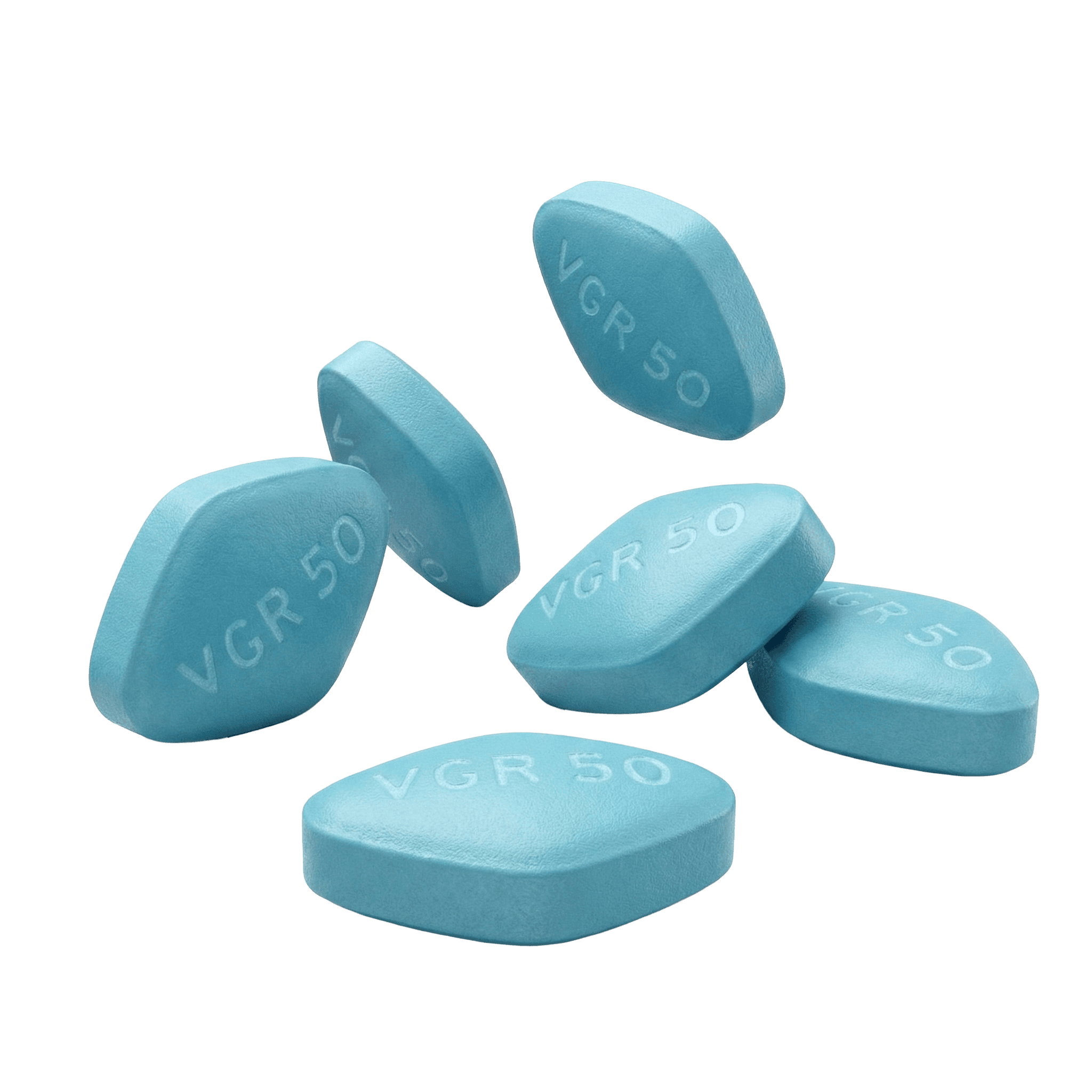
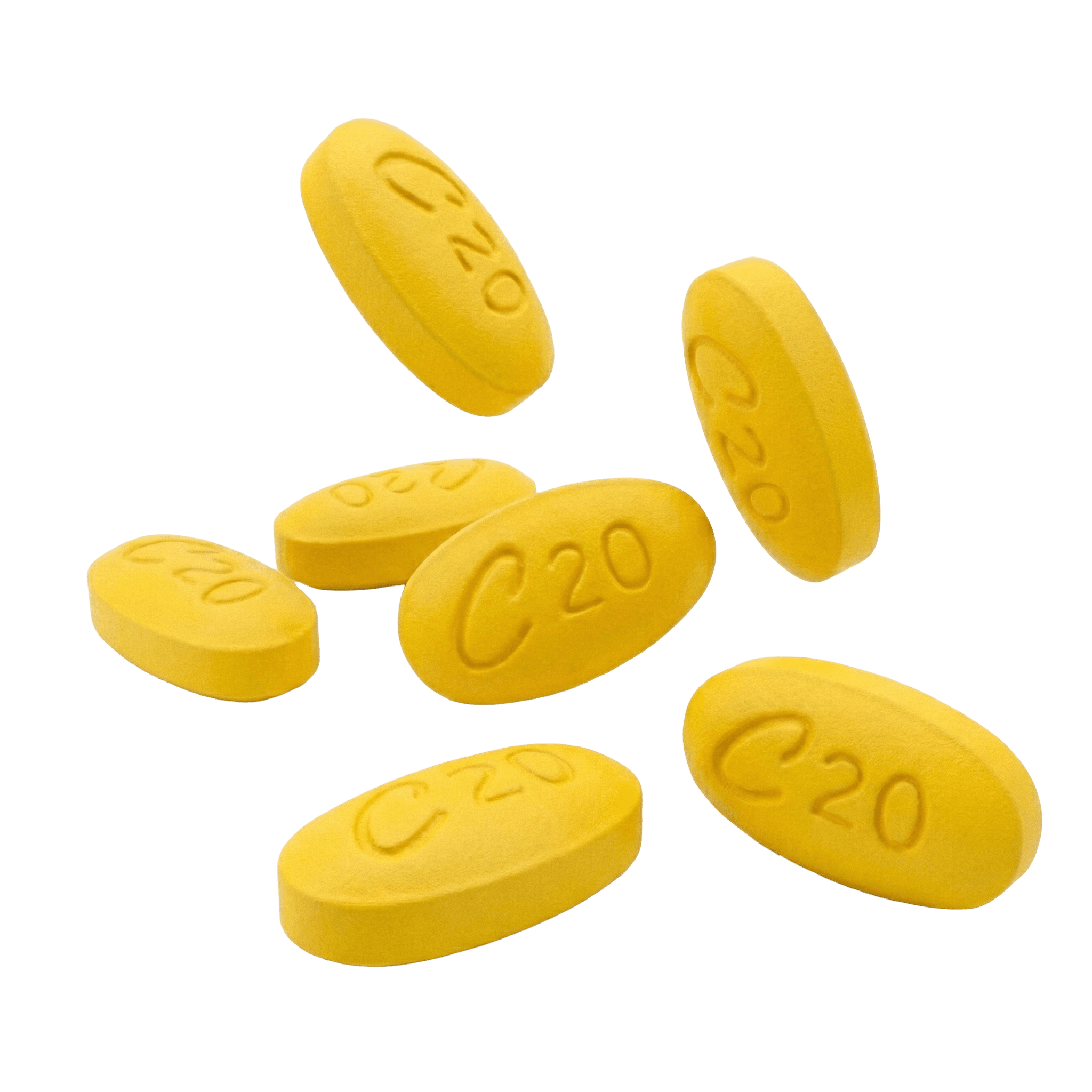
For many men, PDE5 inhibitors (sildenafil, tadalafil) are an effective, safe, and fast-acting option. These medications work by increasing blood flow to the penis when sexual stimulation occurs. They do not fix the underlying psychological cause, but they can restore confidence in sexual situations, which itself can break the performance anxiety cycle.
Sildenafil (the active ingredient in Viagra) is now available quite affordably. At Totiva, a GPhC-registered UK online pharmacy, sildenafil 50mg starts from £4.99 for four tablets, and tadalafil (which can be taken daily in a low dose or as-needed before sex) is also available. You can explore the erectile dysfunction treatments Totiva offers to get a clearer picture of what's available and at what cost.
These medications are prescription-only for good reason: they need to be assessed for suitability based on your health history and any other medications you take. But the process of getting that assessment does not need to be daunting or time-consuming.
Addressing Lifestyle Factors#
Alcohol is worth mentioning specifically. Heavy drinking both causes ED and worsens depression. It is a depressant that disrupts sleep, lowers testosterone, and impairs the nerve signals required for erection. Reducing alcohol intake often produces noticeable improvements in both mood and erectile function within weeks.
Sleep quality matters too. Poor sleep raises cortisol, lowers testosterone, and worsens mood. Men experiencing both ED and depression should look at sleep hygiene as part of any recovery plan.
Got questions? Speak to a pharmacist on WhatsApp now
Prefer to browse first? View treatments
When to Seek Help#
Many men wait far too long before speaking to anyone about ED or depression. The average time from first experiencing symptoms to seeking help for mental health problems in men is several years. For sexual health, the reluctance is often even greater.
You should see a GP if:
- ED has persisted for more than a few weeks and is affecting your relationship or quality of life
- You are experiencing low mood, loss of interest in things you normally enjoy, or feelings of hopelessness alongside ED
- You have noticed changes in erectile function after starting a new medication
- You are concerned about sexual side effects from an antidepressant
Your GP can carry out basic blood tests to rule out physical causes such as low testosterone, diabetes, or high blood pressure. They can also refer you to a urologist, psychosexual therapist, or mental health service depending on what seems most relevant.
If you would prefer not to discuss this face to face, or if you would like to explore treatment options privately while waiting for an NHS appointment, an online consultation is a practical alternative. Totiva's pharmacist-led consultations are free to complete, and you only pay if a prescription is approved. There are no awkward photos involved, and the process is genuinely discreet.
If you want to take that step, you can start a free ED consultation with Totiva and get a clinician's view on which treatment might be right for your situation.
A Note on Multiple Contributing Factors#
Something the single-cause articles rarely address: many men dealing with ED are not dealing with just one thing. A man in his early thirties might have mild depression, be taking an SSRI, watch pornography regularly, and drink more than he should. Each factor alone might be manageable. Together, they can compound in ways that feel overwhelming.
If that sounds familiar, the approach is the same: start somewhere. Addressing one contributing factor tends to create momentum. Reducing alcohol and improving sleep often improves mood, which reduces performance anxiety, which makes it easier to engage with therapy or feel motivated to exercise. The cycle can run in the positive direction too.
ED at any age is treatable. Depression is treatable. The two together are still treatable. The main barrier is usually the decision to seek help rather than anything about the conditions themselves.
Not sure which treatment is right for you?
Medical Information: This article is for informational purposes only and does not constitute medical advice. Always consult a qualified healthcare professional before starting, stopping, or changing any treatment.