Water Weight, Diuretics, and Weight Loss Pills: A UK Guide
From prescription diuretics to GLP-1 injections, here's what actually works for water retention and weight loss in the UK, and when to seek medical help.
Written and medically reviewed by:

Key Takeaways
Diuretics treat fluid retention (oedema) but don't burn fat. For weight loss, GLP-1 medications like semaglutide (Wegovy) and tirzepatide (Mounjaro) have the strongest evidence. Supplements rarely match the hype.
If you've typed "best pills for water weight loss" into a search engine, it's worth pausing on something important: water weight and body fat are two very different things, and the treatments for each are almost completely separate. Conflating them is one of the most common misconceptions in the weight loss space, and it can lead people toward medications that aren't right for them.
This guide covers both: what genuinely helps with water retention (oedema), and what the evidence says about medically supervised weight loss treatments like orlistat, semaglutide, and tirzepatide.
Water Weight vs Fat Loss: Why the Distinction Matters#
Water weight refers to excess fluid retained in your body's tissues. Fat loss refers to the reduction of stored adipose tissue. Diuretics reduce the former; they do nothing for the latter. Someone who drops 3kg in a week after starting a low-carb diet is mostly losing glycogen-bound water, not fat. Someone prescribed furosemide for ankle oedema is expelling excess fluid from their tissues, not burning calories.
Understanding this distinction matters because it shapes which treatments are appropriate. If you're looking to manage bloating or fluid retention, the conversation is about diuretics and lifestyle adjustments. If you're looking to lose body fat, that's a completely different clinical pathway involving diet, exercise, and in many cases, prescription medications like GLP-1 receptor agonists.
What Causes Water Retention?#
Oedema (the clinical term for abnormal fluid retention) is a symptom, not a diagnosis. Its causes range from entirely benign to medically significant, which is why persistent or worsening swelling always warrants proper assessment.
Common causes include:
- Hormonal fluctuations - particularly in the days before menstruation, when progesterone levels influence how the kidneys handle sodium and water
- High sodium intake - a diet heavy in processed foods encourages the kidneys to retain fluid
- Prolonged sitting or standing - gravity causes fluid to pool in the lower legs, which is why long-haul flights cause ankle swelling
- Certain medications - calcium channel blockers (often prescribed for blood pressure), corticosteroids, and NSAIDs like ibuprofen are well-known culprits
- Underlying conditions - heart failure, chronic kidney disease, liver cirrhosis, and venous insufficiency all cause clinically significant oedema
Oedema can also be classified as pitting or non-pitting. Pitting oedema (where pressing the skin leaves a temporary indentation) is typical of cardiac or renal causes. Non-pitting oedema can indicate lymphoedema, which has an entirely different management pathway and often requires referral to specialist services.
If you notice sudden, severe, or one-sided swelling, or swelling alongside breathlessness or chest pain, seek medical attention promptly. These can be signs of conditions like deep vein thrombosis or heart failure.
Prescription Diuretics Used in the UK#
In the UK, diuretics used to treat oedema are prescription-only medicines. They're not prescribed for cosmetic purposes or weight loss, but for clinically significant fluid retention with an identified cause.
The three main types used in UK clinical practice are:
Loop diuretics (e.g. furosemide): The most potent class, working by blocking sodium reabsorption in the loop of Henle in the kidney. Furosemide is commonly used in heart failure, renal impairment, and severe oedema. It acts quickly, usually within an hour of an oral dose, and can cause significant electrolyte disturbances if not monitored properly.
Thiazide-like diuretics (e.g. indapamide): Commonly used in hypertension management and mild fluid retention. Less potent than loop diuretics but often preferred for long-term use in appropriate patients.
Potassium-sparing diuretics (e.g. spironolactone): Spironolactone works differently from the above two. It blocks aldosterone receptors, reducing sodium retention without causing potassium loss. It's used in heart failure, liver cirrhosis with ascites, and sometimes in resistant hypertension. Unlike furosemide, it carries a risk of hyperkalaemia (elevated potassium) rather than hypokalaemia, which is an important distinction when considering drug interactions.
The difference between furosemide and spironolactone, a question many people search for, essentially comes down to mechanism and potassium balance. Furosemide is faster and more powerful but depletes potassium; spironolactone is slower and gentler but can raise potassium levels. They are sometimes combined precisely because their opposing effects on potassium can balance each other out.
Safety and Side Effects#
Diuretics are not without risks. Common side effects include:
- Electrolyte imbalances (particularly low potassium with furosemide), which can cause muscle cramps, fatigue, and in severe cases cardiac arrhythmias
- Dehydration and low blood pressure, especially in older adults
- Increased urination, which can be disruptive
- Elevated blood glucose and uric acid levels with some thiazide diuretics
Taking diuretics alongside blood pressure medications requires careful monitoring, as the combination can cause additive blood pressure lowering. Anyone already on antihypertensives should not add diuretics without medical review.
Over-the-Counter Options and Natural Diuretics#
Some herbal and OTC products are marketed as water retention remedies, including dandelion extract, green tea, and various herbal blends. The evidence base for these is modest at best. Dandelion has some small studies suggesting mild diuretic properties, but these are a long way from clinical trials demonstrating meaningful benefit for oedema.
If your water retention is mild and hormonal (for example, pre-menstrual bloating), some lifestyle adjustments often help more than any pill:
- Reducing salt intake below 6g per day
- Increasing potassium-rich foods (bananas, sweet potatoes, leafy greens)
- Regular movement, particularly walking or gentle exercise to improve venous return
- Elevating your legs when resting if you experience ankle swelling
- Staying well-hydrated, which counterintuitively helps prevent the body from hoarding fluid
For women experiencing cyclical water retention around their period, these measures alongside magnesium supplementation (which has some evidence for reducing PMS symptoms including bloating) are often worth trying before reaching for any medication.
What About Chia Seeds and Trendy Wellness Remedies?#
Chia seeds have attracted a lot of attention online, and chia seed water in particular has been promoted as a weight loss tool. The reality is nuanced. Chia seeds do absorb a significant amount of liquid, expanding in the stomach and potentially creating a sensation of fullness that can reduce appetite. They're also a good source of fibre, omega-3 fatty acids, and various minerals.
However, there are no clinical trials specifically examining chia seed water as a weight loss intervention. The existing evidence is based on chia seeds consumed in food (mixed into yoghurt, eggs, or baked goods), where modest reductions in appetite and some improvements in metabolic markers have been observed. Chia seeds are a useful, nutritious addition to a balanced diet. They are not a treatment for water retention, and they won't replicate what a prescription weight loss medication can achieve.
The same honest appraisal applies to green tea, apple cider vinegar, and most other supplements you'll find marketed for weight loss. Mild supportive effects in some studies, but not clinically meaningful on their own.
Got questions? Speak to a pharmacist on WhatsApp now
Prefer to browse first? View treatments
Prescription Weight Loss Medications: What Actually Works#
For people looking to lose body fat rather than fluid, the UK now has several well-evidenced prescription options. These work through fundamentally different mechanisms to diuretics and are indicated for adults with obesity or overweight with weight-related health conditions.
NICE eligibility criteria generally require a BMI of 30 or above, or 27 and above with at least one weight-related comorbidity such as type 2 diabetes, hypertension, or obstructive sleep apnoea.
Orlistat (Alli, Xenical): Works by inhibiting pancreatic lipase, reducing fat absorption in the gut by around 30%. Average weight loss in trials is around 5-7% of body weight, which is meaningful but modest compared to newer agents. It does not affect appetite. The most notable side effects are gastrointestinal: oily stools, faecal urgency, and flatulence, particularly if dietary fat intake remains high. Following a low-fat diet significantly reduces these effects.
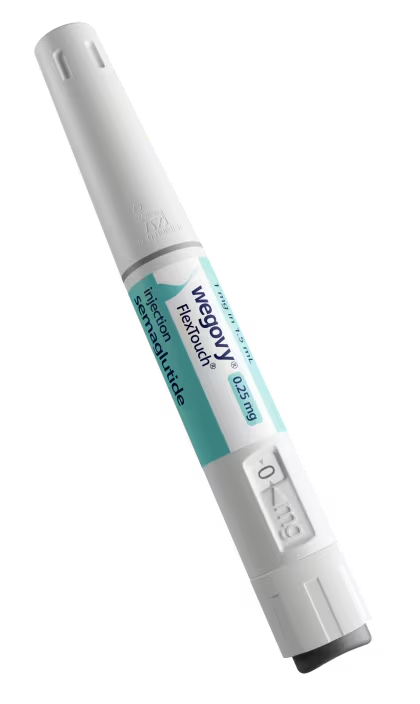
Semaglutide (Wegovy): A GLP-1 receptor agonist given as a weekly injection. It mimics a gut hormone that regulates appetite, slowing gastric emptying and reducing hunger signals in the brain. In the STEP 1 trial, participants lost an average of around 15% of body weight over 68 weeks. This is substantially more effective than orlistat. Side effects are primarily gastrointestinal (nausea, vomiting, diarrhoea) and are most pronounced during dose escalation.
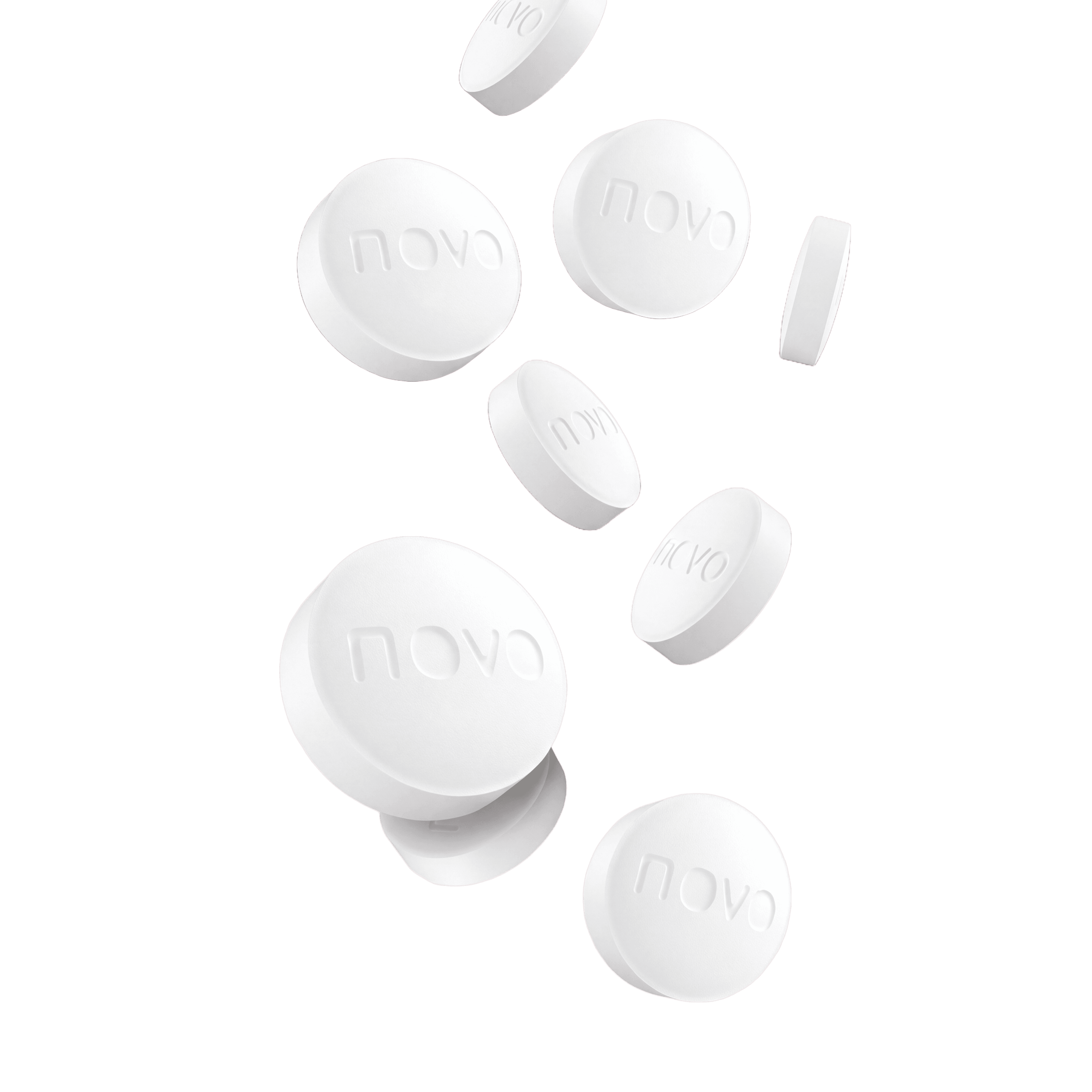
There is also now an oral version of semaglutide available as Wegovy tablets, which avoids the need for injections entirely. Starting at 1.5mg daily and titrating upward, the tablet form offers an alternative for those who prefer not to self-inject.
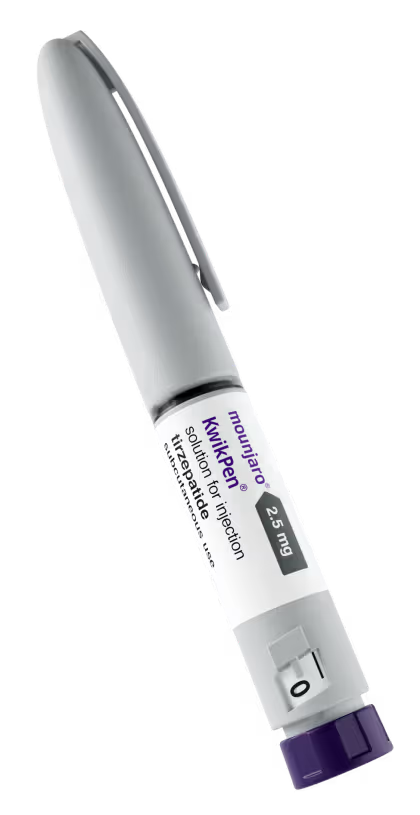
Tirzepatide (Mounjaro): A dual GIP and GLP-1 receptor agonist, making it the most effective pharmacological weight loss treatment currently available in the UK. The SURMOUNT-1 trial showed an average weight loss of up to 22.5% of body weight at the highest dose. It's given as a weekly injection. As with semaglutide, nausea is the most common side effect, typically improving after the initial escalation period.
For context on pricing, Totiva currently offers Mounjaro starting from £136.88 per injection pen at the 2.5mg starting dose, with higher doses priced accordingly. Wegovy injections start from £92.88, and the oral tablet option (Wegovy Tablets) starts from £99 for a 30-day supply.
These are not equivalent to diuretics or supplements. They are licensed medicines that require clinical assessment before prescribing.
Unregulated Weight Loss Supplements: A Clear Warning#
The weight loss supplement market in the UK operates in a very different regulatory space from licensed medicines. Products sold as food supplements do not require the same evidence of safety or efficacy before reaching shelves. The MHRA regularly issues warnings about products sold online that contain undisclosed prescription-only substances or stimulants.
If a supplement promises dramatic weight loss without lifestyle changes, that is a serious red flag. Anyone who suspects they've taken a product containing unlicensed or undisclosed ingredients can report it through the MHRA Yellow Card scheme.
Licensed medicines (orlistat, semaglutide, tirzepatide) have gone through rigorous clinical trial programmes and are approved by the MHRA. The evidence gap between a licensed GLP-1 medication and a herbal supplement marketed for "fat burning" is enormous.
NHS vs Private Prescription Routes#
Orlistat is available on NHS prescription and can also be purchased OTC as Alli (the lower 60mg dose) without a prescription. GLP-1 medications like Wegovy and Mounjaro are currently available through some NHS specialist weight management services, though access varies significantly across England, Scotland, Wales, and Northern Ireland, and waitlists can be lengthy.
For those who want to start treatment without waiting, UK online pharmacies registered with the GPhC (like Totiva) can provide pharmacist-led consultations and issue private prescriptions for eligible patients. The process typically involves a short consultation to assess your health history and suitability.
Totiva's weight loss consultations are free, and you only pay if treatment is approved and you choose to proceed. There's no subscription required. Weight loss treatments including GLP-1 medications do require an initial video call with a clinician before the first prescription can be issued, which is a regulatory requirement to ensure patient safety. You can explore options and start a consultation at Totiva's weight loss service.
Ready to see if treatment could work for you?
When to See Your GP#
For water retention specifically, it's worth seeing your GP if:
- Swelling is persistent (lasting more than a few weeks) or getting worse
- You notice swelling in only one leg or limb
- The swelling is accompanied by pain, warmth, or redness
- You have breathlessness, fatigue, or reduced exercise tolerance alongside swelling
- You're on medications that might be causing it and want a review
Your GP can order blood tests, a urine dipstick, and if needed an ECG or echocardiogram to rule out cardiac causes. Treating the underlying cause is always preferable to managing the symptom alone.
A Realistic Summary#
The honest answer to "what are the best pills for water weight loss" depends entirely on what you mean. For clinically significant fluid retention, prescription diuretics prescribed by a doctor are the most effective treatment, but they're not appropriate for cosmetic weight loss. For fat loss in people with obesity or overweight, GLP-1 receptor agonists (particularly tirzepatide and semaglutide) represent the most effective pharmacological options currently available in the UK. Supplements and herbal remedies occupy a distant third place in terms of evidence.
If you're unsure which category applies to you, that's exactly the kind of question a pharmacist or GP is well placed to help you answer. If you're interested in exploring prescription weight loss treatment, Totiva's pharmacist-led consultations are a straightforward starting point.
Medical Information: This article is for informational purposes only and does not constitute medical advice. Always consult a qualified healthcare professional before starting, stopping, or changing any treatment.