Cycling, Anxiety and Antibiotics: Three Surprising Causes of Erectile Dysfunction
Can cycling, stress, or a course of antibiotics really affect your erections? A UK pharmacist explains what the evidence actually says.
Written by:

Medically reviewed by Chris Armstrong, MPharm
Key Takeaways
Cycling rarely causes ED and may actually protect against it. Anxiety is a common and very real cause, especially in younger men. Antibiotics are unlikely culprits. All three are manageable with the right approach.
Erectile dysfunction is more common than most men realise. Around one in five men in the UK will experience it at some point, and the causes are rarely straightforward. Three questions come up repeatedly: does cycling cause ED? Can anxiety stop you getting an erection? And what about antibiotics? Each deserves a proper answer rather than a quick dismissal or unnecessary alarm.
Does Cycling Actually Cause Erectile Dysfunction?#
The short answer is: for most men, no. Large cohort studies comparing cyclists to runners and swimmers have not found a higher rate of erectile dysfunction in cyclists. Given that cycling is one of the best forms of cardiovascular exercise you can do, and cardiovascular health is closely tied to erectile function, regular cycling is far more likely to protect your erections than harm them.
That said, there is a plausible mechanism worth understanding. The perineum, the area between your scrotum and anus, sits directly on a conventional saddle when you cycle. Prolonged pressure in this area can compress the pudendal nerve and restrict blood flow to the penis. Both are important for normal erectile function. This is why some regular cyclists report temporary genital numbness during or after long rides, which is a genuine warning sign worth taking seriously.
The key phrase is "prolonged pressure". Occasional leisure cycling is very unlikely to cause any problems. The concern applies mainly to men riding several hours a day, frequently, on poorly fitted bikes with narrow or inappropriately shaped saddles.
What Actually Increases the Risk#
A few specific factors make cycling-related ED more likely:
- Saddle type: Narrow, nose-heavy saddles concentrate pressure on the perineum. Wider saddles with a central cutout distribute weight across the sit bones and reduce perineal compression significantly.
- Bike fit: A saddle tilted too far forward shifts weight onto the perineum. Getting a professional bike fit takes about an hour and can make a meaningful difference.
- Riding volume: Competitive cyclists riding 10 or more hours per week are at higher theoretical risk than someone cycling to work three times a week.
- Riding position: An aggressive forward lean increases perineal pressure compared to a more upright position.
For context, most UK cycling, whether commuting, leisure rides, or weekend sportives, does not involve the kind of sustained pressure that poses a real risk. E-bikes and turbo trainers (indoor cycling platforms) tend to allow a more upright position and shorter riding sessions, which means they carry even less concern.
Practical Steps for Cyclists#
If you cycle regularly and have noticed genital numbness or any change in sexual function, the first thing to do is look at your saddle. Swap a narrow racing saddle for one with a central groove or cutout. Check that your saddle is level or very slightly nose-down rather than tilted forward. Stand on the pedals occasionally during long rides to give the perineum a break.
If numbness or erectile difficulties persist despite these changes, it is worth speaking to a doctor. Symptoms that keep returning after you have addressed equipment issues could indicate something beyond simple compression, and it is always worth ruling out other causes.
Can Anxiety Cause Erectile Dysfunction?#
Yes, and this is one of the most common causes of ED in younger men. Understanding why requires a brief look at how erections actually work.
An erection depends on blood flowing into the penis and staying there. That process is controlled by the parasympathetic nervous system, the part of your nervous system that governs rest, digestion, and sexual arousal. Anxiety activates the opposite: the sympathetic nervous system, responsible for the fight-or-flight response.
When anxiety kicks in, your body prioritises survival. Heart rate increases, blood is redirected to the muscles, and non-essential functions are deprioritised. Sexual arousal, from your nervous system's point of view, is non-essential in a threat situation. The result is reduced blood flow to the penis and significantly greater difficulty achieving or maintaining an erection.
This is not a character flaw or a sign that something is permanently wrong. It is your body doing exactly what it evolved to do, just at a very inconvenient moment.
Performance Anxiety Specifically#
Performance anxiety deserves its own mention because it is so common and so poorly understood. It is the fear that you will not be able to perform sexually, that you will not satisfy your partner, or that a previous difficult experience will repeat itself.
The cruel irony is that worrying about getting an erection makes it harder to get one. A single episode of difficulty (which can happen to any man for any number of reasons, including tiredness, alcohol, or stress) triggers anxiety about the next time. That anxiety then causes the very problem it feared. This cycle can become entrenched quickly.
Performance anxiety is a main factor in sexual dysfunction in men across multiple studies and can affect men of any age. It is particularly prevalent in men under 35, who are statistically less likely to have physical causes but more likely to be affected by psychological ones.
Breaking the Cycle#
The most evidence-based approach for anxiety-related ED is cognitive behavioural therapy (CBT). NICE recommends CBT for generalised anxiety disorder, and it has a strong track record in addressing the thought patterns that underpin performance anxiety. The NHS Talking Therapies service (formerly IAPT) provides free CBT in England, and referral can be self-directed or through a GP.
Mindfulness-based approaches have also shown benefit. Shifting attention away from performance and towards sensory experience during intimacy can reduce the monitoring behaviour that fuels anxiety.
For some men, a short course of an ED medication like sildenafil or tadalafil can provide a useful confidence bridge while addressing the psychological root cause. Breaking the failure cycle even once can help reset the pattern. This is not a permanent solution on its own, but it is a legitimate tool when used thoughtfully alongside psychological support.
If you are curious about whether medication might help in your situation, the Totiva ED service offers pharmacist-led online consultations at no upfront cost. You only pay if a prescription is approved and you choose to proceed.
Not sure which treatment is right for you?
Can Antibiotics Cause Erectile Dysfunction?#
This question comes up a lot, and the honest answer is that the evidence is weak. There is no well-established direct causal link between taking a standard course of antibiotics and developing erectile dysfunction.
Antibiotics work by targeting bacteria, either killing them directly or preventing them from reproducing. They are not designed to interact with vascular function, hormone levels, or the neurological pathways involved in erections. For the vast majority of men, a course of amoxicillin for a chest infection or flucloxacillin for a skin infection will have no effect on sexual function whatsoever.
Where the Confusion Comes From#
There are a few reasons this question persists.
First, men who are unwell enough to need antibiotics are often unwell in ways that genuinely do affect libido and sexual function. Fever, fatigue, pain, and the stress of being ill all suppress desire and physical performance. The antibiotics get the blame, but the illness itself is usually responsible.
Second, some antibiotics can cause side effects that indirectly affect how you feel, including nausea, disrupted sleep, or gastrointestinal upset. None of these are conducive to feeling sexually motivated.
Third, there is emerging (though early) research around gut microbiome disruption and its potential downstream effects on hormone production, including testosterone. Broad-spectrum antibiotics can significantly alter gut bacteria. Whether this has any meaningful effect on erectile function in practice remains unclear, and current evidence does not support it as a clinically significant pathway.
Finally, there is one interesting exception. Research has found that treating chronic bacterial prostatitis with antibiotics can actually improve sexual function in some men, because the underlying infection was the cause of the dysfunction in the first place. This is an area where antibiotics help rather than hinder.
Named Antibiotics and Relative Risk#
No commonly prescribed UK antibiotic, including penicillins (amoxicillin, flucloxacillin), macrolides (azithromycin, clarithromycin), tetracyclines (doxycycline), or nitrofurantoin, appears in clinical literature as a reliable cause of erectile dysfunction at standard doses.
Metronidazole is sometimes flagged because it interacts with alcohol and can cause nausea, which could affect a sexual encounter. But again, this is an indirect effect rather than a direct action on erectile tissue.
If you have noticed ED during or after a course of antibiotics, it is more likely related to the illness, the stress of being unwell, or coincidental timing than to the medication itself. That said, if it persists well after you have recovered, it is worth investigating further rather than assuming it will resolve on its own.
When Multiple Causes Overlap#
One thing the individual articles on this topic often miss is that these causes rarely exist in isolation. A keen cyclist who picks up a urinary tract infection and takes antibiotics while also feeling stressed about a work deadline is dealing with three potential contributing factors simultaneously. Untangling them matters.
In practice, the approach is the same regardless: address what you can control (saddle fit, stress management, recovering from illness), give yourself time, and seek help if things do not improve. Persistent ED lasting more than a few weeks consistently, even in otherwise healthy men, warrants a conversation with a clinician. It can occasionally be the first visible sign of cardiovascular disease, diabetes, or hormonal imbalance, conditions that are very treatable when caught early.
The NHS recommends that men with ED have their blood pressure, blood glucose, and cholesterol checked as part of initial assessment. A GP can do this, or an online pharmacist-led service can identify whether treatment is appropriate and whether further investigation is needed.
Treatment Options in the UK#
If ED persists regardless of the cause, effective treatments are available. The most commonly prescribed are PDE5 inhibitors, a class of medication that increases blood flow to the penis by relaxing the smooth muscle in penile arteries.
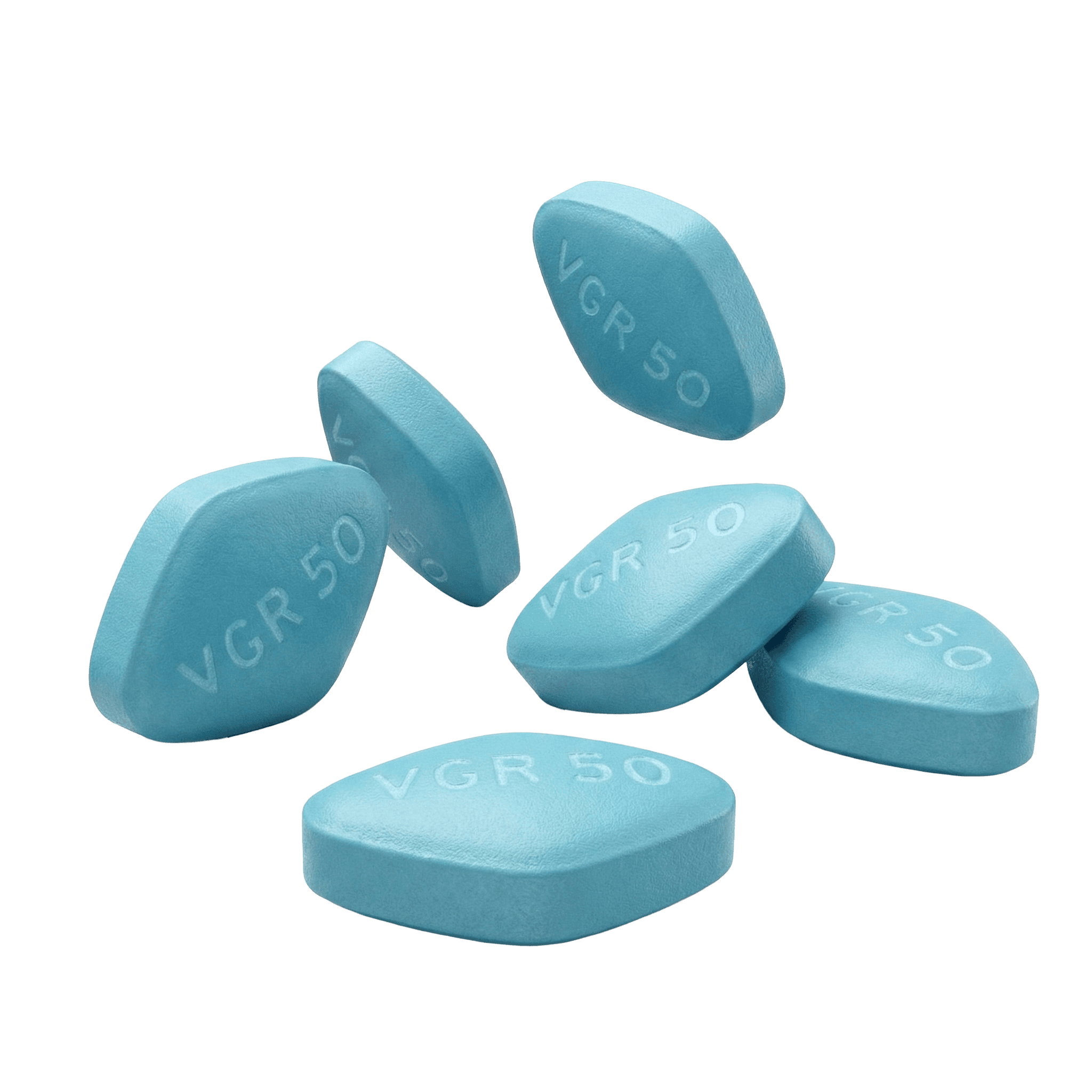
- Sildenafil (the generic form of Viagra) is typically taken 30 to 60 minutes before sexual activity and works for four to six hours. It is the most widely prescribed ED medication in the UK and is available at a low cost.
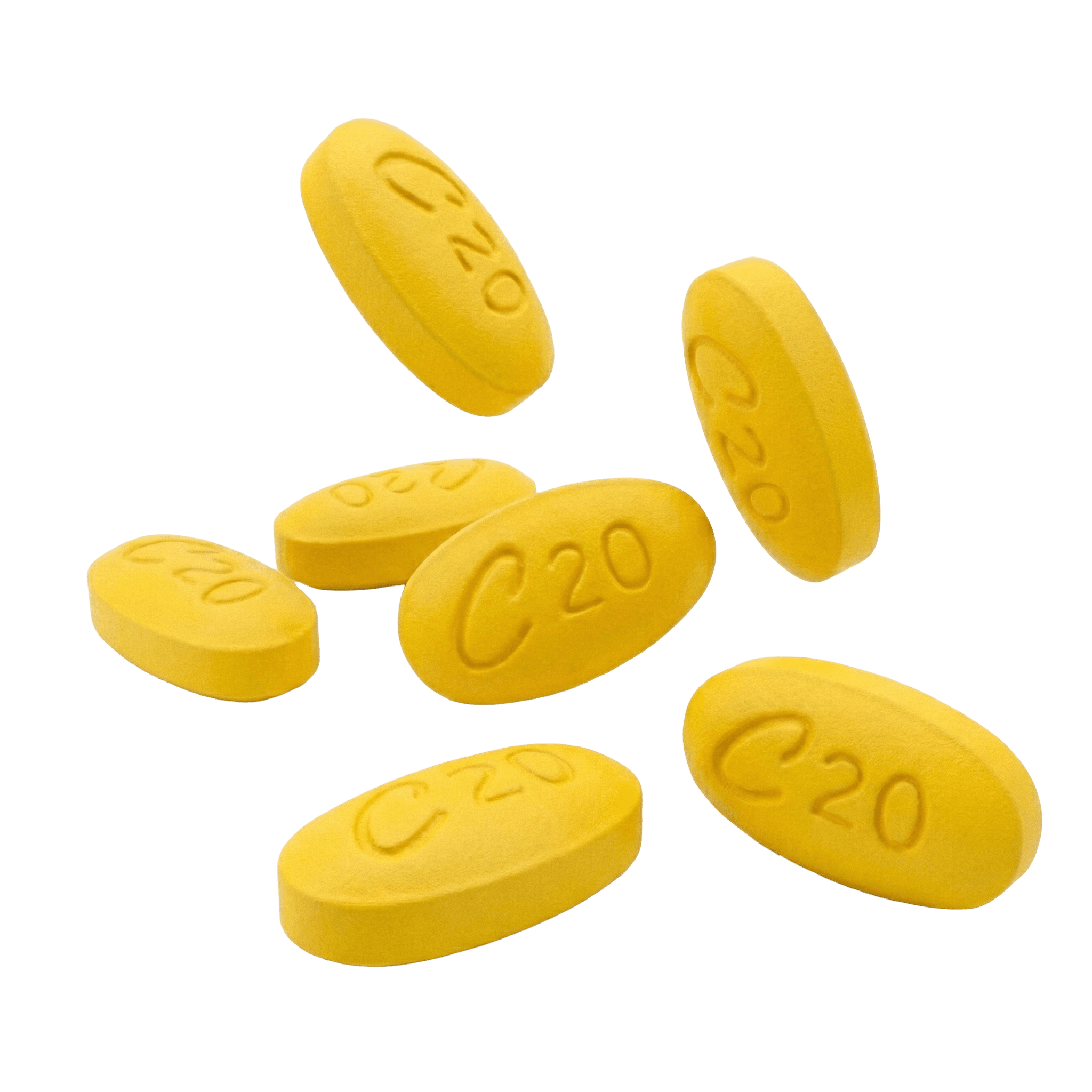
- Tadalafil comes in two formats: as-needed doses (10mg or 20mg) that work for up to 36 hours, or a daily low dose (2.5mg or 5mg) that provides continuous background support without needing to time a tablet.
- Viagra Connect and Cialis Together are branded over-the-counter versions of sildenafil and tadalafil respectively, available without prescription at pharmacies.
At Totiva, sildenafil starts from £4.99 for four 50mg tablets, and daily tadalafil starts from £9.99 for 28 tablets. The consultation is free, and you only pay if treatment is approved and you decide to go ahead.
If you would like to explore whether medication is appropriate for you, you can start a free consultation with Totiva. The process is discreet, straightforward, and conducted by UK-registered pharmacists.
Got questions? Speak to a pharmacist on WhatsApp now
Prefer to browse first? View treatments
A Note on Younger Men#
ED in men under 30 is more common than the statistics traditionally suggested, partly because younger men are now more likely to seek help and discuss it openly. In this age group, psychological causes, including performance anxiety, stress, and porn-induced ED, account for a higher proportion of cases than physical ones. That does not make them less real or less treatable. It just means that addressing the psychological dimension is often the most important first step.
If you are under 30 and experiencing ED, you are not unusual, and there is plenty that can be done about it.
The Bottom Line#
Cycling is not the enemy of your sex life, and neither, in most cases, are a course of antibiotics. Anxiety is a genuinely significant cause of ED, particularly in younger men, and deserves to be taken seriously rather than dismissed as "just in your head". All three of these factors can contribute, sometimes together, and all three have practical solutions.
The most important thing is not to ignore persistent problems. ED that keeps happening is your body telling you something, and finding out what that something is puts you in a much better position to do something about it.
Not sure which treatment is right for you?
Medical Information: This article is for informational purposes only and does not constitute medical advice. Always consult a qualified healthcare professional before starting, stopping, or changing any treatment.