Magnesium L-Threonate for Hair Loss: Does the Evidence Stack Up?
Magnesium L-threonate is marketed for brain health, but can it help with hair loss? A UK pharmacist looks at what the evidence actually shows.
Written and medically reviewed by:

Key Takeaways
No clinical evidence supports magnesium L-threonate for hair loss. It was designed for brain health, not scalp health. For hair thinning, ferritin, vitamin D, finasteride, and minoxidil have far stronger evidence behind them.
The short answer#
No clinical evidence supports magnesium L-threonate as a hair loss treatment. It was developed to cross the blood-brain barrier and is sold in the UK as a food supplement for cognitive health. Any link to hair growth is theoretical, based on magnesium's general role in the body, not on studies of this specific form in people with hair loss.
Why magnesium gets mentioned alongside hair loss#
Magnesium is involved in over 300 processes in the body, including protein synthesis and the production of keratin, the structural protein hair is made from. Low magnesium can also disrupt the hair growth cycle. Some research has theorised that calcium deposits around the follicle may build up when magnesium is low, which could contribute to shedding, though this remains contested and is not reflected in current NICE or NHS guidance.
This is where the link comes from. But there is a gap between "magnesium deficiency can affect hair" and "taking magnesium L-threonate will improve your hair." Those are two very different claims.
The type of hair loss most plausibly connected to nutritional shortfalls is telogen effluvium (stress-related shedding), where the follicle temporarily stops growing and hairs fall out in larger numbers than usual. Correcting a genuine deficiency may help. But there is no published trial showing magnesium L-threonate specifically prevents or reverses any form of alopecia.
Is L-threonate any better than other forms?#
Magnesium L-threonate combines magnesium with threonic acid, a metabolite of vitamin C. The threonate molecule was designed to carry magnesium into brain tissue more efficiently. That property is useful if you want higher magnesium levels in the central nervous system. For hair follicles, which sit in the scalp rather than inside the brain, it offers no obvious advantage.
Cheaper forms such as magnesium glycinate or citrate are absorbed well in the gut and raise serum magnesium levels effectively. If correcting a magnesium shortfall is the goal for hair health, those forms would do the same job at a fraction of the cost. Magnesium L-threonate capsules in UK pharmacies and health shops typically cost two to three times more than standard magnesium supplements.
In the UK, magnesium L-threonate is regulated as a food supplement, not a medicine. The MHRA does not assess it for efficacy or safety the way it would a licensed treatment.
What actually has stronger evidence for hair loss#
For most people noticing hair thinning, the micronutrients most supported by clinical evidence are ferritin (stored iron) and vitamin D. Low ferritin is a well-recognised trigger for telogen effluvium, and NHS blood tests can check both. If levels are low, your GP can advise on correction before you spend money on supplements.
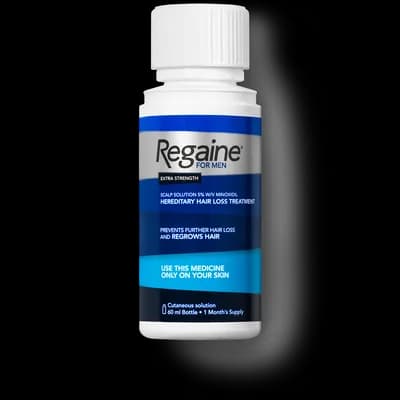
For androgenetic alopecia (male pattern baldness), the treatments with the strongest clinical evidence are finasteride tablets and minoxidil applied to the scalp. Regaine, a topical minoxidil solution, is one option: Totiva stocks it at £33.60 for 60 ml and £79.99 for 180 ml. Finasteride 1 mg tablets are available from £14.99 for 28 tablets. These treatments work on the hormonal and physiological drivers of pattern hair loss in a way that no magnesium supplement comes close to matching. Totiva's hair loss service is for men aged 18 and over.
For a detailed breakdown of how these treatments compare, see Finasteride vs Minoxidil for Hair Loss: Which Works Better?.
Got questions? Speak to a pharmacist on WhatsApp now
Prefer to browse first? View treatments
Dosage and safety#
Published studies on magnesium L-threonate typically use around 2 g per day. The elemental magnesium delivered at this dose varies by product and manufacturer, so check the label of any specific supplement for the actual elemental magnesium content. The UK reference nutrient intake is 300 mg per day for men and 270 mg for women, and most products at study doses are designed to stay within normal ranges for healthy adults.
If your diet already covers that intake through foods such as dark leafy greens, nuts, and seeds, a supplement is unlikely to change anything for your hair. Food sources carry no supplement cost and are a reasonable first step before reaching for capsules.
Anyone with kidney disease should speak to their GP or pharmacist before taking any supplemental magnesium, not just high doses. Impaired kidneys cannot clear excess magnesium efficiently, which raises the risk of toxicity regardless of the form taken. Magnesium supplements can also interact with some antibiotics and bisphosphonates, so check with a pharmacist if you take other medicines.
Medical Information: This article is for informational purposes only and does not constitute medical advice. Always consult a qualified healthcare professional before starting, stopping, or changing any treatment.