










Wegovy Diarrhoea: How Long It Lasts and What Helps
Diarrhoea affects about 3 in 10 people on Wegovy, usually around dose increases. Here is how long it lasts, what eases it and which symptoms need a call.


Key Takeaways
About 3 in 10 people on Wegovy get diarrhoea, usually mild and often after a dose increase. It mostly settles in days to weeks. Drink plenty, eat small bland meals and check with a pharmacist.
Yes, Wegovy can cause diarrhoea. In the main trial about 3 in 10 people on the full dose had it. It is usually mild to moderate, tends to flare after a dose increase and mostly settles within days to a few weeks. The UK product information lists it as a very common side effect, meaning it affects more than 1 in 10 people.
How common is it, and when does it settle?#
In the STEP 1 trial, 31.5% of people taking Wegovy 2.4 mg had diarrhoea, compared with 15.8% on placebo. Nausea (44.2%), vomiting (24.8%) and constipation (23.4%) were also more common than on placebo.
Most of these gut effects were mild to moderate and short-lived. They clustered during the 16-week step-up in dose and became less frequent once people were on a steady dose. There is no fixed number of days that applies to everyone. If it is lasting more than a week, or getting worse, tell your prescriber.
Why Wegovy upsets your bowels#
Semaglutide copies a gut hormone called GLP-1. It slows how fast food leaves your stomach, which is part of why you feel full sooner. It also affects how the gut works more widely.
The exact reason some people get diarrhoea and others get constipation is not fully understood. Some people get both, one after the other. Some people notice that large, greasy or sugary meals seem to bring it on, so keeping a note of your triggers can help.
Struggling with GLP-1 side effects?
Message a GPhC-registered pharmacist on WhatsApp. A real person replies.
The dose steps#
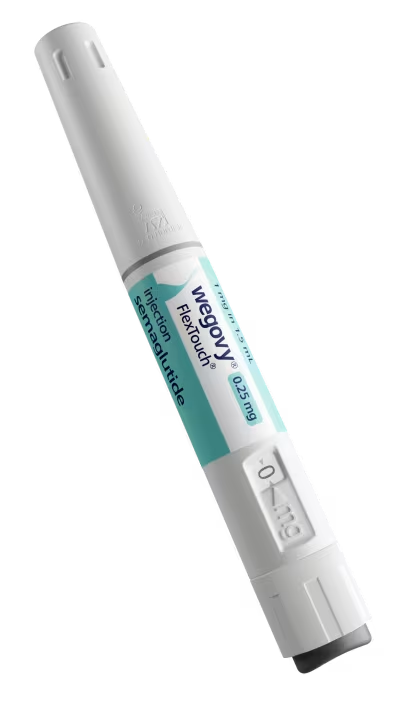
Wegovy starts low and goes up every 4 weeks, if you tolerate it.
| Weekly dose | Weeks | Step |
|---|---|---|
| 0.25 mg | 1 to 4 | Starting dose |
| 0.5 mg | 5 to 8 | First increase |
| 1 mg | 9 to 12 | Second increase |
| 1.7 mg | 13 to 16 | Third increase |
| 2.4 mg | 17 onwards | Maintenance dose |
In the trial, gut side effects were most common during this step-up and became less frequent on a steady dose. How you respond at each step varies from person to person, and the trial data do not predict which step will affect you most.
If a dose step is hitting you hard, your prescriber may keep you on the current dose for longer. That is their decision. Please do not skip, stop or change a dose yourself.
What to eat and drink#
Fluids matter most, because diarrhoea drains water and salts. Sip steadily through the day rather than gulping a lot at once. Water, diluted squash, clear broth and oral rehydration solution all count.
For food, a few changes help many people:
- Eat smaller meals, slowly, and stop when you feel full.
- Cut back on fried and fatty food while things are unsettled.
- Check labels for sugar alcohols such as sorbitol and xylitol, found in sugar-free sweets and gum. They loosen stools.
- Go easy on alcohol, strong coffee and very spicy food.
- Try cutting out milk for a few days if dairy seems to trigger it.
Bland food such as rice, bananas, toast, plain potato and porridge is easier on your gut for a day or two. Soluble fibre (oats, bananas, peeled apple) can firm up stools. Return to your normal balanced, protein-rich eating once things settle, so you do not under-eat.
A simple example day: porridge made with water and a banana, then rice with plain chicken and cooked carrots, then a small bowl of soup with toast. Sip fluids between meals.
It can help to note what you ate, your dose day and how many loose stools you had. That pattern is useful to show a pharmacist or prescriber.
Medicines for diarrhoea#
Loperamide (Imodium) slows the gut and is sold over the counter for adults with short-term diarrhoea. Follow the pack: usually 2 capsules (4 mg) to start, then 1 after each loose stool. Do not take more than 6 capsules (12 mg) in 24 hours. Stop after 2 days if you are not better.
Do not use loperamide if:
- there is blood in your stool or you have a fever
- you are having a flare of ulcerative colitis
- you may have colitis after a course of antibiotics
- you have recently travelled abroad, or the diarrhoea may be caused by an infection
Speak to a pharmacist or GP instead in these cases. Ask a pharmacist first if you are unsure.
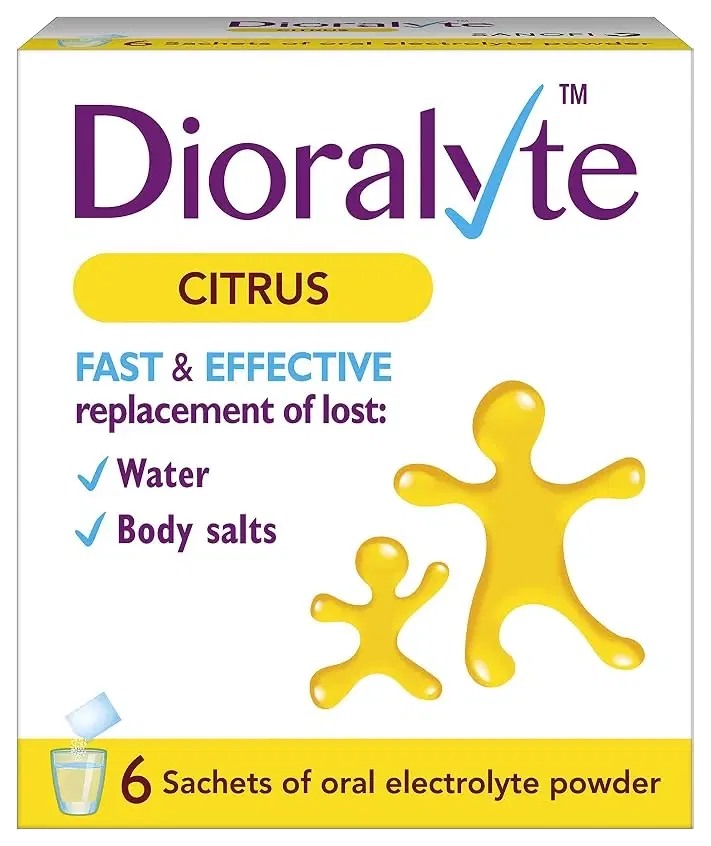
Oral rehydration salts replace the fluid and salts you lose. They are worth having if diarrhoea is frequent or you are not eating much.
Side effect relief we supply



Heartburn, indigestion and sulphur burps
Weight loss treatments we prescribe
Treating it from the pharmacy#
Totiva has a side-effect support service open to anyone on a GLP-1, including people who get their pen elsewhere. A Totiva pharmacist checks the right option for you with a short questionnaire. For diarrhoea, we supply Imodium Classic 2 mg (12 capsules, £6.99) and Dioralyte rehydration sachets (6 sachets, £5.99). The consultation is free and you only pay once treatment is approved.
The contraceptive pill and your other medicines#
Diarrhoea can stop tablets being absorbed. The Faculty of Sexual and Reproductive Health advises that very severe diarrhoea (6 to 8 watery stools in 24 hours) lasting 24 hours or more can make both the combined pill and the progestogen-only pill unreliable. Treat it like missed pills and use condoms in the meantime. Check the pill packet leaflet or ask a pharmacist what to do.
Wegovy has its own advice on pregnancy. Its product information says it is not recommended in pregnancy, and that women who could become pregnant should use contraception while taking it. Tell your prescriber if you become pregnant or are planning a pregnancy.
Dehydration can also strain your kidneys. Some medicines carry extra risks when you are losing a lot of fluid, and your GP or pharmacist may have given you "sick day" advice for them. Ask a pharmacist or GP what to do on days when you are losing a lot of fluid if you take any of the following:
- a water tablet (diuretic)
- an ACE inhibitor (such as ramipril) or an angiotensin receptor blocker, or ARB (such as losartan)
- an SGLT2 inhibitor (such as dapagliflozin), which can also raise the risk of ketoacidosis when you are dehydrated or unwell
- metformin
- anti-inflammatory painkillers such as ibuprofen
Do not stop any of these on your own without advice, but do ask promptly.
Symptoms that need a call today#
Most diarrhoea on Wegovy is a nuisance rather than a danger. Get advice promptly if you have any of these:
- You cannot keep fluids down, or you have been vomiting repeatedly.
- Signs of dehydration: very dark urine or hardly passing any, a dry mouth, dizziness, a fast heartbeat or unusual tiredness.
- Severe stomach pain, especially pain that spreads to your back, which can be a sign of pancreatitis.
- Yellow skin or eyes, or pain in the upper right of your tummy, which can point to a gallbladder problem.
- Blood in your stool, black stools or a fever.
- Diarrhoea lasting more than a week.
Call NHS 111 or your GP surgery for most of these, or use out-of-hours services. Call 999 if you collapse, are confused, or have severe constant pain.
For more on what to expect at each stage, see our dose-by-dose side effect timeline. If diarrhoea is making treatment hard, our GLP-1 side effect support service can help you find a suitable option.

Is Imodium Classic right for you?
From£6.99
Answer a few quick questions and a pharmacist will check which product suits you. Open to anyone on a GLP-1, wherever you get it.
- GPhC-registered pharmacists
- Free online consultation
- Discreet, tracked delivery
Frequently asked questions
- 1
Wilding JPH et al. (2021). Once-Weekly Semaglutide in Adults with Overweight or Obesity (STEP 1). New England Journal of Medicine
- 2
European Medicines Agency (2024). Wegovy. EMA
View source - 3
NHS (2023). Diarrhoea and vomiting. NHS website
View source - 4
Faculty of Sexual and Reproductive Healthcare (2019). Combined Hormonal Contraception: clinical guideline. FSRH
Medical Information: This article is for informational purposes only and does not constitute medical advice. Always consult a qualified healthcare professional before starting, stopping, or changing any treatment.


