

Minoxidil Side Effects: Sexual Health, Common Reactions, and What to Expect
Worried about minoxidil side effects, especially sexual ones? A UK pharmacist explains what the evidence actually says and what to watch for.


Key Takeaways
Minoxidil does not cause sexual side effects in clinical trials and is not a hormonal treatment. Common reactions include scalp irritation and temporary shedding in the first few weeks. Oral minoxidil carries more systemic risks than topical, and is prescribed off-label in the UK.
If you've started minoxidil for hair loss and found yourself wondering whether it could affect your sex life, you're not alone. It's one of the most common questions men have before or shortly after starting treatment. The short answer is reassuring: minoxidil has not been linked to sexual side effects in clinical trials, and it works very differently from the other main hair loss medication, finasteride, which does carry that risk for some men.
Here's a thorough look at what the evidence says about minoxidil's side effects, including the sexual health question, what is actually common, and when you should speak to someone.
How Minoxidil Works (and Why It's Different from Finasteride)#
Understanding why minoxidil is unlikely to cause sexual side effects starts with understanding what it actually does. Minoxidil is a vasodilator. It widens blood vessels, which increases blood flow and oxygen delivery to your hair follicles. This helps push follicles from a resting phase back into active growth.
Critically, minoxidil does not alter your hormone levels. It has no meaningful effect on testosterone, DHT, or any other sex hormone. This is the key distinction from finasteride, which works by blocking the enzyme that converts testosterone into DHT (dihydrotestosterone). DHT is the main driver of male pattern baldness, but because finasteride interferes with hormonal pathways, it carries a recognised risk of sexual side effects in a small percentage of men.
Minoxidil simply does not work that way. It is not a hormonal treatment.
Does Minoxidil Cause Erectile Dysfunction?#
This is the question most men want answered directly. Based on current clinical evidence, minoxidil is not considered a cause of erectile dysfunction.
A 2016 review of reports submitted to the FDA Adverse Event Reporting System found eight reports of sexual side effects among 92 cases of men using minoxidil. These included ejaculation disorders and reduced seminal volume. While that figure sounds concerning at first glance, it is important to put it in context. Adverse event reporting systems capture all reported events, not just those proven to be caused by the medication. Many of these men may also have been taking finasteride simultaneously, which is frequently combined with minoxidil for hair loss treatment.
A more recent 2022 analysis published in PubMed Central, examining medications most commonly associated with erectile dysfunction using the FDA pharmacovigilance database, did not identify topical minoxidil as a significant contributor to ED reports.
If you are experiencing erectile dysfunction and are using both minoxidil and finasteride together, finasteride is the more likely culprit. Sexual side effects including reduced libido, difficulty achieving or maintaining an erection, and ejaculatory changes affect a small but real proportion of men taking finasteride. These usually resolve after stopping the medication, though in rare cases (referred to as post-finasteride syndrome) they may persist.
If you're concerned about ED separately from hair loss treatment, Totiva's erectile dysfunction service offers pharmacist-led consultations for men in the UK.
Common Side Effects of Minoxidil#
While sexual side effects are not a significant concern with minoxidil, there are other reactions worth knowing about. Most are mild and localised to the scalp, particularly with topical formulations.
Scalp Irritation and Dermatitis#
This is the most frequently reported side effect. Some men notice redness, itching, dryness, or flaking at the application site. In many cases, this is caused not by the minoxidil itself but by propylene glycol, a carrier ingredient used in many topical solutions to help the active compound absorb into the skin. Foam formulations often use different carriers and may suit men with more sensitive scalps.
If scalp irritation is persistent or severe, it is worth flagging with your prescribing pharmacist or GP rather than simply stopping treatment.
Temporary Shedding#
This catches a lot of men off guard, and it causes unnecessary panic. In the first four to eight weeks of using minoxidil, you may notice an increase in hair shedding. This does not mean the treatment is failing. Minoxidil accelerates the hair cycle, pushing older hairs out to make way for new growth. Shedding at this stage is a normal part of how the medication works, not a sign that things are getting worse.
New growth typically becomes visible from around three to six months. Consistency is essential; stopping early because of initial shedding is one of the most common reasons men do not see results from minoxidil.
Unwanted Hair Growth (Hypertrichosis)#
Because minoxidil stimulates hair growth, it can occasionally cause increased hair in areas beyond the scalp, particularly if the solution is not fully absorbed before touching the face. Washing your hands thoroughly after applying topical minoxidil and keeping it away from the forehead reduces this risk considerably.
Headaches#
Headaches are relatively common, affecting roughly one in ten people using minoxidil. This relates to the vasodilatory mechanism: widening blood vessels can cause changes in blood pressure that some people notice as a headache, particularly in the early weeks.
Free 2-minute hair loss assessment
Tell us about your hair loss and a pharmacist will recommend the treatment most likely to work for you.
Topical vs Oral Minoxidil: Side Effect Differences#
This is an area where men often have limited information, and it is worth being specific about.
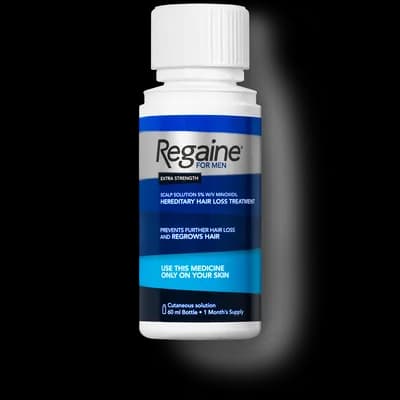
Topical minoxidil (such as Regaine, available through Totiva's hair loss service) acts locally at the scalp. Because only a small amount is absorbed into the bloodstream, systemic side effects are uncommon. The main concerns are localised: scalp irritation, itching, and contact dermatitis.
Oral minoxidil is a different matter. Originally licensed as a treatment for severe hypertension, low-dose oral minoxidil is now being used off-label in the UK for hair loss (typically at doses of 1.25mg to 2.5mg daily, considerably lower than the doses used for blood pressure). Because it enters the bloodstream, it can cause more systemic effects:
- Fluid retention, particularly around the ankles
- A drop in blood pressure, which can cause lightheadedness or dizziness when standing
- Increased heart rate (tachycardia)
- In rare cases, a condition called pericardial effusion (fluid around the heart), which is more associated with higher doses
It is important to understand that oral minoxidil for hair loss is prescribed off-label in the UK. Unlike topical minoxidil, which has a product licence for androgenetic alopecia, the tablets do not have a specific hair loss indication from the MHRA. This does not mean they are unsafe, but it does mean they should only be prescribed by a clinician who can assess your cardiovascular history and monitor you appropriately.
If you are on blood pressure medication, ACE inhibitors, or other antihypertensives, oral minoxidil can interact with these and cause an additive blood pressure lowering effect. This is a conversation to have explicitly with your prescriber before starting.
A Side-by-Side Comparison#
| Side Effect | Topical Minoxidil | Oral Minoxidil |
|---|---|---|
| Scalp irritation | Common | Uncommon |
| Headache | Possible | Possible |
| Fluid retention | Rare | More likely |
| Dizziness / low BP | Rare | More likely |
| Increased heart rate | Rare | Possible |
| Unwanted hair growth | Possible (localised) | More widespread |
| Sexual side effects | Not reported in trials | Not reported in trials |
What the Side Effect Timeline Actually Looks Like#
One thing competitors rarely address is what to expect as your treatment progresses. Here is a realistic week-by-week picture for topical minoxidil:
Weeks 1 to 4: Some men notice mild scalp irritation or a dull headache as their body adjusts. These often settle on their own.
Weeks 4 to 8: Initial shedding may peak during this period. This is normal and temporary. It can look alarming but is a sign the hair cycle is being reset.
Months 3 to 4: Shedding settles. Some men begin to notice fine vellus hairs (soft, thin regrowth) appearing in areas of thinning.
Months 6 to 12: Visible thickening or regrowth in responsive follicles. Clinical studies typically use 12-month endpoints to assess efficacy.
Beyond 12 months: Side effects do not tend to worsen with long-term use. The main risk of stopping is that any hair regained or preserved can be lost again, as minoxidil does not address the underlying cause of hair loss.
Minoxidil and the MHRA Yellow Card Scheme#
If you are using minoxidil and experience a side effect that worries you, or one that does not appear in the patient information leaflet, you can report it through the MHRA Yellow Card scheme (available at yellowcard.mhra.gov.uk). This is the UK's official system for reporting suspected adverse reactions to medicines, and it genuinely helps regulators monitor the safety of treatments in real-world use.
This is worth knowing because a lot of online advice simply says "talk to your GP." That is good advice, but the Yellow Card scheme is an additional, UK-specific resource that allows any patient, not just clinicians, to submit a report directly.
Hair loss treatments we prescribe
The gold-standard hair loss combo
What to Do If You Experience Side Effects#
For most mild side effects such as scalp irritation or initial shedding, the sensible first step is to give it a bit more time and keep an eye on whether things are improving. Switching from a solution to a foam formulation can help with scalp sensitivity.
Stop using minoxidil and speak to a clinician promptly if you notice:
- Chest pain or an irregular heartbeat
- Significant swelling in your hands, feet, or ankles
- Sudden unexplained weight gain
- Difficulty breathing
- Severe dizziness or fainting
These symptoms are rare, particularly with topical use, but they signal that minoxidil may be affecting your cardiovascular system and should be investigated.
For anything less acute, your prescribing pharmacist is usually the right first port of call. They can help you assess whether what you are experiencing is a typical early reaction or something worth investigating further.
How Minoxidil Fits into UK Hair Loss Treatment#
Topical minoxidil is one of only two treatments with a clear evidence base for male pattern baldness, the other being finasteride. The NHS does not routinely prescribe either on the NHS for androgenetic alopecia, which is why private routes, including pharmacist-led online services, have grown significantly in the UK.
Many men find that combining both treatments gives better results than either alone. Finasteride works upstream by reducing DHT production, while minoxidil works locally to stimulate follicle activity. They target different mechanisms, which is why the combination can be more effective.
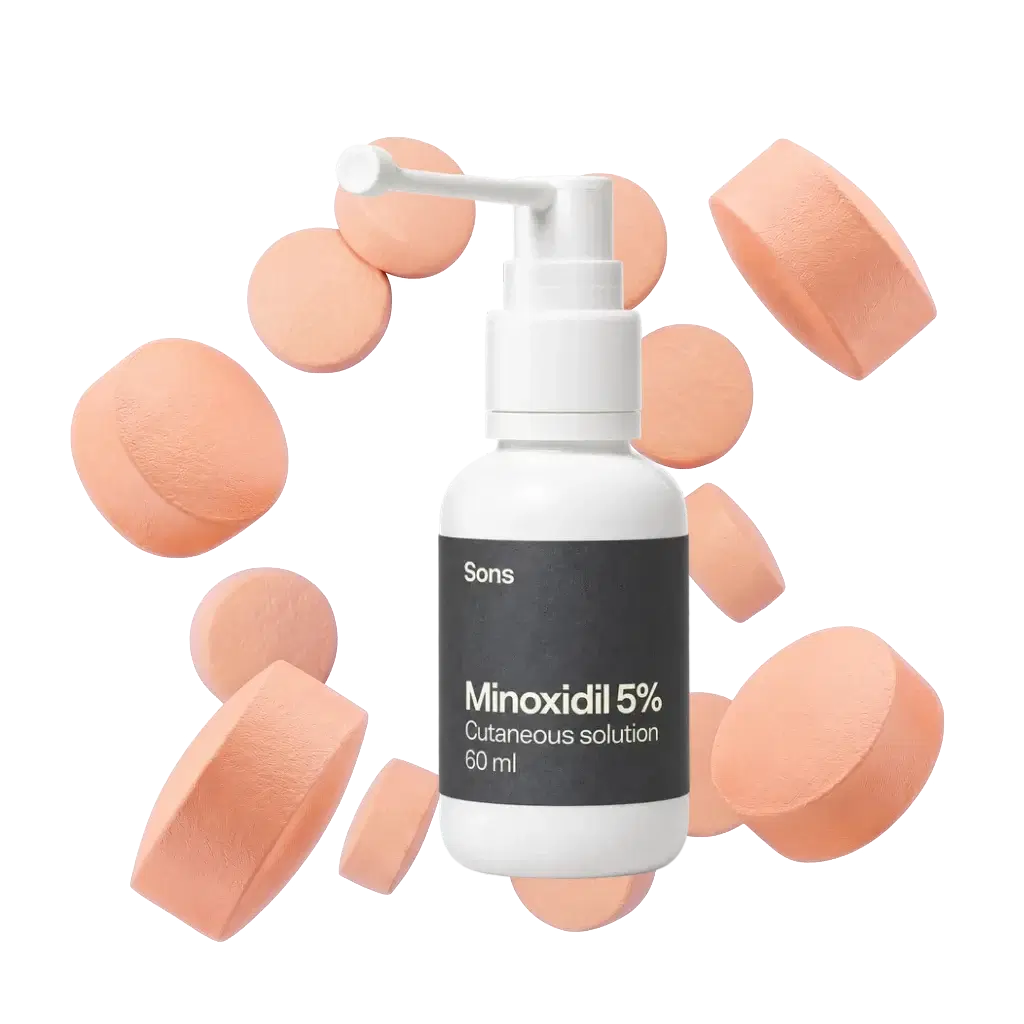
Totiva offers a hair loss consultation for men aged 18 and over, including both minoxidil (Regaine) and finasteride, as well as a combined option. The consultation is free, and you only pay if a treatment is approved as suitable for you. Regaine Liquid Solution is available from £33.60 for 60ml, and finasteride tablets from £9.49 for 28 tablets.
A Note on Who Minoxidil Is and Is Not For#
It is worth being clear that Totiva's hair loss service is for men only. Women experiencing hair loss should speak to their GP in the first instance, as the licensed options and dosing differ, and female hair loss has a broader range of underlying causes that warrant proper investigation.
If you are a man who has been putting off addressing hair loss because you were worried about side effects, particularly sexual side effects, the evidence should offer some reassurance. Minoxidil's profile is well-established, and serious reactions are genuinely uncommon, particularly with topical use.
If you would like to explore your options, starting a free consultation with Totiva takes a few minutes and means a UK clinician reviews your history before anything is prescribed.
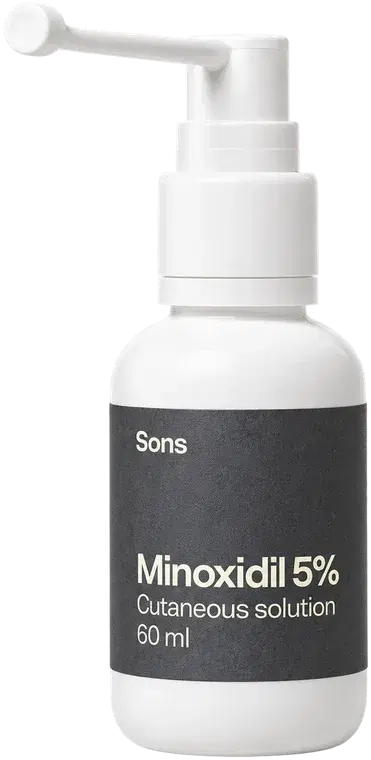
Is Minoxidil 5% right for you?
From£19.99
A short online consultation is all it takes. A pharmacist reviews your answers, and you only pay if you're approved.
- GPhC-registered pharmacists
- Free online consultation
- Discreet, tracked delivery
Frequently asked questions
- 1
Patel P et al. (2023). Minoxidil - StatPearls. StatPearls, National Center for Biotechnology Information
View source - 2
Suchonwanit P et al. (2019). Minoxidil and its use in hair disorders: a review. Drug Design, Development and Therapy
View source - 3
Randolph M et al. (2020). Oral minoxidil treatment for hair loss: A review of efficacy and safety. Journal of the American Academy of Dermatology
View source - 4
Vano-Galvan S et al. (2021). Safety of low-dose oral minoxidil for hair loss: A multicenter study of 1404 patients. Journal of the American Academy of Dermatology
View source - 5
Kaplan-Marans E et al. (2022). Medications Most Commonly Associated With Erectile Dysfunction: Evaluation of the Food and Drug Administration National Pharmacovigilance Database. Sexual Medicine
View source - 6
Ho CH et al. (2022). Androgenetic Alopecia - StatPearls. StatPearls, National Center for Biotechnology Information
View source - 7
Wu M et al. (2016). Differences in reproductive toxicology between alopecia drugs: an analysis on adverse events among female and male cases. Oncotarget
View source - 8
Chen L et al. (2019). The efficacy and safety of finasteride combined with topical minoxidil for androgenetic alopecia: A systematic review and meta-analysis. Journal of the American Academy of Dermatology
- 9
MHRA (2023). Yellow Card | Making medicines and medical devices safer. Medicines and Healthcare products Regulatory Agency
View source - 10
NHS (2023). Hair loss. NHS Website
View source - 11
BNF (2024). Minoxidil | Drugs | BNF. British National Formulary, NICE
View source - 12
Zito PM et al. (2024). Finasteride - StatPearls. StatPearls, National Center for Biotechnology Information
View source
Medical Information: This article is for informational purposes only and does not constitute medical advice. Always consult a qualified healthcare professional before starting, stopping, or changing any treatment.