



What Is a Toupee, and Does It Treat Hair Loss?
A toupee is a small hairpiece that covers thinning hair on the crown. Here is how it stays on, what it costs in the UK, and how it compares with medication.


Key Takeaways
A toupee is a small hairpiece that covers thinning hair on the crown. It hides hair loss but does not treat it. Finasteride and minoxidil can slow loss and take 3 to 6 months to work.
A toupee is a small hairpiece, made from human or synthetic hair, that covers a thinning or bald patch on the top or crown of the head. It hides hair loss. It does not treat it. The hair underneath carries on thinning at the same rate, so a toupee is a cosmetic choice rather than a medical one.
Toupee, topper, hair system or wig?#
These words overlap, which is confusing. "Toupee" is the older term (it comes from the French toupet, meaning a tuft of hair). Today you will usually see "topper", "hairpiece" or "hair system" in shops and salons.
A wig covers the whole head. A toupee or topper covers only the affected area and blends into the hair you still have. That blending is the whole point, and it is why a toupee suits men with thinning at the crown but plenty of hair at the sides.
What it is made from#
The hair can be human or synthetic. Human hair looks and moves more naturally, and you can style it with heat. Synthetic hair costs less but looks shinier and wears out faster.
The hair is fixed to a thin base, often lace. Swiss lace is finer and less visible but more delicate. French lace is sturdier and often easier for a first-timer. Good fit depends on matching the colour, the density (how thick it looks) and the shape of your bald area, which is why custom pieces cost more than ready-made ones.
Free 2-minute hair loss assessment
Tell us about your hair loss and a pharmacist will recommend the treatment most likely to work for you.
How a toupee stays on#
There are four main ways. Wear times below are typical, and your skin type, sweat and the weather all change them.
| Method | Typical wear before removal | Main skin risk |
|---|---|---|
| Double-sided tape | 1 to 3 weeks | Irritation, tape residue |
| Liquid adhesive or glue | 3 to 6 weeks | Allergic rash, folliculitis |
| Clips | Taken off daily | Traction alopecia (hair loss from pulling) |
| Bonding (semi-permanent) | 3 to 6 weeks | Scalp irritation, harder to clean under |
Damp UK weather, sweaty workouts and swimming all weaken adhesive. Some men take the piece off at night. Others wear it for weeks and have it re-fitted at a salon.
What it costs in the UK#
Prices vary a lot between suppliers, so treat these as rough ranges. A ready-made synthetic topper can cost around £50 to £250. A custom human hair system often starts at £400 and can pass £1,500.
The running costs matter more than the first price. Synthetic pieces may last 3 to 6 months. Human hair pieces often last 6 to 12 months. You also pay for adhesive, cleaning products and salon visits.
| Option | Typical cost | Does it stop hair loss? |
|---|---|---|
| Toupee or hair system | £100 to £1,500+ a year | No |
| Finasteride 1mg (Totiva, 84 tablets, £26.99, 12 weeks' supply) | About £117 a year | Yes, for most men |
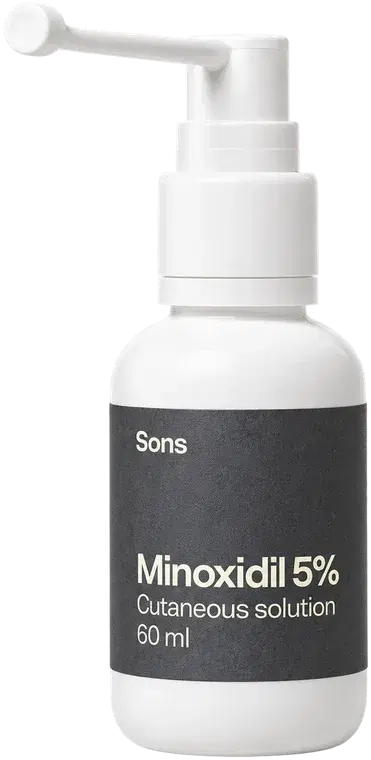
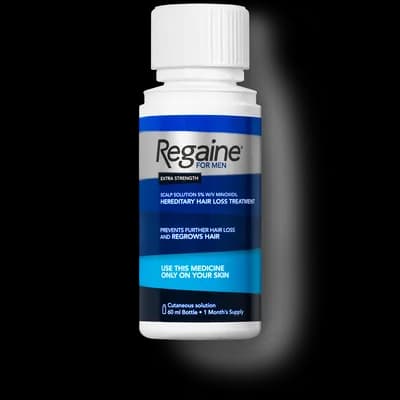
| Minoxidil liquid, Regaine brand (supplied by Totiva, 180ml, £59.99, about 12 weeks' supply) | About £260 a year | Slows loss and can regrow hair |
| Hair transplant (UK clinic) | Often several thousand pounds, one-off | Moves hair, does not stop further loss |
The yearly medicine figures are the pack price multiplied by about 4.3 packs (52 weeks divided by 12 weeks per pack) and rounded.
If you consider a transplant, check that the clinic is registered with the right regulator for where it is based. In England, that is the Care Quality Commission (CQC), and you should also check that a GMC-registered doctor is involved. In Scotland, Wales and Northern Ireland, different bodies inspect and regulate clinics (Healthcare Improvement Scotland, Healthcare Inspectorate Wales and the Regulation and Quality Improvement Authority), so check with the one that applies. Cheap overseas packages can go wrong, and aftercare is hard to arrange from abroad.
Looking after one#
A toupee needs regular care. Wash it with products made for hair systems, not your normal shampoo, and let it dry fully. Brush gently and avoid hot tools on synthetic hair.
You can usually swim and exercise in a well-fixed piece, but chlorine, salt water and sweat shorten its life. Sleeping in one is possible with some bonded systems. It can still irritate your scalp, so give your skin a break when you can.
Hair loss treatments we prescribe
The gold-standard hair loss combo
Risks to your scalp and hair#
Adhesives can cause contact dermatitis, which looks like a red, itchy, sore scalp. Blocked or infected hair follicles (folliculitis) can show up as small spots or pus-filled bumps. Clips or tight bonding that pull on your own hair for months can cause traction alopecia, which can become permanent if the pulling goes on long enough.
Stop wearing the piece and speak to a pharmacist or GP if your scalp is painful, weeping or crusted, or if you notice new bald patches where it attaches. Clean the area before you re-fit anything.
Check the cause before you choose#
Most gradual thinning at the crown is male pattern hair loss, which is driven by a hormone called DHT. But hair loss can also come from other causes, such as thyroid problems, low iron, stress, or patchy conditions like alopecia areata. Sudden, patchy or very rapid loss, or a sore or scaly scalp, should be checked rather than covered up. Our guide to the early signs of male pattern baldness explains what to look for.
On the NHS, treatment for male pattern hair loss is generally not offered. A GP can look for underlying causes. NHS wigs are available for medical hair loss, for example after chemotherapy or with alopecia areata, through hospital services. Charges differ across the UK. Wigs are free in Scotland and Wales. In England, prescription charges and exemptions apply. Arrangements in Northern Ireland can differ, so ask your hospital team.
Medicines as an alternative or an addition#
You do not have to choose between a toupee and treatment. Some men use both while medicine takes effect, because it takes 3 to 6 months to see a difference.
Finasteride is a once-daily tablet that lowers DHT. In a two-year trial of 1mg daily, most men kept their hair or regrew some (Kaufman et al., 1998). It is prescription-only in the UK, for men. The MHRA warns about possible sexual side effects and mood changes, including low mood and, rarely, suicidal thoughts. Stop it and seek advice if you notice these. You should also receive a patient alert card. Our guide to finasteride side effects goes through them.
Minoxidil is a liquid or foam you apply to the scalp. It can be bought without a prescription from a pharmacy. It can cause scalp irritation and, sometimes, extra hair growth on the face. It only works while you keep using it. See our comparison of finasteride vs minoxidil for how they differ.
Minoxidil is not suitable for everyone:
- Under 18s: it is not intended for people under 18.
- Women and the 5% strength: check that the product is licensed for you. The 5% strength is usually sold for men, and women should ask a pharmacist which product is appropriate.
- Heart or blood pressure problems: speak to a pharmacist or GP before using it, because some minoxidil can be absorbed into the body.
- Broken, sore or irritated scalp: do not apply it to skin that is damaged or inflamed.
Always follow the patient information leaflet. Stop using it and get medical advice promptly if you develop chest pain, a fast or irregular heartbeat, dizziness or fainting, swelling of the hands or feet, or a severe scalp reaction. Speak to a pharmacist or GP if irritation or unwanted facial hair does not settle.
Other options include shorter haircuts, camouflage fibres and scalp micropigmentation (a tattoo-style technique). These hide hair loss rather than treat it. Our guide to haircuts for thinning hair is a low-cost place to start.
Hair loss can be upsetting, and wanting to cover it is a perfectly reasonable response. If it is affecting your mood or confidence, talk to your GP. Charities such as Alopecia UK and Changing Faces offer support.
If you want to find out whether medication is suitable, you can start with a free online consultation on Totiva's hair loss service page. A UK clinician reviews your answers and you only pay if treatment is approved.
Is Finasteride right for you?
From£9.49
A short online consultation is all it takes. A pharmacist reviews your answers, and you only pay if you're approved.
- GPhC-registered pharmacists
- Free online consultation
- Discreet, tracked delivery
Frequently asked questions
- 1
NICE CKS (2024). Alopecia - androgenetic. NICE Clinical Knowledge Summaries
- 2
NHS (2023). Hair loss. NHS Website
View source - 3
MHRA (2023). Finasteride: reminder of the risk of psychiatric side effects and of sexual side effects. Drug Safety Update
- 4
Kaufman KD et al. (1998). Finasteride in the treatment of men with androgenetic alopecia. Finasteride Male Pattern Hair Loss Study Group. Journal of the American Academy of Dermatology
View source - 5
Badri T et al. (2021). Minoxidil. StatPearls
Medical Information: This article is for informational purposes only and does not constitute medical advice. Always consult a qualified healthcare professional before starting, stopping, or changing any treatment.


